Razer Introduces the Light-Up Razer Card
It looks like every tech company is obsessed with making credit cards. First, Apple’s making one, then Google followed, and then Samsung hopped on the train. Now, Razer is joining the fun with the new Razer Card. The Razer Card is a Visa prepaid card that also lights up. The Razer Card In a press [...]
The post Razer Introduces the Light-Up Razer Card first appeared on Tekrati and is written by Irene Hawkins
]]>Razer Introduces the Light-Up Razer Card
It looks like every tech company is obsessed with making credit cards. First, Apple’s making one, then Google followed, and then Samsung hopped on the train. Now, Razer is joining the fun with the new Razer Card. The Razer Card is a Visa prepaid card that also lights up.
The Razer Card
In a press statement, Razer said it wants to appeal to the younger generation with the light-up Razer Card. With the Razer Card, the company aims to give customers a “unique gamified rewards experience.” Gizmodo adds that the Razer Card works similarly to a typical rewards program. You buy stuff and do tasks, and you redeem credit card rewards.
The Card should work with Razer Pay. If you buy stuff with the Razer Card, you’ll get 1% cashback every time. If you buy things at the RazerStore, or you buy Gold items, you’ll get 5% cashback.
How Do I Get the Razer Card?
If you want the Razer Card, you could choose the e-wallet version, the standard black card, or the premium card. More importantly, it’s the premium card that lights up when you pay.
However, you can only get the Razer Card in Singapore. The company also hasn’t said whether it wants to export the card to other countries. For now, if you’re in Singapore, you’ll have to hope that you belong to the lucky 1,337 users who can use the beta version of the card.
Do I Need the Razer Card?
Razer says that you only need to be 16 years old to use the card. So, maybe it’s good that the Razer Card is prepaid.
The post Razer Introduces the Light-Up Razer Card first appeared on Tekrati and is written by Irene Hawkins
]]>
Razer Exposes Personal Info of Over 100,000 Users
Razer is facing a security disaster, as the company revealed the personal data of more than 100,000 gamers. The company had gathered this data for nearly a month. Razer’s Security Disaster A report from security researcher Volodymyr Diachenko appeared on LinkedIn. His report said that a server mishap exposed the data to public search engines. [...]
The post Razer Exposes Personal Info of Over 100,000 Users first appeared on Tekrati and is written by Irene Hawkins
]]>Razer Exposes Personal Info of Over 100,000 Users
Razer is facing a security disaster, as the company revealed the personal data of more than 100,000 gamers. The company had gathered this data for nearly a month.
Razer’s Security Disaster
A report from security researcher Volodymyr Diachenko appeared on LinkedIn. His report said that a server mishap exposed the data to public search engines. In the story, he guesses that over 100,000 emails got exposed.
Razer accidentally leaked the personal information for over 100,000 gamers, report says https://t.co/4To35w1hOT pic.twitter.com/VMt5MhheXg
— The Verge (@verge) September 15, 2020
Which Data Got Leaked?
The Verge also shared a redacted photo from the report. In the photo, you can see customers’ order records, email and mailing addresses, products ordered, and phone numbers.
Razer’s Response
In response, Razer said that the server mishap did happen. However, the company took three weeks before they admitted to it.
Razer also said that the leak included personal data like full names, phone numbers, and shipping addresses. However, the company said that the leak didn’t include payment information. They had also fixed the error on September 9.
Moreover, Razer said that affected consumers could reach out to the company at DPO@razer.com.
Just because your credit card info didn’t get leaked, it doesn’t mean that you’re 100% safe. Attackers can use your email address to start phishing. With your email address, they can get your account passwords or payment details.
The post Razer Exposes Personal Info of Over 100,000 Users first appeared on Tekrati and is written by Irene Hawkins
]]>
Game on Your Phone with The Razer Kishi Gamepad
Streaming games on your phone is now becoming more popular than ever especially with Razer’s Kishi. Google Stadia and Microsoft’s Project xCloud allow you to ditch your console to play the games you love. But you will need a reliable internet connection and a handy gamepad to start your mobile gaming journey. Check out how [...]
The post Game on Your Phone with The Razer Kishi Gamepad first appeared on Tekrati and is written by Sam Arnold
]]>Game on Your Phone with The Razer Kishi Gamepad
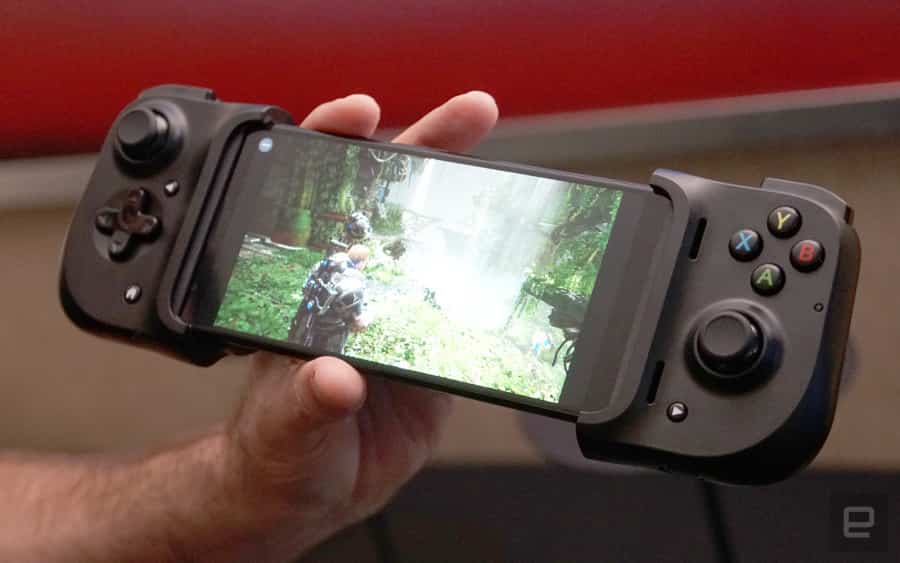
Streaming games on your phone is now becoming more popular than ever especially with Razer’s Kishi. Google Stadia and Microsoft’s Project xCloud allow you to ditch your console to play the games you love. But you will need a reliable internet connection and a handy gamepad to start your mobile gaming journey.
Check out how the Razer gamepad fills your mobile gaming needs below.
The Razer Kishi Gamepad
The Razer Kishi is a telescopic gamepad for iOS and Android. To use it, just plug the gamepad to your phone through USB-C or Lightning cables. Lag or connection issues are a thing of the past since you don’t connect via Bluetooth. Moreover, charge your phone while gaming by slipping your cord into the Kishi’s pass-through port.
The Razer Kishi is the smartphone gamepad I've been waiting for https://t.co/LitIZ62GoB pic.twitter.com/IhXes2UHs1
— Gizmodo (@Gizmodo) July 30, 2020
The Razer Kishi Gamepad’s Weight Class
You’ll feel, though, that the gamepad is heavy. At 10.5 inches by 3.5 inches by 1.6 inches, the Kishi is even thicker than the Nintendo Switch. While playing, the buttons and thumbsticks are responsive, without any dead zones. Your hands might feel a little cramped after playing for a few hours straight, though.
What Games You Can Play on the Razer Kishi Gamepad
The good news is that you can play most games with the Kishi gamepad. You can play most mobile game ports and games on streaming. Gizmodo says that you can “play most console games made before 2000 or after 2013.” You can even stream games like Red Dead Redemption 2 from your Xbox One or PS4 at home.
You will have to shell out $80 for the Kishi, though. It’s more expensive than the other gamepads available. But then, a sturdy and reliable gamepad might be worth the extra charge.
The post Game on Your Phone with The Razer Kishi Gamepad first appeared on Tekrati and is written by Sam Arnold
]]>