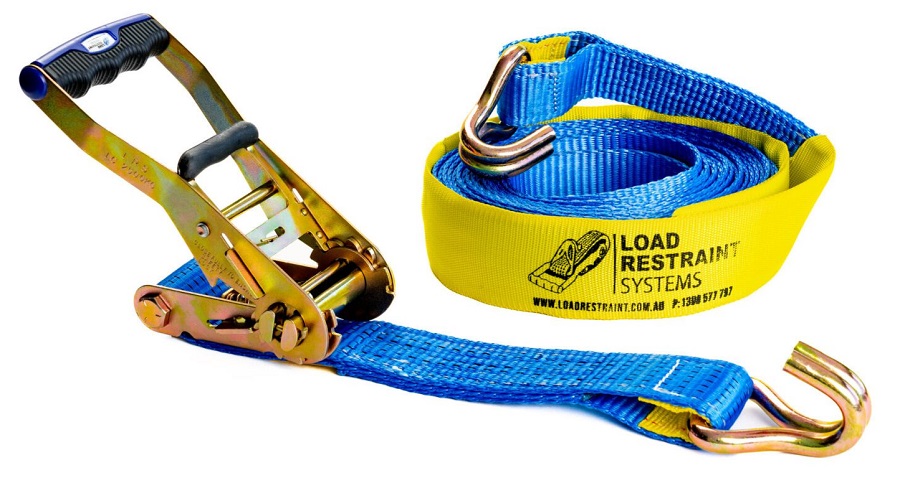
Rachet tie-down straps can be used to secure the smallest or the largest items to a trailer, truck or utility vehicle. With this in mind, you’ll want to use straps that are not only durable but still in good working order. We’ve compiled a list of the top tips inspection tips to consider before use.
1. Check the Load Limit
The number one aspect that you check for when inspecting your ratchet straps is the load limit. This is essential because different straps can hold varying weights, and opting for a light strap for a heavy load can leave your cargo at risk.
You can check the labels on your straps to ensure that they are suitable for the job. Experts recommend using the strongest possible straps. Keep in mind that the general rule in logistics is to use a minimum of two straps per load. This will keep your load safe if one strap accidentally snaps.
2. Assess the Colour of the Strap
Ratchet straps come in a wide range of colours, and there’s no specific meaning associated with any particular colour. However, you will need to check how faded the strap is. Since most straps are used to haul cargo, they spend a considerable amount of time in the sun and elements. Fading is an indication that the straps have been in the sun and elements for a considerable time and will need extra inspection for signs of further wear and tear.
3. Look Out for Worn Stitching
One of the most obvious signs that a strap may no longer be suitable for use is worn stitching or torn material. This usually happens as a result of excessive usage, exposure to elements, or even chemical spills that occur if you’ve previously moved chemical containers.
Straps with worn stitching, small holes, or other indications of damage will render the straps unusable. They shouldn’t be used for tying down cargo, no matter how lightweight.
4. Check the Buckle
The ratcheting mechanism, or buckle, can also become worn during regular exposure to the sun, rain, and wind. Metal can easily become corroded and should be assessed before use. Fortunately, the metal components can be bought separately if you don’t need to replace the whole strap. You will just need to ensure that you are opting for a buckle that matches the weight capacity of the strap.
5. Don’t Ignore Mould
If you’re regularly using your ratchet straps, you may have already used them in rain or snow. When this happens, the straps become wet and, if not dried out before storage, can create mould and mildew. You’ll see this as staining on the strap, which will make the material weak and more prone to tearing.
Avoid this by washing your straps and drying them in the sun before storage. It’s a good idea to store them in an airtight container where they can’t be exposed to moisture in the workshop, garage, or storage cupboard.
6. Straps Shouldn’t be Knotted
It’s not uncommon for people to knot straps that are too long. This is dangerous and can make the strap weak and place you can your cargo at risk. Check your straps for knots, remove them and check the integrity of the material. If the material is weak or torn, the tie-downs should be discarded.