Epic Games Sues After Google Pulls Fortnite From Play Store
After suing Apple for pulling Fortnite from the App Store, Epic Games is doing the same to Google. Google had also dropped Fortnite from the Google Play Store, though gamers can still buy it on Android and the Samsung Galaxy Store. However, Epic Games put in a new wrinkle in its Google lawsuit. In its [...]
The post Epic Games Sues After Google Pulls Fortnite From Play Store first appeared on Tekrati and is written by Irene Hawkins
]]>Epic Games Sues After Google Pulls Fortnite From Play Store
After suing Apple for pulling Fortnite from the App Store, Epic Games is doing the same to Google. Google had also dropped Fortnite from the Google Play Store, though gamers can still buy it on Android and the Samsung Galaxy Store.
However, Epic Games put in a new wrinkle in its Google lawsuit. In its suit, Epic accuses Google of forcing OnePlus to break a deal to pre-install Fortnite on their phones. Moreover, Epic also charges Google of forcing LG to do the same thing with their phones.
Google vs. Epic Games: OnePlus’ Fortnite Launcher
According to The Verge, OnePlus and Epic would have made a special Fortnite launcher that would install the game on OnePlus phones. When Google found out, it pushed OnePlus to abandon the deal. Google was worried that the launcher could bypass the Play Store.
This deal would have made the Fortnite launcher available worldwide, according to Epic. However, Google demanded OnePlus to break off the deal. Only OnePlus phones sold in India carry the launcher.
Google vs. Epic Games: Fortnite on LG Phones
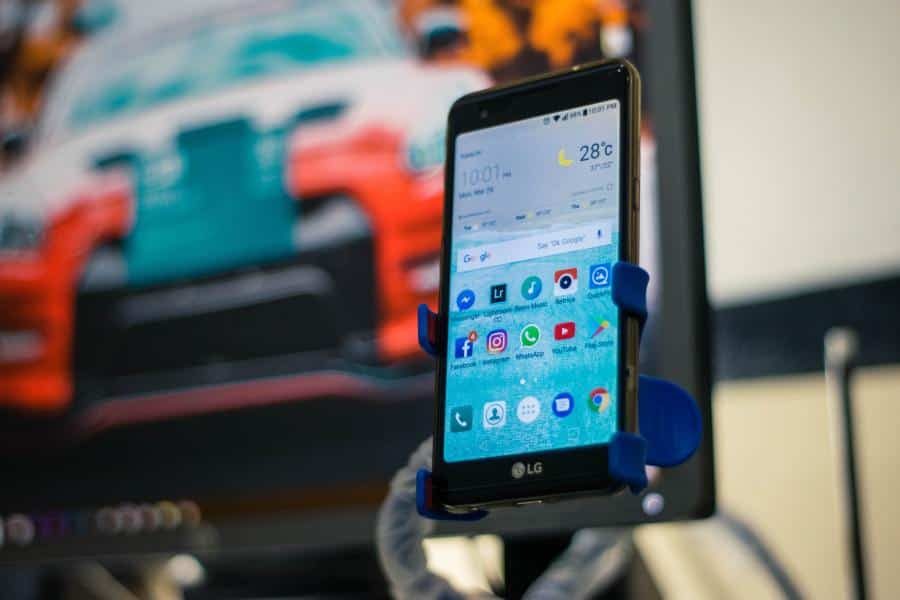
Epic Games also accuses Google of doing the same thing with LG. Both Epic Games and LG had made a deal to install the Fortnite launcher on LG phones. However, Google stepped in again to demand LG break the deal.
Google said LG had to stop the deal because they had signed a contract with Google. This contract said LG should not allow “side downloading” on the Google Play Store this year.
Google & Apple vs. Epic Games
Apple pulled Fortnite from the App Store because Epic would have allowed gamers to pay for V-bucks directly to Epic Games. These lawsuits will force Google and Apple to deal with their antitrust issues.
The post Epic Games Sues After Google Pulls Fortnite From Play Store first appeared on Tekrati and is written by Irene Hawkins
]]>
Google Is Now Asking for 30% of Play Store Revenue
Despite seeing Apple get hit for its 30% App Store tax, Google still wants to follow the tech giant’s footsteps. Google has explained its billing system for paid apps on the Play Store. The Google Tax In a blog post, Google says developers with apps on the Play Store have until September 30, 2021, to [...]
The post Google Is Now Asking for 30% of Play Store Revenue first appeared on Tekrati and is written by Sam Arnold
]]>Google Is Now Asking for 30% of Play Store Revenue
Despite seeing Apple get hit for its 30% App Store tax, Google still wants to follow the tech giant’s footsteps. Google has explained its billing system for paid apps on the Play Store.
The Google Tax
In a blog post, Google says developers with apps on the Play Store have until September 30, 2021, to comply with its billing system. Gizmodo adds that this deadline means developers have one year left to receive direct payments from users before they have to pay 30% to Google. Moreover, Gizmodo says the Google tax might roll out at the same time as Android 12.
Google takes an Apple approach to Android apps, will require 30% cut of Play Store revenue https://t.co/IOr8EGmPbQ pic.twitter.com/NaAVBBtL4f
— Gizmodo (@Gizmodo) September 29, 2020
Who Would Pay the Tax?
In the same report, Gizmodo says that the one-year grace period applies to businesses that had to go fully online because COVID-19 shut down their physical stores. Google also plans to support developers who want to get their apps on multiple stores and multiple platforms.
If your app already runs Google’s billing system, the company now requires you to use it for new apps or downloads. You should also use the system to charge users for in-app purchases. However, apps used for money transfers, like Venmo, are exempted. These new rules take effect on January 20, 2021.
Google and the Apple Tax
Despite the billing system, Google says that it still wants to support Android’s open API platform. For example, users should freely choose developers for their “default messaging, keyboard, phone dialer, or other apps.”
You also don’t need to upload apps to the Play Store if you want them on Android. For example, the Android version of Fortnite is not on the Play Store, but you can get it from Epic Games’ website or Samsung’s Galaxy App Store.
The post Google Is Now Asking for 30% of Play Store Revenue first appeared on Tekrati and is written by Sam Arnold
]]>
Google Accused of Blocking Rival Apps from Play Store
After joining Facebook, Amazon, and Apple at an antitrust hearing in Congress, Google faces new charges of locking out rival developers. Boomerang, a parental control app, accused Google of shutting them out of the Play Store again and again. To its devs, Boomerang got kicked out because it was a rival to Google’s Family Link [...]
The post Google Accused of Blocking Rival Apps from Play Store first appeared on Tekrati and is written by Irene Hawkins
]]>Google Accused of Blocking Rival Apps from Play Store
After joining Facebook, Amazon, and Apple at an antitrust hearing in Congress, Google faces new charges of locking out rival developers. Boomerang, a parental control app, accused Google of shutting them out of the Play Store again and again. To its devs, Boomerang got kicked out because it was a rival to Google’s Family Link parental control service.
Google Locking Out Rivals from the Play Store
Tech Crunch reports that Boomerang got shut out because it violated the “Deceptive Behavior Policy.” Google said users could have a hard time deleting Boomerang from their devices.
Google has a set of rules for creators to follow before appearing on the Play Store. However, Tech Crunch says Google itself doesn’t always enforce these rules. Those who appeal receive no responses, if not canned replies. Boomerang dev Justin Payeur said he got automated emails from Google after a few weeks.
Parental control app Boomerang repeatedly blocked from Play Store, losing business https://t.co/nReOxsphXl by @sarahintampa
— TechCrunch (@TechCrunch) August 4, 2020
Google and Apple Facing Similar Charges
Apple also faces similar charges. In 2018, third-party screen time app makers accused Apple of removing them from the App Store. Moreover, they also said Apple took them out because it had just launched iOS 12. Notably, iOS 12 carried a screen time feature.
Boomerang Hits Back at Google
While Google has re-approved Boomerang, Payeur said the company still had to fix several issues. His main concern is Google’s late feedback. For now, Payeur is making a list of concerned apps to discuss possible actions.
The post Google Accused of Blocking Rival Apps from Play Store first appeared on Tekrati and is written by Irene Hawkins
]]>