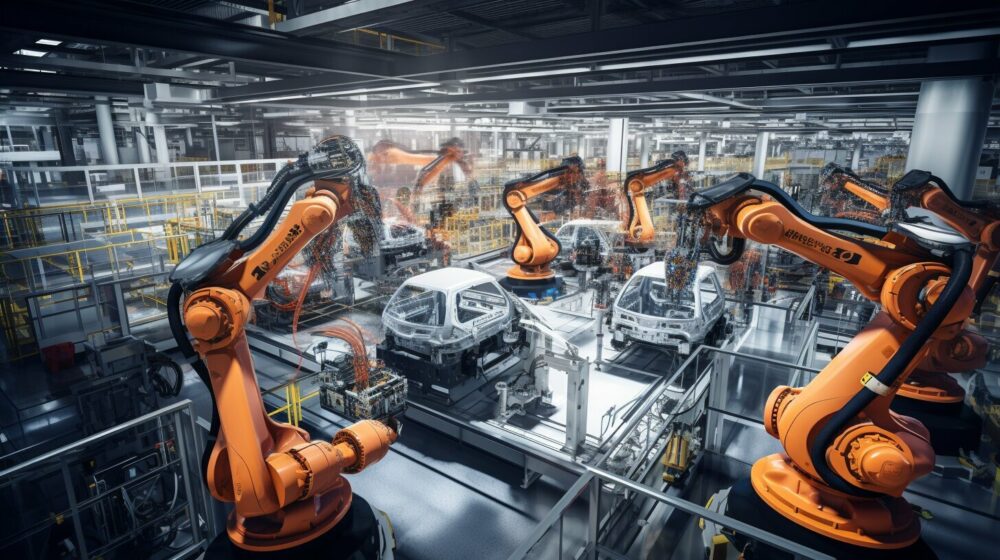
AI Improves Manufacturing: Revolutionizing Production Efficiency
In recent years, the manufacturing industry has undergone a significant transformation with the widespread adoption of artificial intelligence (AI) technology. AI has revolutionized manufacturing processes by improving efficiency, reducing costs, and enhancing product quality. Through the use of advanced AI algorithms, manufacturers can optimize their operations, increase productivity, and streamline supply chains. AI improves manufacturing [...]
The post AI Improves Manufacturing: Revolutionizing Production Efficiency first appeared on Tekrati and is written by Khezia
]]>AI Improves Manufacturing: Revolutionizing Production Efficiency
In recent years, the manufacturing industry has undergone a significant transformation with the widespread adoption of artificial intelligence (AI) technology. AI has revolutionized manufacturing processes by improving efficiency, reducing costs, and enhancing product quality. Through the use of advanced AI algorithms, manufacturers can optimize their operations, increase productivity, and streamline supply chains. AI improves manufacturing in many ways, making it a crucial part of the modern manufacturing landscape.
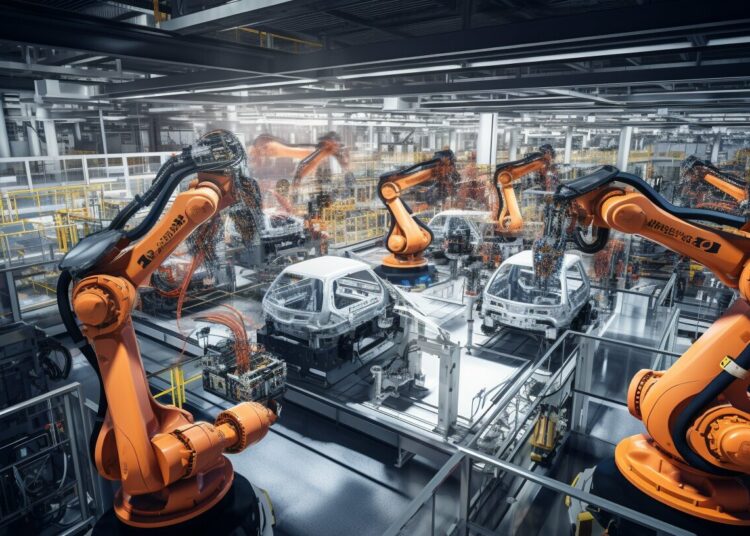 AI Solutions for Manufacturing
Artificial Intelligence (AI) technology is being increasingly integrated into manufacturing processes to streamline operations and improve efficiency. The following are some of the AI solutions that are being utilized to optimize manufacturing:
Predictive Maintenance
AI algorithms are being used to predict when equipment maintenance is required, reducing the risk of unexpected downtime. AI-enabled predictive maintenance can save costs for businesses by minimizing the need for manual inspections and increasing the lifespan of equipment and machinery.
Quality Control
AI is improving quality control by helping to identify defects and anomalies that are difficult for human operators to detect. Computer vision systems, for example, can inspect products with greater accuracy and speed, reducing the risk of product recalls and improving product quality.
Supply Chain Optimization
AI is being used to optimize the supply chain, from forecasting demand to managing inventory levels and improving logistics. This optimization can help reduce costs and improve product availability, ensuring that products are delivered to customers in a timely and efficient manner.
Inventory Management
AI can automate inventory management by tracking stock levels, predicting demand, and identifying slow-moving items. This information can help businesses optimize their inventory levels, reducing the risk of overstocking or stockouts and minimizing waste.
Incorporating these AI solutions into manufacturing processes can result in significant improvements in efficiency, productivity, and profitability.
AI Advancements in Manufacturing
Recent advancements in AI technology are revolutionizing the way manufacturing processes are optimized, leading to significant benefits for businesses. The use of AI in manufacturing has resulted in cost reduction, increased productivity, improved product quality, and enhanced safety, among others.
One of the major advancements in AI technology for manufacturing is the ability to analyze large datasets to identify patterns and optimize production schedules. By utilizing AI algorithms, businesses can create more accurate demand forecasts, minimize inventory costs, and reduce waste.
Another significant advancement in AI technology is its ability to automate various tasks in the manufacturing industry. With AI-powered robots and machines, businesses can streamline operations, reduce the risk of injuries, and improve overall efficiency. Furthermore, AI-driven automation frees up human workers to focus on more complex and creative tasks, leading to higher job satisfaction and better output.
AI is also driving manufacturing processes towards a smarter and more sustainable future. Businesses can optimize energy consumption and reduce waste by using AI to monitor and analyze production processes in real-time. Additionally, AI can enable proactive maintenance, identifying equipment issues before they turn into costly breakdowns.
As AI continues to evolve, the potential for its application in manufacturing is limitless. With the continued growth of machine learning and computer vision, AI holds the promise of more energy-efficient manufacturing processes, real-time quality control, and personalized mass-production.
Businesses that embrace AI technology can gain a competitive edge in the market, paving the way for improved efficiency and profitability.
AI Optimization for Manufacturing
AI technology is changing the way manufacturing companies operate, utilizing data analytics to optimize production processes and reduce costs. One of the ways AI is optimizing manufacturing is through its ability to analyze large datasets and identify patterns.
With AI algorithms, manufacturers can better predict which products will be in demand and adjust production schedules accordingly. They can also optimize inventory management and supply chain operations, reducing waste and streamlining processes.
| Benefits of AI Optimization for Manufacturing | Examples |
|---|---|
| Increased productivity | AI-powered robots and machines can perform repetitive or dangerous tasks, freeing up human workers for more complex tasks. |
| Improved quality control | AI can identify defects in products faster and more accurately than humans, reducing the likelihood of faulty products reaching consumers. |
| Cost reduction | By optimizing production schedules and supply chain operations, manufacturers can reduce costs associated with excess inventory and inefficient processes. |
Overall, AI optimization is helping manufacturers save time and money while improving the quality of their products. As AI technology continues to advance, manufacturers will undoubtedly find even more innovative ways to apply it to their operations.
AI Automation in Manufacturing
AI-powered robots and machines are increasingly being used in the manufacturing industry to automate various tasks. This has led to improved efficiency and reduced costs, as well as increased safety for workers.
One of the key benefits of AI automation in manufacturing is the ability to perform repetitive tasks with high precision. This can greatly reduce the risk of errors and defects in production. Additionally, AI-powered robots can perform tasks that are too dangerous or difficult for human workers, such as working with hazardous materials or in extreme temperatures.
| Task | AI Solution |
|---|---|
| Assembly line | Robotic arms can perform repetitive tasks with high precision |
| Packaging | Robots can automatically package products with minimal human intervention |
| Inspection | AI-powered cameras can detect defects in products with greater accuracy than human inspection |
AI automation is also helping to reduce the workload of human workers in the manufacturing industry. This can free up time for workers to focus on more complex tasks that require human expertise, such as quality control and problem-solving.
However, the implementation of AI automation in manufacturing also raises concerns about job displacement. As machines become increasingly capable of performing tasks previously done by humans, it’s possible that some jobs may become obsolete. It’s important for businesses to consider the impact of AI automation on their workforce and take steps to reskill and train workers for new roles.
AI-Driven Manufacturing Processes
AI is driving the manufacturing industry towards a smarter and more sustainable future. Manufacturing processes that are optimized with AI can lead to significant improvements in energy consumption, waste reduction, and proactive maintenance. This not only helps businesses reduce their environmental impact, but also leads to long-term cost savings.
AI-powered optimization allows manufacturers to fine-tune their energy consumption by taking advantage of off-peak rates, adjusting their consumption based on production forecasts and reducing their overall usage. This kind of energy consumption optimization can lead to significant HVAC energy savings, lighting control optimization and more. Such AI strategies are increasingly being employed by environmentally conscious manufacturers.
AI can also be used to reduce waste in manufacturing processes by identifying areas of excess usage or by helping businesses analyze and fine-tune their supply chain to reduce unnecessary waste. This not only has environmental benefits but also contributes directly to a company’s bottom line through reduced costs.
Another way AI is driving manufacturing processes is through proactive maintenance. With AI analytics, manufacturers can monitor equipment and assets in real-time, detecting faults and scheduling maintenance before issues occur. This not only reduces downtime but also ensures safety and helps prevent accidents in the workplace.
Overcoming Challenges in Implementing AI in Manufacturing
Integrating AI technology into manufacturing processes comes with various challenges that need to be considered for successful adoption. Below are some of the most significant challenges:
Cost
As with any new technology, implementing AI in manufacturing can come with a hefty upfront cost. Depending on the size of the business and the complexity of the AI solution, the investment required for AI integration could be substantial. However, it is important to note that AI can also lead to significant cost savings in the long run.
Integration with existing systems
A major challenge in implementing AI in manufacturing is integrating it with existing systems. Since most manufacturing plants already have a range of legacy systems in place, finding a way to seamlessly integrate AI with these systems can be a complex process. This requires careful planning and coordination to ensure that AI works smoothly with existing systems.
Workforce training
Introducing AI into a manufacturing plant means that workers will need to be trained to operate and maintain the new technology. This requires investing time and resources in training programs to ensure that workers are equipped with the necessary skills and knowledge to work alongside AI-powered machines.
Data security
Integrating AI into manufacturing processes can lead to increased data collection and analysis. This can raise concerns about data privacy and security. Businesses need to ensure that they have the necessary security measures in place to protect sensitive data from cyber threats.
Despite these challenges, businesses that successfully integrate AI into manufacturing can achieve significant improvements in production efficiency and competitiveness. Overcoming these challenges requires careful planning, a strategic approach, and a willingness to invest in the future.
Future of AI in Manufacturing
The future of AI in manufacturing looks promising, with emerging and evolving technologies poised to transform the industry. Machine learning, for example, can analyze vast amounts of data to improve predictive maintenance and optimize production processes. Computer vision, on the other hand, can enable machines to identify and classify objects, improving quality control and safety.
The role of human workers in this AI-driven landscape is also a topic of discussion. While AI can automate various tasks, humans will still play a crucial role in overseeing and managing these processes. The need for upskilling and reskilling workers will be paramount to ensure they can work effectively alongside AI-powered machines and algorithms.
Challenges and Concerns
Of course, there are challenges and concerns that need to be addressed as AI continues to transform the manufacturing industry. One major concern is cybersecurity, as increased automation and data sharing can lead to vulnerabilities in the system. Additionally, the cost of implementing AI technology and integrating it with existing systems can be a barrier for some businesses.
Another concern is the potential displacement of workers and the impact on the workforce. While AI can improve efficiency and reduce costs, it can also lead to job loss in certain areas. Ensuring a just transition for workers and investing in training programs is essential in mitigating these effects.
Opportunities and Advancements
Despite these challenges, the opportunities and advancements in AI technology are too significant to ignore. From reducing waste and improving sustainability to increasing productivity and enhancing product quality, the benefits of AI in manufacturing are numerous.
As the technology continues to advance, it will be interesting to see how AI is further integrated into manufacturing processes and how businesses adapt to this changing landscape.
Case Studies: AI Success Stories in Manufacturing
AI technology has significantly transformed the manufacturing industry, and many companies have already experienced the benefits firsthand. Let’s take a look at some success stories:
| Company | AI Solution | Results |
|---|---|---|
| Ford | Predictive Maintenance | Ford’s AI-powered system can detect potential manufacturing issues before they occur, reducing unplanned downtime by 50%. |
| Siemens | Supply Chain Optimization | Siemens implemented an AI-powered supply chain system that resulted in a 15% reduction in transportation costs and a 20% reduction in inventory costs. |
| Intel | Quality Control | Intel’s AI-enabled system can rapidly identify defects during the manufacturing process, resulting in a 30% reduction in quality control time and a 50% reduction in false positives. |
These case studies demonstrate how AI can improve production efficiency, reduce costs, and enhance product quality in manufacturing. They also highlight the diverse range of AI solutions that are being implemented in the industry, from predictive maintenance to supply chain optimization.
Ethical Considerations: AI Improves Manufacturing
As AI becomes increasingly prevalent in the manufacturing industry, there are several ethical considerations that need to be addressed to ensure responsible and ethical use of this technology.
One major concern is data privacy. As AI algorithms rely heavily on data, companies need to be transparent about what data they are collecting and how it is being used. It is crucial to ensure that sensitive information, such as employee data, is not being misused or mishandled.
Another consideration is the potential for job displacement. While AI can improve efficiency and productivity, it can also render certain jobs obsolete. It is important for companies to provide training and support for employees who may be affected by AI implementation.
Bias in AI algorithms is another issue that needs to be addressed. AI algorithms can perpetuate existing biases in data and result in discriminatory outcomes. Companies need to ensure that their AI systems are designed to be fair and unbiased, and that they are regularly audited to detect and correct any biases.
Finally, it is essential to consider the broader societal implications of AI in manufacturing. As AI becomes more sophisticated, it is possible that it may lead to a concentration of power in the hands of a few large companies. It is important to promote diversity and competition in the development and application of AI to avoid this scenario.
Conclusion: Harnessing the Power of AI in Manufacturing
As we have seen, AI technology is transforming the manufacturing industry, providing businesses with unprecedented opportunities to improve their production efficiency, quality, and sustainability. Through predictive maintenance, inventory management, and supply chain optimization, AI is streamlining processes and reducing costs.
The recent advancements in AI technology are making it possible for businesses to optimize their manufacturing processes even further. AI algorithms can analyze vast amounts of data, identify patterns, and make accurate predictions about demand and production schedules. This enables businesses to make informed decisions, reduce waste, and improve overall efficiency.
Ethical Considerations in AI-Driven Manufacturing
However, it is important to note that the adoption of AI technology in manufacturing also raises ethical considerations. Data privacy, job displacement, and bias in AI algorithms are just some of the issues that need to be addressed to ensure the responsible and ethical use of AI technology.
In conclusion, the transformative power of AI in manufacturing cannot be denied. As businesses seek to remain competitive in an increasingly globalized market, the adoption of AI technology may be the key to unlocking greater efficiency, cost reductions, and sustainability. By embracing AI technology and addressing the ethical considerations that come with it, businesses can achieve greater success both now and in the future.
Key takeaways on how AI is improving manufacturing:
- AI is revolutionizing manufacturing processes by optimizing operations, increasing productivity, and streamlining supply chains. Solutions like predictive maintenance, quality control, inventory management are being used.
- Recent advancements allow AI to analyze large datasets to identify patterns and optimize production schedules. This leads to more accurate demand forecasts, reduced costs, and less waste.
- Implementing AI automation enables tasks like assembly, packaging, and inspection to be performed with high precision and consistency by robots. This reduces errors and frees up humans for more complex work.
- AI is driving manufacturing towards smarter, more sustainable processes by optimizing energy use, reducing waste, and enabling proactive maintenance through real-time monitoring.
- Key challenges in implementing AI include upfront costs, integrating with legacy systems, training workers, and ensuring data security. However, the long-term benefits outweigh the challenges.
- The future looks promising as emerging technologies like machine learning and computer vision are poised to further transform manufacturing. But concerns around cybersecurity, job displacement, and bias need addressing.
- Case studies show AI improving efficiency, reducing costs, and enhancing quality in manufacturing across companies like Ford, Siemens, and Intel.
- Ethical use of AI in manufacturing needs considering issues like privacy, job displacement, algorithmic bias, and concentration of power.
At Tekrati, we deliver engaging tech news stories and in-depth analysis to keep you on the cutting edge. We cover AI, computing, smartphones, cybersecurity and all tech innovations with curiosity and clarity. We believe technology empowers progress when guided by diverse perspectives. Visit Tekrati.com to explore the future of tech through our thoughtful articles, how-tos and interviews.
The post AI Improves Manufacturing: Revolutionizing Production Efficiency first appeared on Tekrati and is written by Khezia
]]>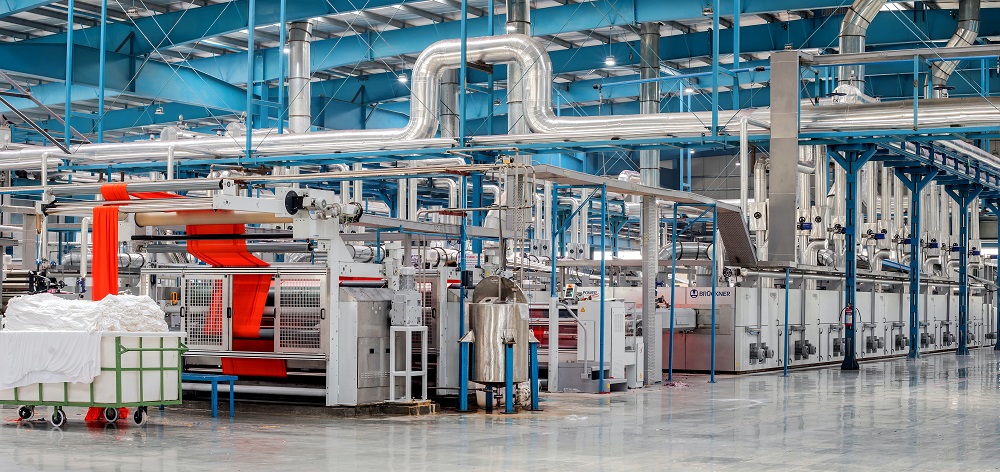
How to expand your manufacturing business to help it succeed
When you are looking at ways to expand and become more successful, it can be easy to feel overwhelmed, as you are given so much to think about in unfamiliar areas. Like so many other things, this next chapter could be as simple as doing more of the things you know and relying on others [...]
The post How to expand your manufacturing business to help it succeed first appeared on Tekrati and is written by Gia Patterson
]]>How to expand your manufacturing business to help it succeed
The post How to expand your manufacturing business to help it succeed first appeared on Tekrati and is written by Gia Patterson
]]>