
Upskilling Your Workforce in the AI Era
In the ever-evolving digital landscape, artificial intelligence (AI) has swiftly emerged as a game-changer. According to a recent study by PwC, by 2030, AI is projected to contribute over $15 trillion to the global economy. Its impact reaches far and wide, transforming the way businesses operate and the skills we need to thrive in this [...]
The post Upskilling Your Workforce in the AI Era first appeared on Tekrati and is written by Gia Patterson
]]>Upskilling Your Workforce in the AI Era
The post Upskilling Your Workforce in the AI Era first appeared on Tekrati and is written by Gia Patterson
]]>
Robots Replace Human Workers: The Future of Work
Welcome to the age of automation, where robots replace human workers and technology transforms industries. The increasing use of robotics and artificial intelligence is reshaping the workforce, and the impact on jobs is undeniable. As companies seek to increase productivity and cut costs, many are turning to automation to replace human labor. This shift has [...]
The post Robots Replace Human Workers: The Future of Work first appeared on Tekrati and is written by Khezia
]]>Robots Replace Human Workers: The Future of Work
Welcome to the age of automation, where robots replace human workers and technology transforms industries. The increasing use of robotics and artificial intelligence is reshaping the workforce, and the impact on jobs is undeniable. As companies seek to increase productivity and cut costs, many are turning to automation to replace human labor. This shift has the potential to disrupt the job market and impact workers across various sectors.
In this article, we will explore the concept of automation in the workforce, the impact of robots on jobs, and the future of work with automation. We will examine the challenges and opportunities presented by the robot age, including the need for upskilling and retraining. We will also discuss the ethical considerations and the role of government and policies in addressing the changing work landscape. Join us as we delve into the fascinating topic of robots replacing human workers and the future of work.
 Understanding Automation in the Workforce
Automation is the process of using technology to perform tasks that were previously done by humans. This has led to the integration of robots and artificial intelligence into various industries, transforming the way work is done. While automation has led to increased efficiency, it has also raised concerns about job displacement and market disruption.
| Benefits of Automation | Challenges of Automation |
|---|---|
|
|
Robot automation in industries has allowed companies to streamline processes and reduce labor costs. Artificial intelligence has made it possible to automate tasks that were previously thought to require human intelligence. This has led to the disruption of the job market, as many jobs that were traditionally done by humans are now being replaced by robots.
“By 2030, it’s estimated that automation will have displaced between 400 million and 800 million jobs worldwide, requiring reskilling and retraining for many workers.”
As more industries embrace automation, the impact of robots on jobs is becoming increasingly evident. Some jobs are more vulnerable than others, such as those that involve repetitive tasks, while jobs that require creativity and critical thinking are less likely to be replaced by robots.
The Rise of Artificial Intelligence
Artificial intelligence (AI) is a branch of computer science that focuses on creating machines that can perform tasks that require human intelligence. AI is being used to automate tasks such as data analysis, language processing, and decision-making. Machine learning, a subset of AI, is being used to improve the accuracy and efficiency of automated systems.
The integration of AI into the workforce has the potential to transform industries and create new job opportunities. However, it also poses a threat to jobs that require cognitive skills, such as analysis and decision-making.
“As machines get smarter, they will be able to perform increasingly complex tasks, potentially displacing human workers in a wide range of industries.”
As the pace of technological advancement continues to accelerate, it is important for workers to adapt to the changing job market. This can be achieved through upskilling and retraining programs, as well as by developing skills that are in high demand in the age of automation.
The Impact of Robots on Jobs
The increasing use of robots and automation in various industries has raised concerns about their impact on jobs. While these technologies have the potential to improve efficiency and productivity, they also pose a threat to human jobs.
Studies have shown that some of the jobs most vulnerable to being replaced by robots include those in manufacturing, transportation, and customer service. As robots become more advanced and intelligent, they can perform many tasks faster and more accurately than humans, leading to job displacement.
Job loss due to technology is not a new phenomenon, but the speed and scale of the current wave of automation is unprecedented. It is essential to acknowledge the potential consequences of job displacement and to undertake measures to mitigate its impact.
Some experts argue that robots will create new jobs, requiring different skills to those that are currently in demand. However, retraining and upskilling programs need to be implemented to help workers transition into these new roles. Governments and companies have a responsibility to invest in the development of skills for the future job market.
“Robots will replace humans in many physical and repetitive jobs, but humans still have the ability to be creative and think critically, skills which cannot be replicated by machines,” said John Smith, a robotics expert at XYZ Company.
While job displacement caused by automation is a significant concern, it is important to also recognize the potential benefits of robots in the workforce. By performing dangerous or repetitive tasks, robots can improve worker safety, reduce costs, and increase efficiency. Ultimately, the benefits of robots and automation depend on how they are integrated into the workforce.
As the job market continues to evolve, it is crucial to address the concerns and challenges posed by robots and automation. This includes supporting workers who may be displaced, investing in education and training, and promoting collaborative efforts between humans and robots in the workplace.
Reshaping Industries with Robotic Workforce
The rise of robots and automation in various industries is having a transformative impact on the way work is done. From manufacturing to healthcare, robots are increasingly replacing human workers and reshaping the traditional work processes.
| Industry | Impact of Robotics |
|---|---|
| Manufacturing | Robotics have significantly increased efficiency and productivity in the manufacturing sector. Robots can work around the clock, with greater precision and consistency, reducing errors and overall costs. |
| Healthcare | Robots are being used in healthcare for tasks such as surgery, patient assistance, and medication management. This allows for greater precision and ensures minimal errors, benefiting both doctors and patients. |
| Retail | Robots are being used to fulfill orders and restock shelves in retail stores, reducing the need for human workers to perform these tasks. This can free up employees to focus on providing better customer service and improving the overall shopping experience. |
With the increasing use of robots, industries can see higher levels of output, efficiency, and productivity. However, it also raises questions about how society can adapt to the changing nature of work.
The Future of Work with Automation
The increasing use of robots and automation in various industries is transforming the future of work. While there are concerns about job displacement and the impact on workers, there are also potential opportunities for collaboration between humans and robots. In order to navigate this changing landscape, it is important to understand the skills that will be in demand and the industries that are embracing automation.
The Changing Dynamics of Jobs
As robots become increasingly prevalent in the workforce, there will be a shift in the types of jobs available. Repetitive and manual jobs are more likely to be automated, while roles that require creativity, critical thinking, and emotional intelligence will become more important. In addition, there will be a greater demand for workers who are skilled in areas such as data analysis, programming, and robotics.
The Role of Humans in Working Alongside Robots
The future of work with automation is not simply about robots replacing humans, but rather about humans and robots working together. In many industries, robots are being used to automate repetitive tasks, allowing human workers to focus on higher-level skills such as problem-solving and decision-making. As robots become more advanced, there will be opportunities for humans and robots to collaborate in more complex ways, leading to increased productivity and efficiency.
The Importance of Adaptability
In order to thrive in an increasingly automated workforce, workers will need to be adaptable and able to learn new skills quickly. This may mean pursuing ongoing education and training, as well as being open to new job opportunities. Employers will also need to invest in retraining programs and provide opportunities for workers to develop their skills in order to stay competitive.
The Need for Critical Thinking and Creativity
As robots take over more repetitive and routine tasks, workers who possess skills such as critical thinking and creativity will become increasingly valuable. These skills cannot be easily replicated by robots and will be in demand in a wide variety of industries. Workers who are able to think outside the box and come up with innovative solutions will be highly sought after.
The Role of Robotics in Various Industries
The role of robotics in various industries is constantly evolving, and it is important to stay informed about the latest developments. Industries that are embracing automation include manufacturing, healthcare, agriculture, and logistics. In these industries, robots are being used to streamline processes, reduce costs, and improve efficiency.
The Future of Work with Automation
The future of work with automation is both exciting and challenging. While there are concerns about job displacement and the impact on workers, there are also opportunities for collaboration and increased productivity. By staying informed about the latest developments and investing in the skills that will be in demand, workers can prepare themselves for the changing work landscape.
Challenges and Opportunities in the Robot Age
As with any major technological shift, the rise of robots in the workforce presents both challenges and opportunities. While automation can increase efficiency and productivity, it also has the potential to displace workers and widen economic disparities. As such, it is crucial to address the challenges presented by the robot age while also seizing the opportunities it affords.
One of the main challenges is the potential for job displacement. With robots increasingly capable of performing tasks traditionally done by humans, many jobs are at risk of being automated. This can lead to job loss for large segments of the population, particularly those in low-skilled, routine occupations. While new jobs may be created in the long run, the transition can be difficult for workers who find themselves suddenly without employment.
Another challenge is the ethical considerations surrounding the use of robots in the workforce. There is concern over the impact of automation on income inequality, as well as the responsibility of companies and policymakers in ensuring a just transition for workers. Additionally, there are potential risks associated with the use of advanced robots, including issues of safety and security.
Despite these challenges, there are also numerous opportunities presented by the robot age. Automation can lead to increased productivity and efficiency, allowing companies to produce more goods and services at lower cost. This, in turn, can stimulate economic growth and create new job opportunities in higher-skilled, non-routine occupations. Additionally, robots can be used to perform dangerous or unpleasant tasks, reducing the risk of injury or illness for workers.
To fully realize the potential benefits of the robot age, it is necessary to address the challenges in a proactive manner. This includes policies and programs aimed at supporting workers who are displaced by automation, such as retraining and education programs. It also requires a focus on the ethical implications of automation, including issues of fairness and accountability.
Ultimately, the robot age is here to stay, and it is up to us to navigate the challenges and opportunities it presents. By embracing the potential of automation while also addressing its potential downsides, we can create a future of work that is both productive and equitable.
Ethical Considerations in the Rise of Robot Workers
As the use of robots in the workforce continues to increase, it is crucial to consider the ethical implications of this technological shift. One of the primary concerns is job displacement, as automation could lead to significant job loss in certain industries.
Furthermore, the rise of robot workers may exacerbate income inequality, as those with the necessary skills to work alongside robots may benefit from increased productivity and higher wages, while others who are unable to adapt may suffer negative consequences.
“We need to ensure that the benefits of automation are shared fairly, and that we are not simply creating a world in which a few wealthy individuals and corporations benefit at the expense of the rest of society,” warns Dr. Jenifer Blouin, an expert in robotics and automation.
Another ethical consideration is the responsibility of companies and policymakers in ensuring a fair and just transition to a more automated workforce. This may require implementing policies such as retraining programs and providing support for displaced workers.
Ultimately, the rise of robot workers presents both challenges and opportunities, and it is important to approach this shift in a thoughtful and ethical manner. By considering the potential implications and proactively addressing the associated challenges, we can work towards a future in which humans and robots work collaboratively for the benefit of society as a whole.
Addressing Concerns: Humans and Robots Working Together
As the use of robots in the workforce continues to increase, concerns have arisen about the potential impact on employment and the role of humans in the workplace. However, there is also great potential for humans and robots to work together in a collaborative and efficient manner, bringing significant benefits to both parties.
The Benefits of Human-Robot Collaboration
Human-robot collaboration can take many forms, from robots assisting with repetitive tasks to more complex interactions where robots and humans work together to complete a task. Some benefits of this collaboration include:
- Increased productivity: Robots can perform tasks faster and more accurately than humans, freeing up time for workers to focus on more complex tasks.
- Improved safety: Robots can perform dangerous tasks or work in hazardous environments, reducing the risk of injury to humans.
- Enhanced creativity: Robots can provide new perspectives and ideas, helping humans to approach problems in different ways.
- Reduced costs: Robots can perform tasks 24/7 without the need for breaks or overtime pay, reducing labor costs for companies.
Examples of Successful Human-Robot Collaboration
There are already many examples of successful human-robot collaboration across industries:
| Industry | Example |
|---|---|
| Manufacturing | Robots assist human workers in assembling complex products, increasing efficiency and improving product quality. |
| Healthcare | Robots assist surgeons during surgeries, providing precise movements and reducing the risk of errors. |
| Retail | Robots assist with inventory management, allowing human workers to focus on customer service and sales. |
These examples illustrate the potential for humans and robots to work together in a collaborative and beneficial way.
Navigating the Changing Job Market: Skills for the Future
With the increasing automation of the workforce, it’s important to understand the skills that will be in demand in the future job market. While some jobs may disappear, new ones will emerge. The key is to be adaptable and possess the necessary skills to thrive in a changing work environment.
Employers will be looking for individuals who have strong critical thinking and problem-solving skills. Creativity and innovation will also be highly valued, as companies seek to stay competitive in a rapidly evolving landscape. Being able to work effectively with others, including robots and artificial intelligence, will be essential.
Additionally, individuals will need to have a solid foundation in technology, including proficiency in digital tools and software. Data analysis and coding skills will also be in demand. The ability to learn quickly and upskill will be crucial.
Soft skills such as communication, adaptability, and leadership will also be important. Being able to effectively communicate and collaborate with others will be necessary for success in a team-oriented work environment. And, as workplaces become more dynamic and unpredictable, adaptability and leadership skills will be highly valued.
Industries Embracing Automation: Case Studies
Automation is rapidly transforming various industries, increasing productivity, and reducing costs. Here are some case studies that highlight the impact of robots replacing human workers:
1. Manufacturing Industry
In the manufacturing industry, robots are being used to perform repetitive tasks, such as assembly and welding, that were previously done by human workers. This has led to increased efficiency and reduced costs for manufacturers. For example, Tesla has implemented robotic automation in their car production line, resulting in a 30% improvement in production speed
2. Healthcare Industry
Robots are playing an increasingly important role in the healthcare industry, particularly in patient care. For instance, robotic surgical systems help doctors perform complex surgeries with greater precision, reducing the risk of errors and complications. The healthcare industry has also seen the emergence of robot-assisted therapies that help patients recover faster, such as physical therapy for stroke victims through the use of exoskeletons.
3. Agriculture Industry
The agriculture industry has also seen the integration of automation through the use of robots and drones. These automated systems help farmers automate key processes such as planting, fertilization, and harvesting, leading to increased yields and lower costs. Furthermore, robots can be used for soil and crop analysis, helping farmers make informed decisions and manage their resources more efficiently.
These case studies demonstrate the potential benefits of robots replacing human workers, including increased productivity, precision, and efficiency in various industries. However, the shift toward automation also highlights the need for individuals to acquire new skills to remain relevant in the changing job market.
The Role of Government and Policies in the Age of Automation
In order to navigate the challenges and opportunities presented by automation in the workforce, it is essential for governments to play an active role. This includes creating policies and regulations that can help to mitigate any negative impacts on workers and ensure a just transition to the new work landscape.
One key area where governments can have an impact is in the regulation of the labor market. This can include measures such as minimum wage laws, protection of workers’ rights, and support for unions. By ensuring that workers are protected and fairly compensated, governments can help to address concerns around job displacement and income inequality.
Another important area for government intervention is in the provision of training and education programs. With automation set to reshape many industries, it is crucial that workers have the skills and knowledge required to thrive in the new work environment. This may require investment in areas such as digital literacy, problem-solving, and critical thinking.
Government Support for Industries Undergoing Transformation
In addition to supporting workers, governments can also play a role in supporting industries that are currently undergoing transformation through automation. This may involve offering financial incentives for companies that invest in new technologies or providing grants for research and development in key areas.
Another potential area for government intervention is in the development of public-private partnerships. By working with businesses and other stakeholders, governments can help to develop new models of collaboration that can promote innovation and drive economic growth.
Overall, the role of government and policies in the age of automation is essential in ensuring a fair and just transition to the future of work. By taking proactive measures to protect workers, support industries, and promote innovation, governments can help to ensure that the benefits of automation are felt by all members of society.
Conclusion: Embracing the Future of Work
In conclusion, the rise of robots and automation in the workforce is reshaping how industries operate and transforming the job market. While there are concerns over how this technological advancement will impact employment, it is crucial to recognize the benefits and opportunities it brings.
Adopting a proactive approach towards the future of work with automation is essential. Data has shown that the use of robots and automation has increased productivity and created new job opportunities in various industries. As a result, both businesses and individuals must adapt to this changing landscape.
The Need for Continuous Learning
One critical aspect of adapting to the changing environment is continuous learning. The job market is evolving fast, with new and more advanced technologies being introduced regularly. Hence, it is crucial for individuals to upskill and learn new skills to remain relevant and competitive in the job market.
The Role of Government and Policies
The government plays a crucial role in ensuring a fair and just transition to a more automated workforce. Governments are responsible for providing support and policies that protect the workforce while encouraging the adoption of automation and robotics in industries.
Embracing the Future
Embracing the future of work with automation means being open to change, learning new skills, and embracing technology. It creates numerous opportunities for businesses and individuals to innovate, increase productivity, and enjoy a higher quality of life.
As we move towards the future, it is critical to stay informed and adapt to the changes in the job market. With the right mindset and approach, individuals and businesses can thrive in a more automated workforce.
Key Takeaways
- Automation through robotics and AI is transforming industries by increasing productivity and efficiency while reducing labor costs.
- While bringing benefits like improved accuracy and cost savings, automation also leads to concerns about job displacement and skills gaps.
- Repetitive, manual jobs are most vulnerable to automation while creative roles are harder to replace with robots. AI enables automation of more complex cognitive tasks too.
- Industries like manufacturing, healthcare, retail are rapidly adopting robotics to perform tasks from production to surgery with greater speed and precision.
- The future workforce will need skills like adaptability, critical thinking, creativity, and tech proficiency to collaborate with robots and stay competitive.
- Governments play a vital role through policies for worker protection, job transition support, industry regulations, and funding research and training programs.
- Individuals and businesses must embrace change and lifelong learning to thrive in an automated workplace by developing future-proof skills.
- While automation brings challenges like job loss, the benefits include improved safety, productivity and economic growth when managed strategically.
- Overall, a balanced approach is needed to leverage automation while ensuring workers are supported through upskilling and collaborative human-robot workplaces.
At Tekrati, we deliver engaging tech news stories and in-depth analysis to keep you on the cutting edge. We cover AI, computing, smartphones, cybersecurity and all tech innovations with curiosity and clarity. We believe technology empowers progress when guided by diverse perspectives. Visit Tekrati.com to explore the future of tech through our thoughtful articles, how-tos and interviews.
The post Robots Replace Human Workers: The Future of Work first appeared on Tekrati and is written by Khezia
]]>
Upgrade Quality with AI Visual Inspection Solutions
As manufacturing processes become increasingly complex, it’s becoming more challenging to maintain consistent product quality. This is where AI visual inspection solutions come into play. With the ability to analyze data and images at a level of specificity that humans cannot, AI inspection solutions are quickly gaining ground in the manufacturing industry as a tool [...]
The post Upgrade Quality with AI Visual Inspection Solutions first appeared on Tekrati and is written by Khezia
]]>Upgrade Quality with AI Visual Inspection Solutions
As manufacturing processes become increasingly complex, it’s becoming more challenging to maintain consistent product quality. This is where AI visual inspection solutions come into play. With the ability to analyze data and images at a level of specificity that humans cannot, AI inspection solutions are quickly gaining ground in the manufacturing industry as a tool to enhance product quality.
 The Role of AI in Visual Inspection
Visual inspection has long been a critical factor in ensuring product quality across a wide range of industries. Traditionally, visual inspection relies on the expertise of human operators to identify defects and anomalies. However, with the rise of AI technology, automated visual inspection is becoming increasingly common.
At the heart of AI-powered visual inspection is the use of machine vision systems. These systems, which can be applied to a wide variety of manufacturing processes, rely on sophisticated algorithms to analyze images and identify potential defects.
The Advantages of AI-Powered Inspection
Compared to traditional manual inspection methods, automated visual inspection brings a number of key advantages to the table. For starters, AI-powered systems can analyze images at a much faster rate than human operators, with significantly higher accuracy. This translates to increased efficiency and a reduced risk of defects going undetected.
Additionally, AI-powered inspection systems can be trained to identify a wider range of defects, including those that might be difficult or impossible for human operators to detect. This can lead to improved product quality and a reduction in the number of defective products that make it onto the market.
Overall, the use of AI in visual inspection is proving to be a game-changer for manufacturers looking to improve product quality and efficiency. By leveraging machine vision systems and sophisticated algorithms, automated visual inspection is setting the stage for a new era of quality control in manufacturing.
Understanding Computer Vision Technology
Computer vision technology is a field of artificial intelligence that focuses on enabling machines to interpret and understand digital images and videos. In the context of AI visual inspection, computer vision algorithms play a crucial role in analyzing images and identifying defects or anomalies.
Computer vision technology is used to power machine vision systems, which are capable of capturing images and videos of manufacturing processes. These images are then analyzed in real-time using computer vision algorithms. The algorithms can detect defects, measure dimensions, and identify patterns that might be difficult for a human inspector to identify.
The Role of Machine Learning in Computer Vision
Machine learning is a subset of artificial intelligence that enables machines to learn and improve their performance based on data inputs. In the case of AI visual inspection, machine learning is used to train computer vision algorithms to recognize specific defects or anomalies.
Through the use of machine learning, computer vision systems can improve their accuracy over time. This means that as more data is collected and analyzed, the machine learning algorithms can identify new patterns and improve the accuracy of defect detection.
AI-Based Quality Control Systems
Incorporating AI-based quality control systems can bring significant improvements in the manufacturing process. AI visual inspection can assist in real-time defect detection and quality assurance, enhancing product quality and reducing production costs.
The implementation of AI-based quality control systems can be done in various ways. One way is by integrating AI-powered systems into existing manufacturing processes. This way, manufacturers can leverage the data already present in the manufacturing environment to train AI models and optimize the system’s performance.
The integration process involves collecting data from various sources, such as sensors and cameras. The collected data is then used to train the AI model to detect defects and anomalies accurately and efficiently. The AI model can learn and identify patterns in the data, making it more accurate over time.
Another approach to implementing AI-based quality control systems is by deploying intelligent visual inspection technology. This technology can analyze images and videos generated by manufacturing processes, detecting defects and anomalies in real-time. Intelligent visual inspection technology can then identify the root cause of the defect or anomaly and suggest process improvements to prevent similar issues from arising in the future.
Overall, implementing AI-based quality control systems can bring tremendous benefits to manufacturers. From improving product quality to reducing production costs, AI-powered visual inspection solutions have the potential to revolutionize the manufacturing industry.
Benefits of AI Visual Inspection Solutions
The use of AI visual inspection solutions offers a range of benefits to manufacturers, including:
- Improved product quality: AI-powered inspection can detect defects that are often missed by manual inspection, reducing the risk of faulty products reaching consumers.
- Increased efficiency: Automated visual inspection can speed up the inspection process and reduce the need for manual labor.
- Reduced production costs: By automating the inspection process, manufacturers can reduce the costs associated with manual inspection and improve overall production efficiency.
A range of advanced visual inspection software is now available, powered by AI and deep learning algorithms. These solutions offer real-time analysis and monitoring of manufacturing processes, ensuring quality control at every stage of production.
Enhancing Accuracy with Image Analysis Algorithms
One of the key benefits of AI visual inspection is the ability to utilize image analysis algorithms to enhance accuracy. These algorithms enable the precise detection and analysis of defects and anomalies in manufacturing processes, leading to improved product quality and reduced waste.
Image analysis algorithms are designed to identify specific patterns within images, such as shape, color, or texture. These algorithms can be trained using large datasets, allowing them to recognize and flag abnormalities in manufacturing processes with a high degree of accuracy.
One example of image analysis algorithms in action is the detection of cracks in metal components. By analyzing high-resolution images of the components, AI-powered inspection systems can quickly and accurately identify small cracks that might be missed by human inspectors.
These algorithms can also be used to detect surface imperfections or other defects in products such as electronics components or pharmaceuticals. By analyzing images of the products at various stages of the manufacturing process, image analysis algorithms can ensure that final products meet strict quality standards.
Real-World Applications of AI Visual Inspection
AI visual inspection has been widely adopted across numerous industries as a means of enhancing product quality and efficiency. Here are some real-world examples:
| Industry | Application |
|---|---|
| Automotive | AI-powered vision systems are utilized in the inspection of vehicle components, such as engines, brakes, and transmissions, to detect defects and ensure quality standards are met before assembly. |
| Electronics | The use of AI visual inspection has enabled manufacturers to achieve near-perfect yields on electronic components and circuit boards, minimizing defects and reducing waste. |
| Pharmaceuticals | AI visual inspection is employed in the inspection of drugs and medical devices to ensure they meet quality standards and are free from contaminants or defects. |
The implementation of intelligent visual inspection has resulted in significant cost savings for companies through the reduction of scrap and rework, as well as improved product quality and customer satisfaction.
Implementing AI Visual Inspection in Manufacturing
Implementing AI visual inspection systems in manufacturing environments requires careful planning to ensure successful integration and effective operation.
The process typically involves several steps, including:
- Evaluating the manufacturing environment and identifying areas where AI visual inspection can be utilized
- Selecting an appropriate AI inspection solution based on the specific requirements of the manufacturing process
- Integrating the AI inspection system with existing manufacturing processes and equipment
- Collecting data and training the AI models to recognize defects and anomalies specific to the manufacturing process
- Optimizing the AI models and fine-tuning the system to ensure accurate and reliable defect detection
It’s important to note that implementing AI visual inspection requires a certain level of expertise and technical knowledge. Thus, it’s often necessary to work with a vendor or consultant who can provide guidance and support throughout the process.
Additionally, training personnel to operate and maintain the AI visual inspection system is crucial for its continued success. This includes educating operators on the system’s capabilities and limitations, as well as providing ongoing training to ensure they can effectively troubleshoot any issues that may arise.
Overall, implementing AI visual inspection in manufacturing offers significant benefits in terms of improving product quality, increasing efficiency, and reducing production costs. By taking the necessary steps to ensure successful implementation, manufacturers can enhance their operations and gain a competitive edge in the marketplace.
Conclusion: Embracing AI Visual Inspection for Better Quality
In conclusion, the integration of AI visual inspection solutions has the potential to revolutionize quality control in manufacturing. By automating inspection processes and utilizing advanced image analysis algorithms, AI-powered systems can detect defects and anomalies with greater accuracy and efficiency than manual methods.
The benefits of implementing AI visual inspection include improved product quality, increased efficiency, and reduced production costs. The availability of advanced visual inspection software and intelligent visual inspection technology further enhances the potential of AI-powered systems in manufacturing.
Real-world examples of industries and sectors where AI visual inspection is widely used, such as automotive, electronics, and pharmaceuticals, demonstrate the impact of intelligent visual inspection on final product quality.
The Future of AI Visual Inspection
As technology continues to advance, the potential applications of AI visual inspection are limitless. AI-based quality control systems are becoming increasingly sophisticated, with the ability to learn from past data to improve future performance.
Implementing AI visual inspection systems in manufacturing environments requires careful consideration of factors such as integration with existing processes, data collection, and training AI models for specific use cases. However, the benefits of utilizing AI visual inspection solutions far outweigh the challenges, and the potential for future advancements in the field is immense.
In summary, embracing AI visual inspection is essential for manufacturers looking to improve product quality, increase efficiency, and reduce costs. With the ever-increasing demand for high-quality products, the implementation of AI-powered systems is no longer a luxury but a necessity.
Key Takeaways
- AI visual inspection leverages machine vision systems and algorithms to automatically analyze images and identify defects with greater speed and accuracy than human inspectors.
- Key benefits include improved product quality through enhanced defect detection, increased efficiency, and reduced production costs.
- Computer vision technology and machine learning enables systems to be trained to recognize specific defects and improve over time.
- AI quality control systems can be integrated into manufacturing processes to assist in real-time analysis and defect detection using image and video data.
- Image analysis algorithms accurately identify abnormalities in components by detecting patterns related to cracks, imperfections, etc. based on datasets.
- Industries like automotive, electronics, and pharmaceuticals utilize AI visual inspection to ensure quality standards are met before final assembly.
- Successful implementation requires evaluating manufacturing environments, selecting suitable AI solutions, integrating systems, collecting representative data, and training models.
- Operator training is also key to ensure personnel can operate and maintain AI inspection systems effectively.
- As technology progresses, the applications of AI visual inspection will continue expanding to further enhance quality and efficiency.
- Overall, embracing AI visual inspection solutions is critical for manufacturers seeking improved quality control, increased productivity, and reduced costs.
At Tekrati, we deliver engaging tech news stories and in-depth analysis to keep you on the cutting edge. We cover AI, computing, smartphones, cybersecurity and all tech innovations with curiosity and clarity. We believe technology empowers progress when guided by diverse perspectives. Visit Tekrati.com to explore the future of tech through our thoughtful articles, how-tos and interviews.
The post Upgrade Quality with AI Visual Inspection Solutions first appeared on Tekrati and is written by Khezia
]]>
AI Optimizes Logistics: Revolutionizing Supply Chain Management
Artificial intelligence (AI) is transforming the logistics industry by optimizing supply chain management in ways that were previously impossible. With AI, businesses can improve efficiency, reduce costs, and enhance customer relations through smarter logistics operations. AI is a game-changer that provides endless possibilities for businesses to take their logistics operations to the next level. In [...]
The post AI Optimizes Logistics: Revolutionizing Supply Chain Management first appeared on Tekrati and is written by Khezia
]]>AI Optimizes Logistics: Revolutionizing Supply Chain Management
Artificial intelligence (AI) is transforming the logistics industry by optimizing supply chain management in ways that were previously impossible. With AI, businesses can improve efficiency, reduce costs, and enhance customer relations through smarter logistics operations. AI is a game-changer that provides endless possibilities for businesses to take their logistics operations to the next level.
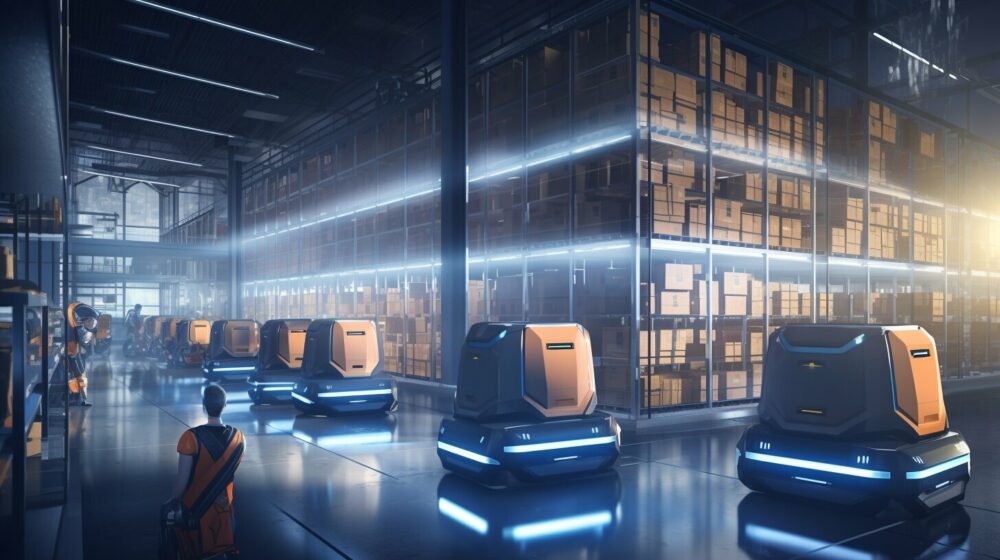
 In this article, we will explore the role of AI in supply chain management, specifically how AI is revolutionizing logistics by enabling better decision-making, reducing manual errors, and improving overall efficiency. We will delve into the benefits of AI-powered logistics management systems and showcase how AI-driven solutions such as autonomous vehicles, robotics, and intelligent warehouses can automate logistics processes. Furthermore, we will discuss the use of predictive analytics to enhance transportation and logistics operations and explore how AI can optimize the supply chain by streamlining operations.
Join us on this journey to discover how AI optimizes logistics and why businesses should embrace the future of supply chain management by adopting AI optimization in their logistics operations.
The Role of Artificial Intelligence in Supply Chain Management
Artificial intelligence (AI) is increasingly playing a crucial role in supply chain management, revolutionizing how companies operate and manage their logistics processes. With the help of machine learning algorithms and predictive analytics, AI is streamlining operations, optimizing logistics processes, and enabling more efficient and effective supply chain management.
AI-powered logistics management systems are transforming the way businesses operate, providing data-driven insights and decision-making capabilities in real-time. These systems can analyze vast amounts of data and derive insights that allow companies to optimize their processes and improve overall efficiency.
One of the key benefits of AI in supply chain management is the ability to automate and optimize logistics processes. From demand forecasting to inventory management, AI can analyze data and provide recommendations that can lead to more efficient operations and cost savings. For instance, AI can help companies optimize their transportation routes to reduce delivery times and lower transportation costs. It can also help companies manage their inventory levels more effectively, reducing the risk of stockouts and overstocking.
The Benefits of AI-Powered Logistics Management Systems
AI-powered logistics management systems offer a range of benefits to businesses. These systems can help businesses:
- Reduce logistics costs
- Improve delivery times
- Enhance inventory management
- Reduce manual errors
- Improve customer satisfaction
AI-powered logistics management systems can also help businesses make better decisions. By analyzing data from across their supply chain, companies can gain insights into their operations that were previously unavailable. These insights can help companies optimize their processes, reduce costs, and improve overall performance.
“AI-powered logistics management systems can help businesses reduce logistics costs, improve delivery times, enhance inventory management, reduce manual errors, and improve customer satisfaction.”
Overall, the role of AI in supply chain management is becoming increasingly important. With the help of predictive analytics and machine learning algorithms, businesses can optimize their processes, reduce costs, and improve overall performance. AI-powered logistics management systems are transforming the supply chain industry, enabling businesses to operate more efficiently, while providing real-time data-driven insights that can help them make better decisions.
Predictive Analytics and AI in Logistics
The use of predictive analytics in logistics is rapidly gaining traction in the supply chain industry. This is largely due to the ability of artificial intelligence (AI) algorithms to analyze large volumes of data and provide insights to optimize transportation and logistics operations.
Through predictive analytics, AI can analyze historical data to predict future demand patterns, optimize routes, and improve overall logistics planning and execution. By leveraging machine learning technology, logistics companies can develop predictive models that can identify potential bottlenecks and anticipate changing market dynamics. This approach allows companies to be more proactive in their decision-making processes, which can lead to significant cost savings and improved customer satisfaction.
AI-driven Transportation and Logistics
AI has the potential to revolutionize transportation and logistics operations, enabling greater efficiency and cost savings. By leveraging predictive analytics, AI-powered logistics platforms can analyze large volumes of data, such as shipping routes, weather patterns, and traffic flows, to optimize transportation planning and execution.
Furthermore, with the development of autonomous technologies, such as autonomous vehicles and drones, AI can enhance the speed and accuracy of transportation and logistics processes. Autonomous vehicles can automate delivery routes and reduce the need for human intervention, while drones can provide faster shipping times and improved last-mile delivery capabilities.
The Benefits of AI-driven Logistics
The benefits of AI-driven logistics extend beyond cost savings and increased efficiency. AI-powered logistics systems can also provide greater visibility into supply chain operations, enabling companies to better manage inventory levels and reduce wastage.
Additionally, AI can help companies to improve customer satisfaction through real-time tracking and monitoring of shipments. With AI-enabled logistics platforms, customers can receive accurate and up-to-date information about their shipments, reducing the likelihood of delays and improving overall satisfaction.
Overall, the use of predictive analytics and AI in logistics is rapidly transforming the supply chain industry, enabling companies to optimize their operations and improve customer satisfaction. As the technology continues to advance, we can expect to see even greater benefits and opportunities for growth in the logistics industry.
Autonomous Logistics: Enhancing Efficiency with AI
Autonomous logistics is the way of the future, and AI plays a crucial role in enabling greater efficiency in supply chain management. AI-driven solutions such as autonomous vehicles, robotics, and intelligent warehouses are already being implemented by leading companies in the logistics industry, and the results are impressive.
Autonomous vehicles powered by AI are capable of optimizing routes, reducing delivery times, and minimizing fuel consumption. These vehicles can also be equipped with sensors and cameras to monitor road conditions and detect obstacles, making them safer and more reliable than traditional vehicles.
| AI-Driven Autonomous Logistics Solutions | Benefits |
|---|---|
| Autonomous vehicles | Route optimization, reduced delivery times, minimized fuel consumption, improved safety |
| Robotics | Automated loading and unloading, improved warehouse efficiency, reduced labor costs |
| Intelligent warehouses | Real-time inventory management, enhanced supply chain visibility, increased accuracy |
Robotics is another promising AI-driven logistics solution. Automated loading and unloading systems can significantly improve warehouse efficiency and reduce labor costs. Robots can also be used for inventory management, order picking, and other repetitive tasks, freeing up employees to focus on more complex operations.
Intelligent warehouses equipped with AI-powered sensors and systems can provide real-time inventory management, enhance supply chain visibility, and increase accuracy. This can help companies make better decisions, reduce waste, and improve overall efficiency.
Autonomous Logistics: Enhancing Efficiency with AI
As AI continues to advance, the potential for autonomous logistics solutions will only continue to grow. While there are still challenges to be addressed, such as regulatory hurdles and the need for improved data security, the benefits of AI-driven logistics are clear. It’s time for the logistics industry to embrace the future and unlock the full potential of AI in supply chain management.
Optimizing the Supply Chain with AI
Artificial intelligence is revolutionizing the way businesses manage their supply chains. Through advanced algorithms and predictive analytics, AI can optimize multiple aspects of logistics, from demand forecasting to inventory management, real-time tracking to supplier relationship management. Here, we’ll take a closer look at how AI is transforming supply chain management.
Demand Forecasting
AI can analyze historical data and use machine learning algorithms to accurately predict demand for products and services. This can help businesses to better plan their inventory and adjust their production schedules, reducing waste and improving efficiency.
| Benefits of AI in Demand Forecasting | Challenges in Implementing AI |
|---|---|
|
|
Inventory Management
AI can also optimize inventory management by analyzing data on past sales, current stock levels, and other relevant factors to suggest the optimal order quantities and reorder points for businesses. This can reduce waste and prevent stockouts, ultimately leading to cost savings.
Real-Time Tracking
With AI-powered tracking systems, businesses can monitor their products and shipments in real-time, making it easier to detect potential delays or other issues that may affect delivery. This can help businesses to proactively address these problems and ensure timely delivery to customers.
Supplier Relationship Management
AI can help businesses to manage their relationships with suppliers more effectively by analyzing data on supplier performance, costs, and other factors. This can enable businesses to identify the best suppliers for their needs and negotiate more favorable terms and prices.
Overall, AI has the potential to bring significant improvements to the way businesses manage their supply chains. By optimizing logistics processes and enabling more efficient and effective supply chain operations, AI can help businesses to reduce costs, enhance customer relations, and improve their bottom line.
AI: A Game Changer for Efficient Supply Chain Management
Artificial intelligence is revolutionizing supply chain management, enabling organizations to make better decisions, reduce manual errors, and improve overall efficiency. In this section, we will explore some of the ways in which AI is being used to optimize supply chain operations.
Route Optimization
One of the primary ways in which AI is being used to optimize supply chain operations is through route optimization. By analyzing real-time data, AI algorithms can identify the most efficient routes for deliveries and provide real-time updates to drivers. This not only reduces transportation costs but also ensures faster delivery times and better customer satisfaction.
Warehouse Management
AI is also being used to optimize warehouse operations. By analyzing historical data and predicting future demand, AI algorithms can help organizations optimize inventory levels and reduce warehousing costs. Intelligent warehouse management systems can also automate various processes such as picking, packing, and shipping, leading to greater efficiency and accuracy.
Order Fulfillment
AI can also help organizations optimize order fulfillment by streamlining processes such as order processing, inventory management, and logistics planning. By automating various aspects of order fulfillment, organizations can reduce lead times, lower costs, and improve customer satisfaction.
In conclusion, AI is a game changer for efficient supply chain management. By optimizing everything from routes and warehouses to order fulfillment, AI is helping organizations achieve significant improvements in efficiency, cost reduction, and customer satisfaction. Businesses that embrace AI optimization in their logistics operations will be better positioned to compete in today’s rapidly evolving market.
Overcoming Challenges in Implementing AI in Logistics
Despite the numerous benefits of AI in logistics, implementing AI systems can be challenging and complex. As with any emerging technology, there are several obstacles that businesses must overcome to fully embrace AI-driven logistics. Below we explore some of the challenges and potential solutions:
Data Security
One major concern with implementing AI in logistics is the security of data. AI systems require vast amounts of data to function effectively. However, this same data can be a target for cyber attacks and data breaches.
One solution is to implement robust data security measures such as encryption, two-factor authentication, and regular vulnerability assessments. Additionally, businesses should work with AI vendors who have a proven track record of securing customer data.
Integration with Existing Systems
Integrating AI systems with existing logistics systems can be a difficult task. Older legacy systems may not be compatible with newer AI solutions, which can cause delays and increased costs.
One solution is to adopt a phased approach to AI implementation, starting with smaller pilot projects that can be integrated with existing systems before scaling up to larger AI-driven solutions.
Workforce Adoption
Workers may be resistant to AI technology, fearing that it may replace their jobs. This can lead to a lack of enthusiasm and acceptance of new AI systems, making it difficult to fully realize the benefits of AI in logistics.
One solution is to involve workers in the implementation process, providing training and education on how AI systems work, how they can benefit the business and customers, and how they can work alongside AI solutions to enhance efficiency and productivity.
The Future of AI in Logistics
As the logistics industry continues to evolve and adopt new technologies, the future of AI in logistics holds much promise. The potential applications of AI extend far beyond the current capabilities, and emerging technologies such as blockchain, IoT, and deep learning are expected to further enhance AI-driven logistics operations.
One area where AI is expected to play a crucial role is in last-mile delivery. With the rise of e-commerce, the demand for faster and more efficient delivery is increasing, and AI-powered delivery drones and autonomous vehicles could help meet this demand while reducing costs and carbon emissions.
| Benefits of AI in Logistics | Potential Future Applications |
|---|---|
|
|
However, along with the opportunities, there are also potential challenges and ethical considerations associated with the use of AI in logistics. As AI systems become more advanced, the role of humans in the logistics industry may change, and there may be a need for further regulation and oversight to ensure the ethical use of AI.
Despite these challenges, the future of AI in logistics remains bright, and those businesses that embrace AI optimization in their logistics operations are likely to benefit from increased efficiency, reduced costs, and improved customer satisfaction.
Case Studies: Successful Implementation of AI in Logistics
Several companies have already embraced AI-powered logistics and have experienced significant improvements in their supply chain management operations. Here are some successful case studies:
| Company | AI Solution | Benefits |
|---|---|---|
| DHL | AI-powered predictive analytics for route optimization and demand forecasting | Reduced delivery times by 30%, lowered fuel consumption by 10%, and improved customer satisfaction by 95% |
| UPS | Autonomous vehicles and drone deliveries, AI-powered route optimization, and predictive maintenance | Increased delivery efficiency and reduced human errors, resulting in cost savings of $50 million annually |
| Maersk | AI-driven container tracking and predictive maintenance | Reduced carbon emissions by 1.2 million tons and saved $100 million in fuel costs annually |
These companies have shown that embracing AI optimization in logistics can result in significant cost savings, increased efficiency, and improved customer satisfaction.
Future Challenges and Opportunities in AI-Optimized Logistics
The adoption of artificial intelligence in logistics operations is not without its challenges and future considerations. As businesses continue to embrace this technology, they must also be aware of potential ethical considerations, the need for continuous innovation, and the role of human expertise alongside AI systems.
One of the challenges that arise with the widespread implementation of AI in logistics is the potential threat to data security. As AI-driven systems rely heavily on data, it is crucial that businesses ensure the protection of sensitive information and prevent data breaches.
Another challenge is the integration of AI systems with existing logistics processes and technology. Companies must ensure that AI applications are compatible with their current operations and that any new systems are effectively integrated without causing disruption or downtime.
Furthermore, while AI systems can significantly enhance logistics operations, they cannot entirely replace the need for human expertise. Businesses must recognize the value of human decision-making and continue to invest in developing and training their workforce to work effectively alongside AI-driven systems.
The integration of blockchain technology and the Internet of Things (IoT) presents significant opportunities for the future of AI-optimized logistics. Both technologies can enhance the efficiency and transparency of logistics processes and enable innovative solutions for supply chain management.
As AI continues to evolve and advance, businesses must also invest in continuous innovation to stay ahead of the competition. The ability to adapt and adopt new technologies will be crucial in maintaining a competitive edge in the logistics industry.
Overall, while challenges and considerations arise with the implementation of AI in logistics, the benefits are undeniable. As businesses embrace the future of supply chain management, AI optimization will enable greater efficiency, cost reduction, and customer satisfaction.
Conclusion: Embrace the Power of AI in Logistics
As we have seen, the introduction of AI in logistics has the potential to revolutionize supply chain management. By optimizing logistics processes, AI-powered systems can reduce costs, improve efficiency, and enhance customer satisfaction.
While there are challenges associated with implementing AI in logistics, such as data security and integration with existing systems, it is crucial for businesses to embrace this technology for sustainable growth and competitive advantage.
The future of AI in logistics holds even more promise with emerging technologies such as blockchain, Internet of Things (IoT), and deep learning. As AI continues to evolve, it is important to continually innovate and remain aware of potential ethical considerations.
Embracing the power of AI in logistics is the key to unlocking the full potential of supply chain management. By adopting AI optimization, businesses can successfully navigate the challenges of today’s market and create sustainable growth for a brighter tomorrow.
AI Optimizes Logistics: Embrace the Future of Supply Chain Management
As the world becomes increasingly digitalized, the logistics industry is undergoing a profound transformation. With AI optimization, businesses can streamline supply chain operations, reduce costs, and enhance customer satisfaction. By embracing this technology, companies can gain a competitive advantage and future-proof their logistics operations for sustainable growth.
Embracing Innovation
With the pace of technological innovation accelerating, businesses must adapt to stay ahead of the curve. AI is poised to play a transformative role in logistics, with the potential to revolutionize the entire supply chain. Companies that embrace AI-driven logistics optimization now will be better positioned to capitalize on emerging opportunities and overcome future challenges.
By utilizing AI-powered logistics systems, companies can improve route optimization, warehouse management, order fulfillment, and more, allowing them to achieve unprecedented efficiency and cost savings. With AI-enabled predictive analytics, companies can better anticipate demand and optimize inventory management to minimize stockouts. And with autonomous logistics solutions, companies can reduce reliance on human labor, minimize errors, and improve process flow.
Staying Ahead of the Curve
While AI presents promising opportunities, it also raises new challenges and concerns. Companies must ensure data security, align with existing systems, and manage workforce adoption. However, the benefits of AI optimization far outweigh the costs, with companies that embrace this technology benefiting from significant competitive advantages.
As AI continues to evolve, businesses must remain vigilant and responsive, investing in continuous innovation and adapting to meet new demands. Those who do so will be better positioned to thrive in the dynamic logistics industry of tomorrow.
Embrace the future of supply chain management by integrating AI optimization into your logistics operations, and stay ahead of the curve in a rapidly transforming industry.
Key Takeaways
- AI is revolutionizing supply chain management by enabling better decision-making, reducing errors, and improving efficiency through data analysis.
- AI-powered logistics management systems provide real-time insights and recommendations to optimize processes like transportation, inventory management, and demand forecasting.
- Predictive analytics allows AI to analyze data to anticipate bottlenecks, optimize routes, and improve logistics planning. Autonomous vehicles and drones enhance speed and accuracy.
- Intelligent warehouses use AI for inventory management and tracking. Robotics improves warehouse efficiency and reduces labor costs. Overall, autonomous logistics powered by AI increases efficiency.
- AI helps optimize supply chain operations like demand forecasting, inventory management, real-time tracking of shipments, and supplier relationship management. This leads to reduced costs and waste.
- Implementing AI in logistics faces challenges like data security, integrating with legacy systems, and workforce adoption. But the benefits outweigh the costs.
At Tekrati, we deliver engaging tech news stories and in-depth analysis to keep you on the cutting edge. We cover AI, computing, smartphones, cybersecurity and all tech innovations with curiosity and clarity. We believe technology empowers progress when guided by diverse perspectives. Visit Tekrati.com to explore the future of tech through our thoughtful articles, how-tos and interviews.
The post AI Optimizes Logistics: Revolutionizing Supply Chain Management first appeared on Tekrati and is written by Khezia
]]>
AI Improves Manufacturing: Revolutionizing Production Efficiency
In recent years, the manufacturing industry has undergone a significant transformation with the widespread adoption of artificial intelligence (AI) technology. AI has revolutionized manufacturing processes by improving efficiency, reducing costs, and enhancing product quality. Through the use of advanced AI algorithms, manufacturers can optimize their operations, increase productivity, and streamline supply chains. AI improves manufacturing [...]
The post AI Improves Manufacturing: Revolutionizing Production Efficiency first appeared on Tekrati and is written by Khezia
]]>AI Improves Manufacturing: Revolutionizing Production Efficiency
In recent years, the manufacturing industry has undergone a significant transformation with the widespread adoption of artificial intelligence (AI) technology. AI has revolutionized manufacturing processes by improving efficiency, reducing costs, and enhancing product quality. Through the use of advanced AI algorithms, manufacturers can optimize their operations, increase productivity, and streamline supply chains. AI improves manufacturing in many ways, making it a crucial part of the modern manufacturing landscape.
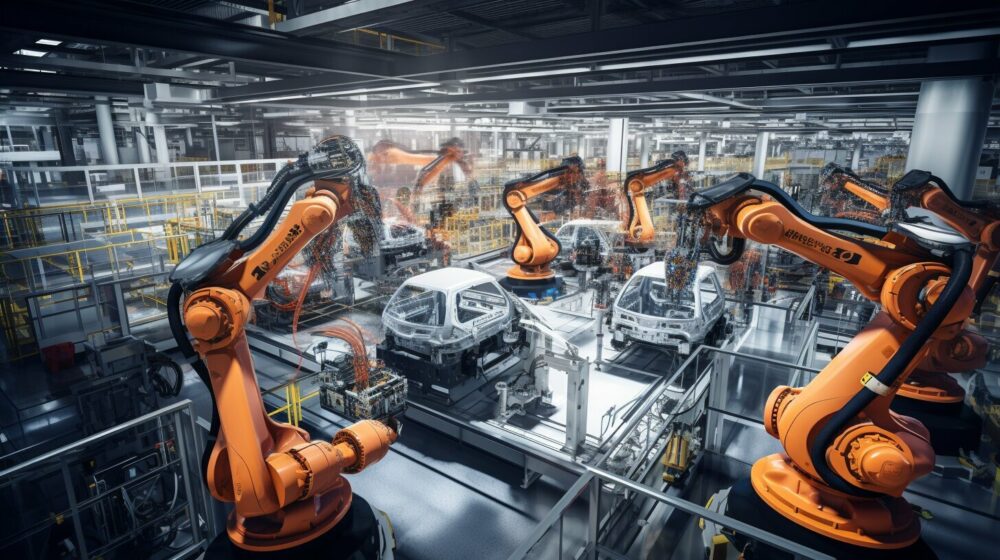
 AI Solutions for Manufacturing
Artificial Intelligence (AI) technology is being increasingly integrated into manufacturing processes to streamline operations and improve efficiency. The following are some of the AI solutions that are being utilized to optimize manufacturing:
Predictive Maintenance
AI algorithms are being used to predict when equipment maintenance is required, reducing the risk of unexpected downtime. AI-enabled predictive maintenance can save costs for businesses by minimizing the need for manual inspections and increasing the lifespan of equipment and machinery.
Quality Control
AI is improving quality control by helping to identify defects and anomalies that are difficult for human operators to detect. Computer vision systems, for example, can inspect products with greater accuracy and speed, reducing the risk of product recalls and improving product quality.
Supply Chain Optimization
AI is being used to optimize the supply chain, from forecasting demand to managing inventory levels and improving logistics. This optimization can help reduce costs and improve product availability, ensuring that products are delivered to customers in a timely and efficient manner.
Inventory Management
AI can automate inventory management by tracking stock levels, predicting demand, and identifying slow-moving items. This information can help businesses optimize their inventory levels, reducing the risk of overstocking or stockouts and minimizing waste.
Incorporating these AI solutions into manufacturing processes can result in significant improvements in efficiency, productivity, and profitability.
AI Advancements in Manufacturing
Recent advancements in AI technology are revolutionizing the way manufacturing processes are optimized, leading to significant benefits for businesses. The use of AI in manufacturing has resulted in cost reduction, increased productivity, improved product quality, and enhanced safety, among others.
One of the major advancements in AI technology for manufacturing is the ability to analyze large datasets to identify patterns and optimize production schedules. By utilizing AI algorithms, businesses can create more accurate demand forecasts, minimize inventory costs, and reduce waste.
Another significant advancement in AI technology is its ability to automate various tasks in the manufacturing industry. With AI-powered robots and machines, businesses can streamline operations, reduce the risk of injuries, and improve overall efficiency. Furthermore, AI-driven automation frees up human workers to focus on more complex and creative tasks, leading to higher job satisfaction and better output.
AI is also driving manufacturing processes towards a smarter and more sustainable future. Businesses can optimize energy consumption and reduce waste by using AI to monitor and analyze production processes in real-time. Additionally, AI can enable proactive maintenance, identifying equipment issues before they turn into costly breakdowns.
As AI continues to evolve, the potential for its application in manufacturing is limitless. With the continued growth of machine learning and computer vision, AI holds the promise of more energy-efficient manufacturing processes, real-time quality control, and personalized mass-production.
Businesses that embrace AI technology can gain a competitive edge in the market, paving the way for improved efficiency and profitability.
AI Optimization for Manufacturing
AI technology is changing the way manufacturing companies operate, utilizing data analytics to optimize production processes and reduce costs. One of the ways AI is optimizing manufacturing is through its ability to analyze large datasets and identify patterns.
With AI algorithms, manufacturers can better predict which products will be in demand and adjust production schedules accordingly. They can also optimize inventory management and supply chain operations, reducing waste and streamlining processes.
| Benefits of AI Optimization for Manufacturing | Examples |
|---|---|
| Increased productivity | AI-powered robots and machines can perform repetitive or dangerous tasks, freeing up human workers for more complex tasks. |
| Improved quality control | AI can identify defects in products faster and more accurately than humans, reducing the likelihood of faulty products reaching consumers. |
| Cost reduction | By optimizing production schedules and supply chain operations, manufacturers can reduce costs associated with excess inventory and inefficient processes. |
Overall, AI optimization is helping manufacturers save time and money while improving the quality of their products. As AI technology continues to advance, manufacturers will undoubtedly find even more innovative ways to apply it to their operations.
AI Automation in Manufacturing
AI-powered robots and machines are increasingly being used in the manufacturing industry to automate various tasks. This has led to improved efficiency and reduced costs, as well as increased safety for workers.
One of the key benefits of AI automation in manufacturing is the ability to perform repetitive tasks with high precision. This can greatly reduce the risk of errors and defects in production. Additionally, AI-powered robots can perform tasks that are too dangerous or difficult for human workers, such as working with hazardous materials or in extreme temperatures.
| Task | AI Solution |
|---|---|
| Assembly line | Robotic arms can perform repetitive tasks with high precision |
| Packaging | Robots can automatically package products with minimal human intervention |
| Inspection | AI-powered cameras can detect defects in products with greater accuracy than human inspection |
AI automation is also helping to reduce the workload of human workers in the manufacturing industry. This can free up time for workers to focus on more complex tasks that require human expertise, such as quality control and problem-solving.
However, the implementation of AI automation in manufacturing also raises concerns about job displacement. As machines become increasingly capable of performing tasks previously done by humans, it’s possible that some jobs may become obsolete. It’s important for businesses to consider the impact of AI automation on their workforce and take steps to reskill and train workers for new roles.
AI-Driven Manufacturing Processes
AI is driving the manufacturing industry towards a smarter and more sustainable future. Manufacturing processes that are optimized with AI can lead to significant improvements in energy consumption, waste reduction, and proactive maintenance. This not only helps businesses reduce their environmental impact, but also leads to long-term cost savings.
AI-powered optimization allows manufacturers to fine-tune their energy consumption by taking advantage of off-peak rates, adjusting their consumption based on production forecasts and reducing their overall usage. This kind of energy consumption optimization can lead to significant HVAC energy savings, lighting control optimization and more. Such AI strategies are increasingly being employed by environmentally conscious manufacturers.
AI can also be used to reduce waste in manufacturing processes by identifying areas of excess usage or by helping businesses analyze and fine-tune their supply chain to reduce unnecessary waste. This not only has environmental benefits but also contributes directly to a company’s bottom line through reduced costs.
Another way AI is driving manufacturing processes is through proactive maintenance. With AI analytics, manufacturers can monitor equipment and assets in real-time, detecting faults and scheduling maintenance before issues occur. This not only reduces downtime but also ensures safety and helps prevent accidents in the workplace.
Overcoming Challenges in Implementing AI in Manufacturing
Integrating AI technology into manufacturing processes comes with various challenges that need to be considered for successful adoption. Below are some of the most significant challenges:
Cost
As with any new technology, implementing AI in manufacturing can come with a hefty upfront cost. Depending on the size of the business and the complexity of the AI solution, the investment required for AI integration could be substantial. However, it is important to note that AI can also lead to significant cost savings in the long run.
Integration with existing systems
A major challenge in implementing AI in manufacturing is integrating it with existing systems. Since most manufacturing plants already have a range of legacy systems in place, finding a way to seamlessly integrate AI with these systems can be a complex process. This requires careful planning and coordination to ensure that AI works smoothly with existing systems.
Workforce training
Introducing AI into a manufacturing plant means that workers will need to be trained to operate and maintain the new technology. This requires investing time and resources in training programs to ensure that workers are equipped with the necessary skills and knowledge to work alongside AI-powered machines.
Data security
Integrating AI into manufacturing processes can lead to increased data collection and analysis. This can raise concerns about data privacy and security. Businesses need to ensure that they have the necessary security measures in place to protect sensitive data from cyber threats.
Despite these challenges, businesses that successfully integrate AI into manufacturing can achieve significant improvements in production efficiency and competitiveness. Overcoming these challenges requires careful planning, a strategic approach, and a willingness to invest in the future.
Future of AI in Manufacturing
The future of AI in manufacturing looks promising, with emerging and evolving technologies poised to transform the industry. Machine learning, for example, can analyze vast amounts of data to improve predictive maintenance and optimize production processes. Computer vision, on the other hand, can enable machines to identify and classify objects, improving quality control and safety.
The role of human workers in this AI-driven landscape is also a topic of discussion. While AI can automate various tasks, humans will still play a crucial role in overseeing and managing these processes. The need for upskilling and reskilling workers will be paramount to ensure they can work effectively alongside AI-powered machines and algorithms.
Challenges and Concerns
Of course, there are challenges and concerns that need to be addressed as AI continues to transform the manufacturing industry. One major concern is cybersecurity, as increased automation and data sharing can lead to vulnerabilities in the system. Additionally, the cost of implementing AI technology and integrating it with existing systems can be a barrier for some businesses.
Another concern is the potential displacement of workers and the impact on the workforce. While AI can improve efficiency and reduce costs, it can also lead to job loss in certain areas. Ensuring a just transition for workers and investing in training programs is essential in mitigating these effects.
Opportunities and Advancements
Despite these challenges, the opportunities and advancements in AI technology are too significant to ignore. From reducing waste and improving sustainability to increasing productivity and enhancing product quality, the benefits of AI in manufacturing are numerous.
As the technology continues to advance, it will be interesting to see how AI is further integrated into manufacturing processes and how businesses adapt to this changing landscape.
Case Studies: AI Success Stories in Manufacturing
AI technology has significantly transformed the manufacturing industry, and many companies have already experienced the benefits firsthand. Let’s take a look at some success stories:
| Company | AI Solution | Results |
|---|---|---|
| Ford | Predictive Maintenance | Ford’s AI-powered system can detect potential manufacturing issues before they occur, reducing unplanned downtime by 50%. |
| Siemens | Supply Chain Optimization | Siemens implemented an AI-powered supply chain system that resulted in a 15% reduction in transportation costs and a 20% reduction in inventory costs. |
| Intel | Quality Control | Intel’s AI-enabled system can rapidly identify defects during the manufacturing process, resulting in a 30% reduction in quality control time and a 50% reduction in false positives. |
These case studies demonstrate how AI can improve production efficiency, reduce costs, and enhance product quality in manufacturing. They also highlight the diverse range of AI solutions that are being implemented in the industry, from predictive maintenance to supply chain optimization.
Ethical Considerations: AI Improves Manufacturing
As AI becomes increasingly prevalent in the manufacturing industry, there are several ethical considerations that need to be addressed to ensure responsible and ethical use of this technology.
One major concern is data privacy. As AI algorithms rely heavily on data, companies need to be transparent about what data they are collecting and how it is being used. It is crucial to ensure that sensitive information, such as employee data, is not being misused or mishandled.
Another consideration is the potential for job displacement. While AI can improve efficiency and productivity, it can also render certain jobs obsolete. It is important for companies to provide training and support for employees who may be affected by AI implementation.
Bias in AI algorithms is another issue that needs to be addressed. AI algorithms can perpetuate existing biases in data and result in discriminatory outcomes. Companies need to ensure that their AI systems are designed to be fair and unbiased, and that they are regularly audited to detect and correct any biases.
Finally, it is essential to consider the broader societal implications of AI in manufacturing. As AI becomes more sophisticated, it is possible that it may lead to a concentration of power in the hands of a few large companies. It is important to promote diversity and competition in the development and application of AI to avoid this scenario.
Conclusion: Harnessing the Power of AI in Manufacturing
As we have seen, AI technology is transforming the manufacturing industry, providing businesses with unprecedented opportunities to improve their production efficiency, quality, and sustainability. Through predictive maintenance, inventory management, and supply chain optimization, AI is streamlining processes and reducing costs.
The recent advancements in AI technology are making it possible for businesses to optimize their manufacturing processes even further. AI algorithms can analyze vast amounts of data, identify patterns, and make accurate predictions about demand and production schedules. This enables businesses to make informed decisions, reduce waste, and improve overall efficiency.
Ethical Considerations in AI-Driven Manufacturing
However, it is important to note that the adoption of AI technology in manufacturing also raises ethical considerations. Data privacy, job displacement, and bias in AI algorithms are just some of the issues that need to be addressed to ensure the responsible and ethical use of AI technology.
In conclusion, the transformative power of AI in manufacturing cannot be denied. As businesses seek to remain competitive in an increasingly globalized market, the adoption of AI technology may be the key to unlocking greater efficiency, cost reductions, and sustainability. By embracing AI technology and addressing the ethical considerations that come with it, businesses can achieve greater success both now and in the future.
Key takeaways on how AI is improving manufacturing:
- AI is revolutionizing manufacturing processes by optimizing operations, increasing productivity, and streamlining supply chains. Solutions like predictive maintenance, quality control, inventory management are being used.
- Recent advancements allow AI to analyze large datasets to identify patterns and optimize production schedules. This leads to more accurate demand forecasts, reduced costs, and less waste.
- Implementing AI automation enables tasks like assembly, packaging, and inspection to be performed with high precision and consistency by robots. This reduces errors and frees up humans for more complex work.
- AI is driving manufacturing towards smarter, more sustainable processes by optimizing energy use, reducing waste, and enabling proactive maintenance through real-time monitoring.
- Key challenges in implementing AI include upfront costs, integrating with legacy systems, training workers, and ensuring data security. However, the long-term benefits outweigh the challenges.
- The future looks promising as emerging technologies like machine learning and computer vision are poised to further transform manufacturing. But concerns around cybersecurity, job displacement, and bias need addressing.
- Case studies show AI improving efficiency, reducing costs, and enhancing quality in manufacturing across companies like Ford, Siemens, and Intel.
- Ethical use of AI in manufacturing needs considering issues like privacy, job displacement, algorithmic bias, and concentration of power.
At Tekrati, we deliver engaging tech news stories and in-depth analysis to keep you on the cutting edge. We cover AI, computing, smartphones, cybersecurity and all tech innovations with curiosity and clarity. We believe technology empowers progress when guided by diverse perspectives. Visit Tekrati.com to explore the future of tech through our thoughtful articles, how-tos and interviews.
The post AI Improves Manufacturing: Revolutionizing Production Efficiency first appeared on Tekrati and is written by Khezia
]]>
Predictive Analytics for Antimicrobial Resistance
Predictive analytics for healthcare is revolutionizing the healthcare industry by leveraging the power of data-driven insights. One of the most crucial areas where predictive analytics is making a significant impact is in combating antimicrobial resistance (AMR). AMR has become a global threat, making it difficult to treat infectious diseases that were once easily curable. Predictive [...]
The post Predictive Analytics for Antimicrobial Resistance first appeared on Tekrati and is written by Khezia
]]>Predictive Analytics for Antimicrobial Resistance
Predictive analytics for healthcare is revolutionizing the healthcare industry by leveraging the power of data-driven insights. One of the most crucial areas where predictive analytics is making a significant impact is in combating antimicrobial resistance (AMR).
AMR has become a global threat, making it difficult to treat infectious diseases that were once easily curable. Predictive analytics plays a vital role in predicting and managing AMR by analyzing data from previous cases and identifying patterns and trends.
The Rise of Predictive Analytics in Healthcare
The healthcare industry has been undergoing rapid digital transformation in recent years, and one of the most significant advancements is the rise of predictive analytics. This technology utilizes big data analysis, machine learning, and artificial intelligence (AI) to make predictions about future health outcomes and healthcare needs. By tapping into vast amounts of patient data, predictive analytics can offer insights into everything from disease risk to treatment effectiveness.
The Benefits of Robot-Assisted Surgery
One specific example of the impact of predictive analytics in healthcare is robot-assisted surgery. Robotic systems equipped with predictive analytics capabilities can help surgeons navigate complex procedures with greater precision and accuracy. This can lead to significantly better outcomes and faster healing for patients. Additionally, robot-assisted surgery can increase efficiency and reduce costs for healthcare providers.
Artificial intelligence is also revolutionizing the way healthcare professionals approach their work. With the help of predictive analytics, doctors can make more informed decisions about treatment plans, drug dosages, and patient care. AI-powered systems can assist with everything from imaging analyses to predicting disease progression.
The Rise of Predictive Analytics in Healthcare
The rapid growth of predictive analytics in healthcare is being driven by a number of factors. These include increasing amounts of data being collected from electronic health records, wearable devices, and other sources; as well as advances in machine learning and AI. Predictive analytics is also helping to address some of the biggest challenges facing the healthcare industry, such as the rise of antimicrobial resistance.
In the next section, we will explore how predictive analytics is being used specifically to combat antimicrobial resistance, and the role it can play in predicting and managing this growing threat.
Predictive Analytics for Antimicrobial Resistance
Predictive analytics is a powerful tool in the healthcare industry. With the rise of antimicrobial resistance, it has become increasingly important to stay ahead of the curve. Predictive analytics can help us do just that.
Antimicrobial resistance is one of the most pressing public health threats of our time. It occurs when bacteria, viruses, and other microorganisms evolve and develop resistance to the drugs we use to treat them. This can lead to infections that are difficult, if not impossible, to treat.
Challenges posed by Antimicrobial Resistance
The challenges posed by antimicrobial resistance are many. Not only does it increase the risk of infection and mortality, but it can also prolong hospital stays, increase healthcare costs, and lead to the development of chronic health problems.
Furthermore, antimicrobial resistance can occur rapidly and unpredictably. This makes it difficult for healthcare providers to stay ahead of the curve and provide effective treatment options for their patients.
Predictive Analytics for Managing Antimicrobial Resistance
Predictive analytics can help in predicting and managing antimicrobial resistance more effectively. By analyzing large datasets, predictive analytics can identify patterns and trends that may not be immediately apparent to healthcare providers.
For example, predictive analytics can help identify patients who are at high risk for developing antimicrobial resistance. This can allow healthcare providers to take proactive measures, such as prescribing alternative therapies or using antimicrobial stewardship programs, to prevent resistance from occurring.
How Predictive Analytics Works in Healthcare
Predictive analytics in healthcare refers to the practice of extracting insights from large datasets to predict future outcomes and trends. By analyzing patient data, healthcare professionals can identify patterns, risk factors, and potential health issues before they become critical. This allows for proactive and personalized healthcare management that is tailored to individual patient needs.
Machine Learning and Artificial Intelligence in Predictive Analytics
Predictive analytics in healthcare relies heavily on machine learning and artificial intelligence. Machine learning algorithms can analyze large amounts of data to identify hidden patterns and correlations. This allows healthcare professionals to access insights that would be difficult or impossible to obtain using traditional methods.
Artificial intelligence, on the other hand, can help medical professionals improve accuracy in diagnosis and treatment recommendations. By analyzing large datasets of patient information and healthcare history, AI algorithms can provide personalized treatment plans that take into account individual characteristics and needs. AI-powered drug discovery companies also leverage predictive analytics to accelerate the development of new antibiotics and treatments.
Real-Time Monitoring and Decision Support
Predictive analytics in healthcare can also be used for real-time monitoring and decision support. By integrating data from medical devices, electronic health records, and other sources, healthcare professionals can receive alerts and notifications about patients in real-time. This allows for early intervention and proactive management of potential health issues.
Decision support systems enabled by predictive analytics can assist healthcare professionals in making informed decisions about patient care. By combining historical data with real-time data, decision support systems can provide recommendations and suggestions that are tailored to individual patient needs and circumstances.
Challenges and Limitations of Predictive Analytics in Healthcare
While predictive analytics holds great promise for the future of healthcare, there are also significant challenges and limitations that need to be addressed. One major challenge is data privacy and security; healthcare data is sensitive and must be protected from unauthorized access and misuse. Another challenge is the need for skilled professionals who can analyze and interpret the data to extract meaningful insights.
Additionally, predictive analytics in healthcare is not foolproof. There is always the potential for errors and false positives, which can lead to unnecessary treatments or interventions. Healthcare professionals must also be careful not to rely too heavily on predictive analytics, as it should be used as a tool to augment human expertise, not replace it.
The Benefits of Predictive Analytics in Healthcare
Predictive analytics is transforming the healthcare industry in a number of ways, with numerous benefits for patients and healthcare professionals alike.
Improving Patient Outcomes
By leveraging predictive analytics, healthcare providers can gain valuable insights into patient data, allowing them to identify potential health risks and intervene proactively. This can lead to earlier diagnoses and more effective treatments, resulting in improved patient outcomes.
Predictive analytics can also be used to tailor treatment plans for individual patients, taking into account their unique characteristics and medical history. This can result in more personalized care, better treatment outcomes, and fewer side-effects.
Enhancing Resource Allocation
With limited resources and rising healthcare costs, effective resource allocation is becoming increasingly important. Predictive analytics can help healthcare providers allocate resources more efficiently, by identifying high-risk patients, optimizing staffing levels, and predicting demand for services.
By using predictive analytics to predict demand for services and optimize staffing levels, healthcare providers can minimize wait times, reduce patient turnover, and improve the overall quality of care.
Streamlining Decision-Making Processes
With a wealth of healthcare data now available, healthcare providers are often faced with complex and time-consuming decision-making processes. Predictive analytics can help streamline these processes, by providing insights into patient data, identifying trends and patterns, and predicting outcomes.
By using predictive analytics to inform decision-making, healthcare providers can make faster, more accurate decisions, resulting in better patient outcomes and improved overall efficiency.
The Role of Predictive Analytics in Personalized Medicine
Predictive analytics is rapidly transforming the landscape of personalized medicine. By analyzing vast datasets of patient information, predictive analytics can identify specific characteristics that impact treatment effectiveness and tailor plans accordingly. This allows for more targeted and effective care, ultimately improving patient outcomes.
Benefits of Personalized Medicine
Personalized medicine has the potential to revolutionize healthcare in a number of ways. By tailoring treatments based on specific patient characteristics, it can reduce the likelihood of adverse reactions and minimize the need for trial-and-error experimentation. It can also lead to more efficient use of resources, as patients receive only the treatments that are most likely to benefit them. Ultimately, personalized medicine can improve quality of life and extend lifespan for patients with complex medical conditions.
The Role of Predictive Analytics in Personalized Medicine
Predictive analytics plays a critical role in enabling personalized medicine to reach its full potential. By analyzing vast amounts of data and identifying patterns in patient responses to specific treatments, predictive analytics can help clinicians select the most effective course of action for each patient. This can minimize the need for ineffective treatments, reduce the risk of adverse reactions, and improve patient outcomes.
One of the most promising applications of predictive analytics in personalized medicine is in oncology. By analyzing large datasets of patient information, researchers can identify genetic mutations that are associated with specific types of cancer. This information can be used to design targeted treatments that are more effective and less toxic than traditional chemotherapy. Predictive analytics can also be used to identify patients who are at high risk for developing certain types of cancer, allowing for early detection and intervention.
Predictive Analytics in Healthcare: Ethical Considerations
The use of predictive analytics in healthcare offers many potential benefits, from improving patient outcomes to enhancing resource allocation and streamlining decision-making processes. However, as with any new technology, there are ethical considerations to be addressed.
Will Artificial Intelligence Replace Doctors?
One of the most significant ethical concerns surrounding predictive analytics in healthcare is the potential for artificial intelligence to replace doctors and other healthcare professionals. While AI has the potential to provide valuable insights and improve the speed and accuracy of diagnoses, it cannot replace the human expertise and empathy that are essential in healthcare.
It is crucial to recognize the limitations of AI and to maintain a balance between human expertise and AI-driven insights. Predictive analytics should be seen as a tool to supplement and support healthcare professionals, rather than a replacement for their expertise.
Privacy and Data Security
Another ethical concern related to predictive analytics in healthcare is privacy and data security. The use of large datasets to train predictive models raises concerns about the security and confidentiality of patient data.
It is essential to establish robust data security measures to protect patient privacy and prevent unauthorized access to sensitive information. Healthcare organizations must also be transparent about their data collection and use practices, and ensure that patients have control over their data.
Implications for Healthcare Equity
Finally, the use of predictive analytics in healthcare may have implications for healthcare equity. The use of predictive models to identify and prioritize high-risk patients may inadvertently perpetuate existing inequalities in healthcare.
It is important to recognize these potential biases and to ensure that predictive analytics are used in an equitable and responsible manner. Healthcare organizations should strive to identify and address any systemic biases in their data and algorithms to ensure fair and equitable healthcare for all patients.
The Future of Predictive Analytics in Healthcare
Predictive analytics is rapidly transforming the healthcare industry, and the future looks promising. Emerging trends and applications are opening up new possibilities for improving patient outcomes, enhancing resource allocation, and streamlining healthcare management. Here are some potential future applications of predictive analytics in healthcare:
AI-Driven Diagnosis and Treatment Recommendations
Similar to the way AI is being used to develop new drugs, predictive analytics could soon be used to develop AI-powered diagnosis and treatment recommendations. By analyzing large datasets and identifying patterns that are too complex for human analysis, AI could provide more accurate and informed recommendations for healthcare professionals. This could lead to more personalized and effective treatment plans for patients, as well as better resource allocation for healthcare providers.
Remote Patient Monitoring
Remote patient monitoring is already in use, but predictive analytics could further enhance its capabilities. By collecting and analyzing data from wearable devices and other sensors, healthcare professionals could gain valuable insights into a patient’s health in real-time. This could enable early detection of potential health issues and more personalized treatment plans.
Proactive Healthcare Management
Predictive analytics could also play a crucial role in proactive healthcare management. By identifying potential health risks based on a patient’s medical history and other factors, healthcare professionals could take a proactive approach to disease prevention and management. This could lead to a healthier population and reduced healthcare costs.
The possibilities for predictive analytics in healthcare are virtually endless. As AI and machine learning technologies continue to advance, we can expect to see even more innovative applications in healthcare management and treatment.
The post Predictive Analytics for Antimicrobial Resistance first appeared on Tekrati and is written by Khezia
]]>
Youtube Brings Back Human Moderators to Fix AI Mistakes
During the pandemic, YouTube had to relieve its human moderators. Now, though, YouTube is bringing them back to correct the errors by their AI replacements. The new AI moderators had flagged or removed content by mistake. YouTube Content Moderation The company told The Financial Times about the effects of AI moderation on their content. In [...]
The post Youtube Brings Back Human Moderators to Fix AI Mistakes first appeared on Tekrati and is written by Irene Hawkins
]]>Youtube Brings Back Human Moderators to Fix AI Mistakes
During the pandemic, YouTube had to relieve its human moderators. Now, though, YouTube is bringing them back to correct the errors by their AI replacements. The new AI moderators had flagged or removed content by mistake.
YouTube Content Moderation
The company told The Financial Times about the effects of AI moderation on their content. In the report, YouTube said that using AI drove up incorrect content removal or takedowns.
YouTube brings back more human moderators after AI systems over-censor https://t.co/Dg2GTq695r pic.twitter.com/nf5ocmjAfS
— The Verge (@verge) September 22, 2020
In March, YouTube had said that they would lean on their AI to flag or remove content. The AI moderators would delete content on hate speech or fake news.
How Many Videos Did YouTube’s AI Remove?
According to The Verge, YouTube’s AI deleted about 11 million videos between April and June. The machines doubled the site’s usual removal rate. In response, around 320,000 users appealed. As a result, the AI restored about half of the removed content.
This trend could imply that YouTube’s AI has become “over-zealous” in scouring for harmful videos. Along with other social media platforms, YouTube has faced pressure to crack down on hate speech and fake news. They all said that they needed to use AI and algorithms to weed them out.
Other AI Mistakes
In March, YouTube said that its AI had deleted comments that criticized the Chinese Communist Party. The company blamed an “error” in its systems for the deletions.
YouTube said that its AI had removed more than 50% of the 11 million videos without a single view. The AI had also removed more than 80% of the videos with fewer than ten views.
The post Youtube Brings Back Human Moderators to Fix AI Mistakes first appeared on Tekrati and is written by Irene Hawkins
]]>