Top 30 Most Common Lab Equipment Names, Pictures And Their Uses
Most common lab equipment names: Lab equipment are various tools and apparatus used by scientists working in a laboratory. For any laboratory to function properly, there must be equipment that aids in doing the experiment process. Special equipment is needed in any functional school, research, or medical laboratory. So, what are some of the common [...]
The post Top 30 Most Common Lab Equipment Names, Pictures And Their Uses first appeared on Tekrati and is written by Jarvis Elderman
]]>Top 30 Most Common Lab Equipment Names, Pictures And Their Uses
Most common lab equipment names: Lab equipment are various tools and apparatus used by scientists working in a laboratory. For any laboratory to function properly, there must be equipment that aids in doing the experiment process. Special equipment is needed in any functional school, research, or medical laboratory. So, what are some of the common lab equipment names and functions?
A laboratory apparatus is used to conduct scientific experiments and can range in complexity depending on the application. While different sorts of laboratories require different types of equipment, some are universal.
Common Lab Equipment And Their Uses – 2022 – 2023
 You will find the same fundamental apparatus in most labs, but whether you are putting up a new lab or refurbishing an existing one, you will need to know which lab equipment it needs to run smoothly.
While the detailed list may vary depending on your lab’s individual needs, every lab needs some standard equipment. These types of equipment may be classified as:
- Common lab equipment for safety purposes
- Basic apparatus
- Glassware apparatus that is used for measuring
- Glassware apparatus that is not used for measuring like the test tube rack
- Common lab equipment for heating
What Are Common Science Laboratory Equipment Names And Functions?
The type of science laboratory equipment used mainly depends upon the type of experiments performed by students or researchers. However, it also depends on how sophisticated the laboratory is and whether it is located in a school, hospital, research center, or investigation center.
Below are some of the common lab equipment pictures, their names, and their various uses in the lab.
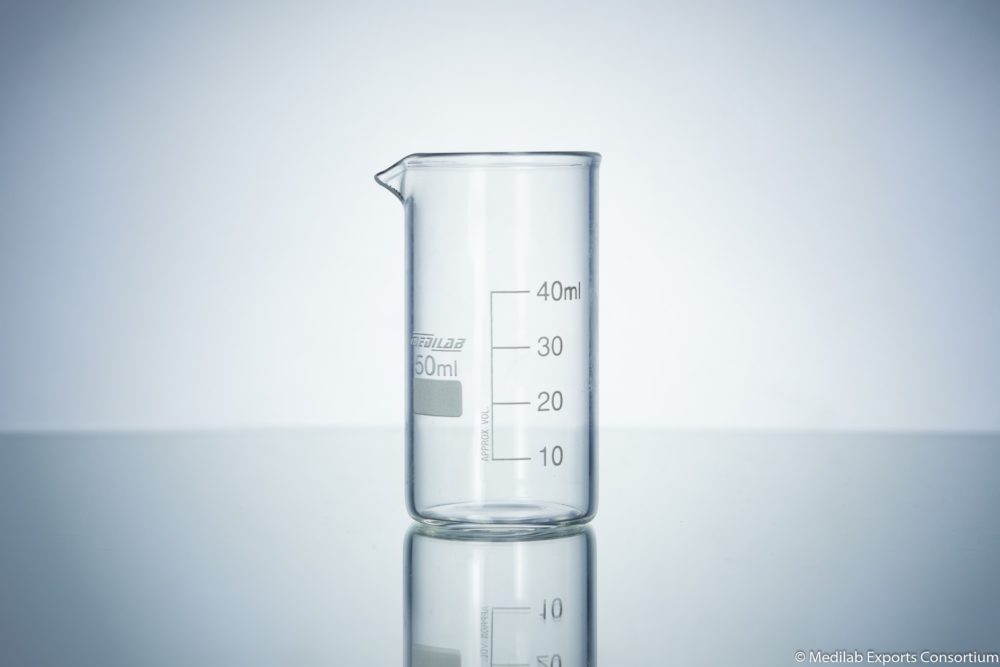
- Measuring beakers
Beakers are one of the common laboratory apparatus. They are flat bottom glassware or plasticware used to store, heat, and mix substances. They vary in size and are also used to hold liquids during titration and filtration processes.
- Microscopes
A microscope is an instrument that can be used to observe small objects, even cells that are too tiny to be observed by the naked human eye. The image of an object is magnified through at least one lens in the microscope.
This lens bends light toward the eye and makes an object appear larger than it actually is. There are many different types of microscopes for use in different research labs. They include:
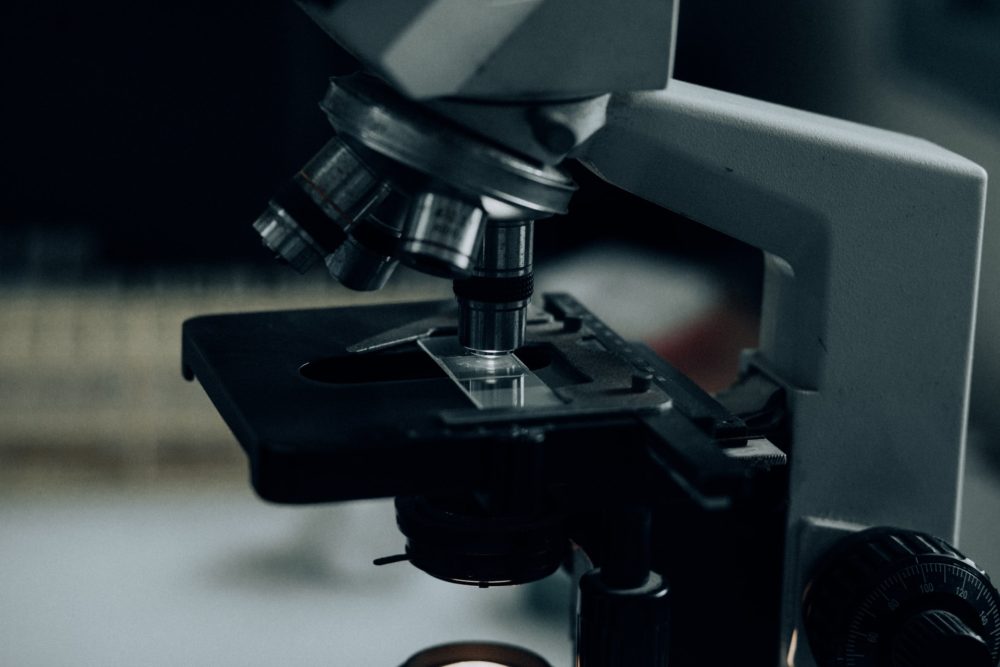 Light microscope: It uses lights and a series of magnifying lenses to observe a tiny specimen
- Dark‐field microscope: It is used to observe live spirochetes, such as those that cause syphilis.
- Phase‐contrast microscope: It is an optical microscopy technique that converts phase shifts in the light passing through a transparent specimen to brightness.
- Fluorescent microscope: It uses ultraviolet light as its light source. When ultraviolet light hits an object, it excites the object’s electrons, and they give off light in various shades of color.
- Electron microscope: It uses a beam of electrons to form a magnified image and, thus, is more powerful.
- Transmission electron microscope (TEM): It uses a particle beam of electrons to visualize specimens and generate a highly-magnified image
- Scanning electron microscope (SEM): It is a type of electron microscope that produces images of a sample by scanning the surface with a focused beam of electrons.
- Test tubes
This is a U-shaped cylindrical piece of glass or plasticware that comes in various sizes, but the normal dimension is 18 x 150 mm. Because it is non-reactive, you can safely conduct experiments that require a chemical reaction with it. It is also where science samples are kept.
- Test tube brushes
These are brushes with nylon fibers great for cleaning test tubes, flasks, and beakers.
- Pipettes
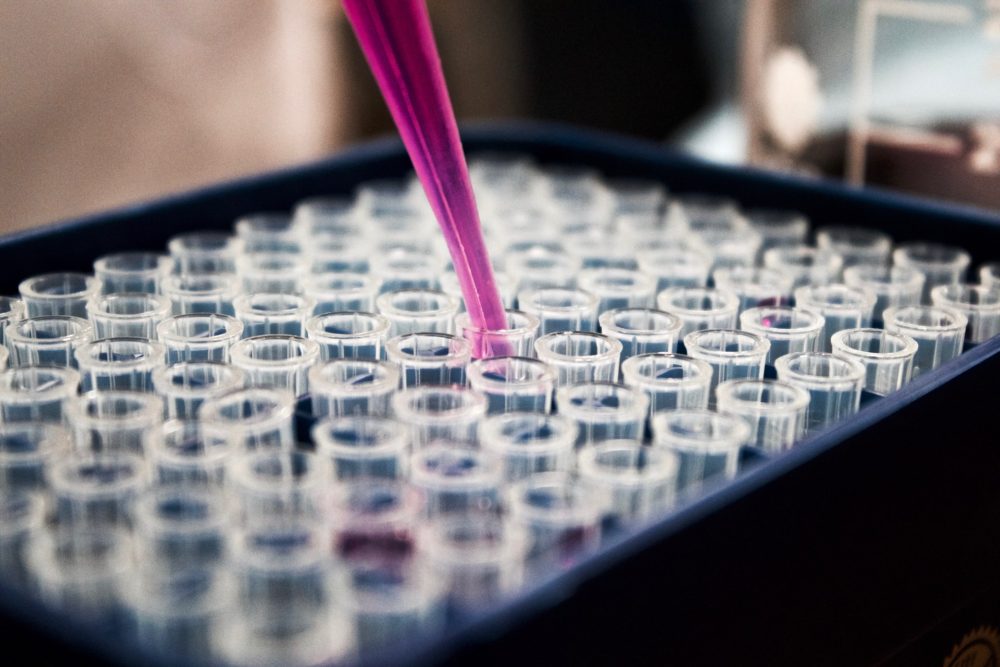
A pipette is a laboratory tool used to transfer a measured volume of liquid, generally as a media dispenser, in chemistry, biology, and medicine.
Pipettes are available in various designs and levels of accuracy and precision, ranging from simple single-piece glass pipettes to more complex adjustable or electronic pipettes. However, they are all used to measure an accurate volume of liquid and transfer it to another container.
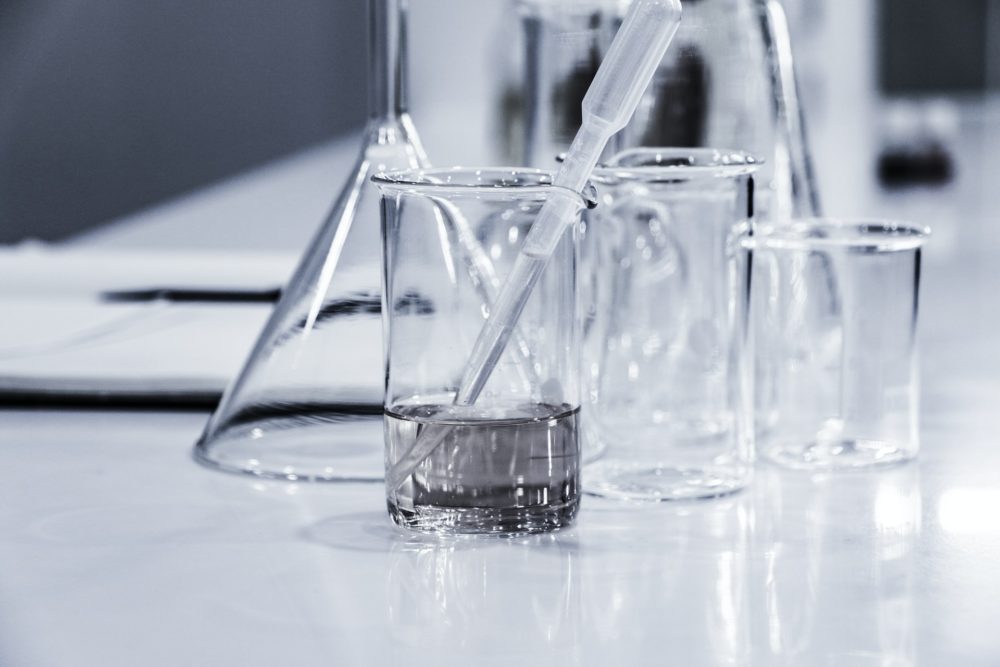 Common Examples Of Pipettes Are:
- Pasteur pipette: Are similar to eye droppers and can transfer a small amount of liquid. They are made of glass or plastic, have a separate bulb, and are not graduated for a certain volume.
- Volumetric pipettes: Transfer a single, predetermined volume of liquid. They are often called bulb pipettes for their shape.
- Transfer pipettes: Are made of plastic but molded, so the bulb may contain some of the liquid.
- Measuring pipettes and micropipettes: Have graduated volumes, like a graduated cylinder, and can dispense different volumes
- Crucible
A crucible is a heavy porcelain dish with a grinder. It is used to grind chemicals to a powder. It is also heat-resistant and is ideal for containing compounds when heated to high temperatures.
In addition, it has a lid that is meant to contain particles of smoke. It is common lab equipment used in biology lab setups.
- Volumetric flasks
This is a type of laboratory glassware used to prepare solutions. It is calibrated to hold exact volumes of a liquid at a precise temperature.
It is a flat bottomed bulb with an elongated neck calibrated to hold a set volume at a mark on the neck. The flask may also be a graduated flask or measuring flask because its mark specifies a precise volume measurement.
Depending on what amount of solution you want to prepare, you can use a 50ml, 125ml, 250ml, 500ml, or 1000ml volumetric flask.
- Round bottom flasks
Round bottom or boiling flasks or Florenceflasks do not stand up on their own and must always be held by a clamp. They typically do not have markings or pour spouts. They can be heated by a bunsen burner, or by a special type of hot plate that is made to accommodate the round bottom.
- Filtering flasks
Filtering flasks are shaped much like an Erlenmeyer flask with a short side tube. These flasks are used with a Buchner funnel and a vacuum pump system. It is slightly similar to Erlenmeyer flasks.
- Distillation flasks
Distillation flasks, also called fractional distillation or fractioning flasks, resemble round bottom flasks with a long sidearm or tube projecting from the neck of the flask.
These flasks are used to separate fluids based on their boiling and condensation temperatures. It is common lab equipment in chemistry labs.
- Bunsen burners
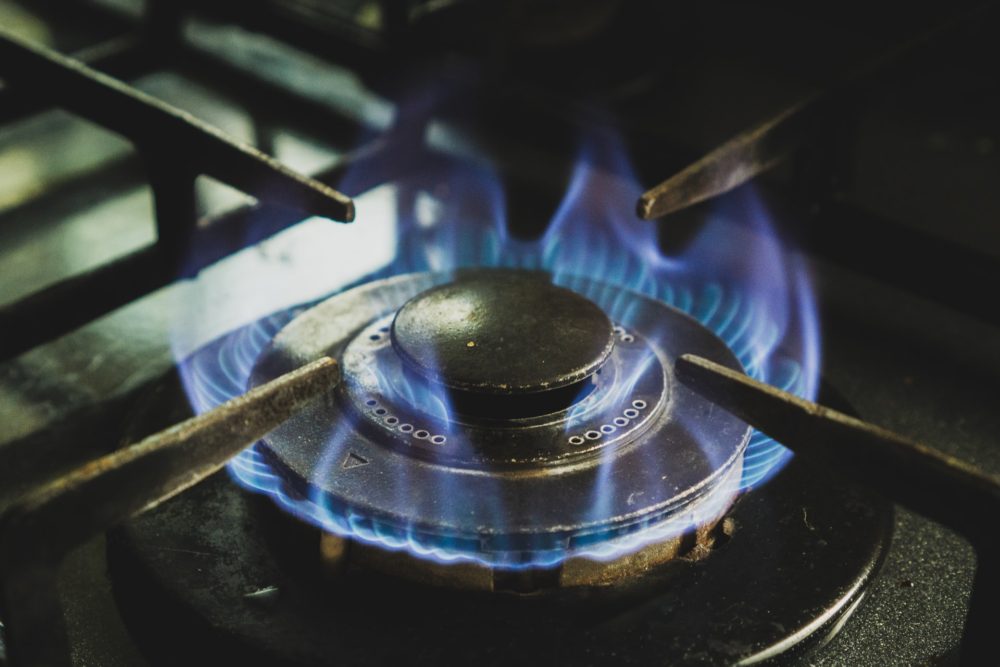
A Bunsen burner is a gas burner commonly used as a heat source in laboratory experiments. It produces a single open gas flame used for heating, sterilization, and combustion.
The gas can be natural gas which is mainly methane, or a liquefied petroleum gas, such as propane, butane, or a mixture. The burner consists of a flat base with a straight tube extending vertically, known as the barrel or chimney.
- Spatula
Mixing, scraping, and other chores connected to transferring materials and samples from one container to another are made easier using a lab spatula.
They are very much similar to the kitchen-like spatulas found in our home, but they are very small in comparison. They are heat and acid resistant and suitable to be used with a range of substances.
- Plastic wash bottle
 This is a squeeze bottle with a nozzle used to wash the slides, plates, labware while experimenting. Most wash bottles are made up of polyethylene, which is a flexible solvent-resistant petroleum-based plastic.
Depending on the task you wish to perform, you can fill it with another solvent, for example, ethanol or deionized water.
- Funnels
Funnels aid infiltration processes. They are used to deliver substances into vessels with small openings. There are various types of funnels used in gravimetric processes. They are:
- Hirsch funnels
- Buchner funnels
- Pyrex funnels
- Porcelain funnels
- Plain funnels
- Filter funnels
- Powder funnels
- Separatory funnels
- Dropping funnels
- Hot filtration funnel
- Eco funnels
- Forceps
Forceps metal instruments that look like large tongs. They are used while grasping objects that are too large to be grasped by the fingers and lift hot vessels and harmful substances during any reaction in the lab.
- Magnifying glass
It is a convex lens used to produce a magnified image of an object. A magnifying glass can be used to focus light, such as concentrating the sun’s radiation to create a hotspot at the focus for starting a fire.
- Dropper
It’s a short glass tube with a rubber bulb on one end and a tiny hole for dispensing medicine or other liquids.
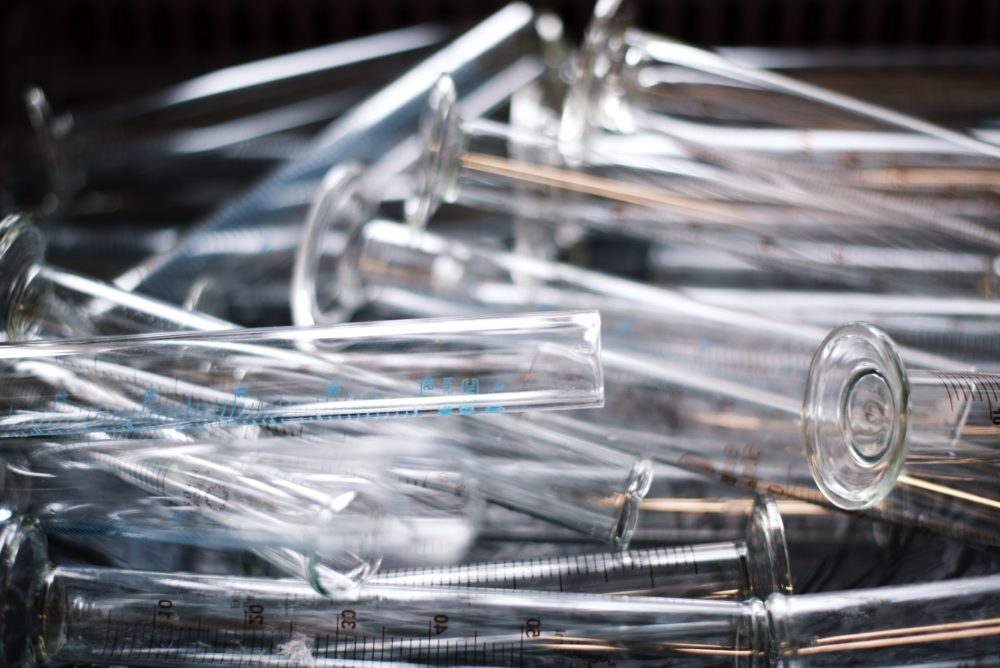
- Measuring cylinders
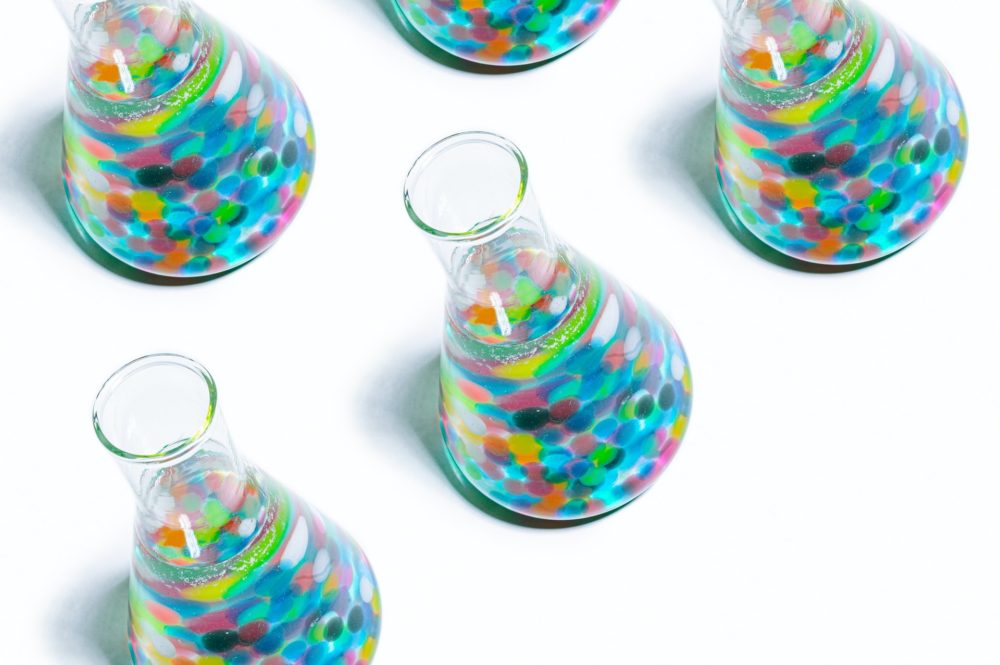 This is a long graduated tube used to measure the volume of liquids, chemicals or solutions during lab operations. It has a narrow cylindrical shape and is graduated to show the amount of a reagent.
- Burette
A burette is a laboratory apparatus used in quantitative chemical analysis, particularly during the titration process to measure the volume of a liquid or a gas.
It is a long, graduated glass tube with a stopcock at its lower end and a tapered capillary tube at the stopcock’s outlet. The most popular burettes are the 50ml, 25 ml, and 10ml varieties.
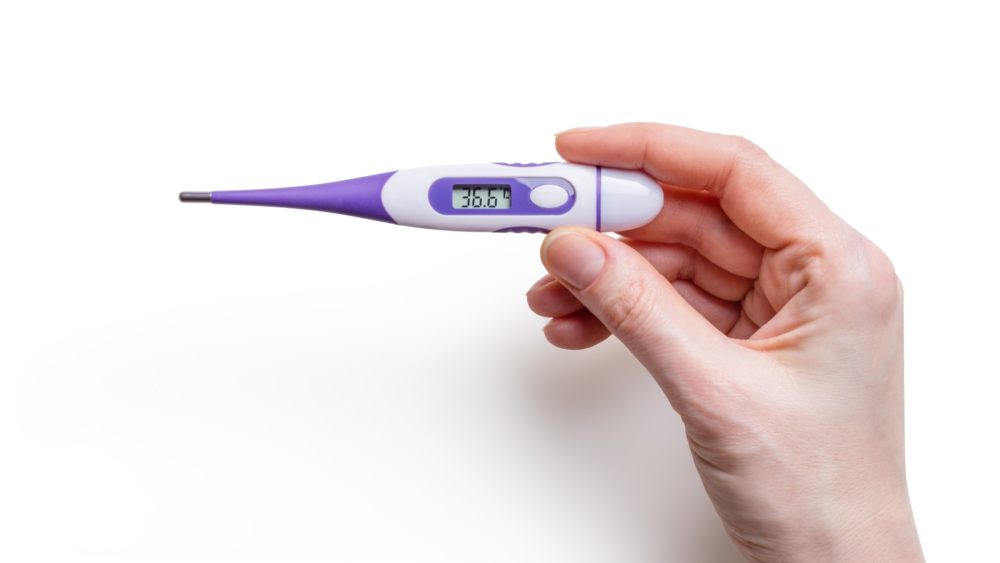
- Thermometer
Thermometers used in laboratories are almost similar as they also measure the temperature of substances (not body temperature) and have a high degree of precision.
A laboratory thermometer can be used for several scientific applications and can be found across nearly all laboratories, especially in pharmaceutical, environmental, food, and petroleum testing.
While a lab thermometer can measure how hot or cold a sample or environment is, the measurement range can vary widely between models.
- Weighing balances
A weighing balance is an instrument used to determine the weight or mass of an object. It is available in a wide range of sizes with multiple weighing capacities.
- Heat resistant gloves
They are used to handle hot glassware or other hot lab equipment. They are made from durable, genuine suede leather.
- Latex gloves
 They are best when you are working with bodily fluids, sensitive chemicals, or anything that is not going to burn you. This helps prevent you from contaminating any specimens or from contaminating yourself.
- Tongs
Tongs are used to grasp harmful objects and hold hot vessels, hot evaporating dishes, beakers, crucibles, and other laboratory apparatuses. Each type of tongs is designed for a particular use and differs in shape and design.
- Watch glass
A watch glass is a popular type of chemistry lab instrument. It is around, concave glass dish used for evaporation and heating small quantities of a substance in chemistry.
- Spring balance
It is also referred to as a newton meter. The scale is used to measure the weight of an object by the tension of a spring. It consists of spring on one side and a hook on the other.
It works by the principle of Hooke’s law, which states that for relatively small deformations of an object, the displacement or size of the deformation is directly proportional to the deforming force or load. This force gauge only measures weight and not mass.
- Ammeter
An ammeter is used to measure the amount of current in a circuit. The SI unit of current is Amperes (A). The ammeter is usually connected in series with the circuit in which the current is to be measured.
- Voltmeter
A voltmeter is a kind of electronic meter that measures the voltage between two points in an electrical circuit. Some voltmeters help measure direct current (DC) circuits such as those found in batteries, while others measure alternating current (AC) circuits such as those found in home electrical outlets.
- Safety goggles
 During an experiment, these goggles protect the eyes from spilled chemicals.
- First-aid kits
This is a very vital piece of equipment that should not miss in any laboratory setup. First-aid kits should include:
- Bandages
- Cotton wool
- Spirit
- Tweezers
- Sterilizing wipes
- Sterile dressings
- Gauze
- Antiseptic creams
- Scissors
- Eye dressings
Common Lab Equipment Names
Below is a summary of the common lab equipment.
- Measuring beakers
- Microscopes
- Test tubes
- Test tube brushes
- Pipettes
- Crucibles
- Volumetric flasks
- Round bottom flask
- Filtering flask
- Distillation flasks
- Bunsen burner
- Spatula
- Plastic wash bottle
- Funnel
- Forceps
- Magnifying glass
- Dropper
- Measuring cylinders
- Burette
- Thermometer
- Weighing balance
- Heat resistant gloves
- Latex gloves
- Tongs
- Watch glass
- Spring balance
- Ammeter
- Voltmeter
- Safety goggles
- First-aid kits
What Are Some Of The Categories Of Laboratory Equipment?
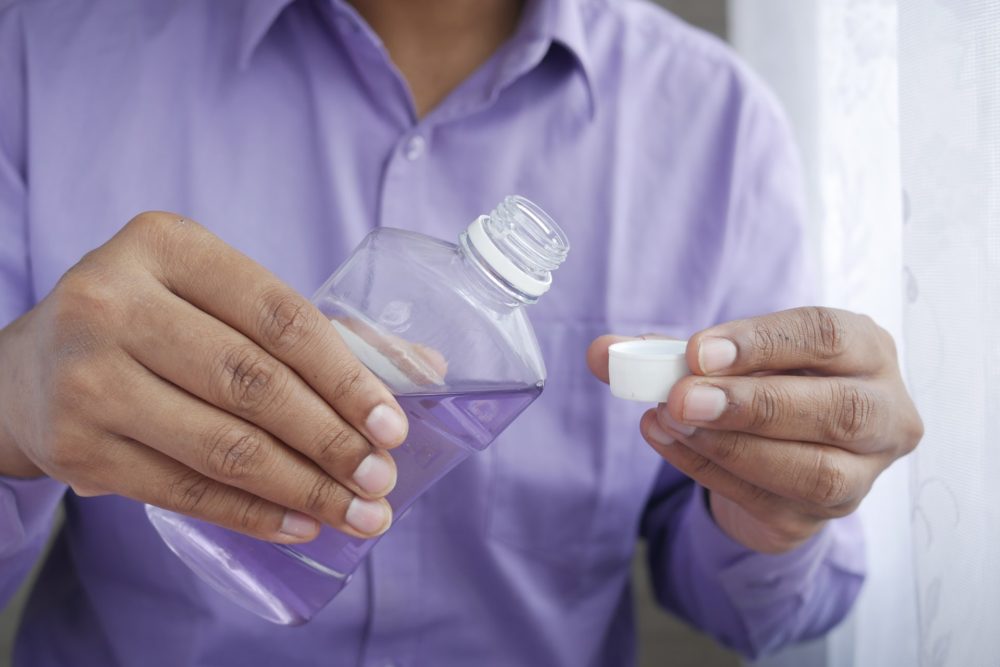
Various lab instruments are classified into several classes based on their functions. The most popular types of lab equipment and their names are listed below.
- Antibodies/reagents: These are reagents used in a regulated drug development setting. They include cell culture media, cytokines, enzymes, and biochemicals.
- Biotech/life science: Include processes like osmometers, capillary electrophoresis, DNA synthesizers, electrophoresis, electrophysiology, and electroporation.
- Centrifuges: This laboratory device uses centrifugal force to separate various fluid components. Separation is achieved by spinning a vessel containing material at high speed; the centrifugal force pushes heavier materials to the outside of the vessel. Common examples are fixed-angle centrifuges, swinging head (or swinging bucket), and continuous tubular centrifuges.
- Chromatography: It is a technique used to identify the components of a mixture. It works by allowing the molecules present in a mixture to distribute between a stationary and mobile medium. TLC, HPLC, and GC all use chromatography techniques.
- Clinical lab equipment: These are apparatus mostly used in clinical areas, mostly in hospitals. They include blood/gas analyzers, cell counters, chemistry analyzers, coagulation analyzers, and hematology analyzers.
- Fume chambers: It is a molded one-piece white surface with all corners covered for easy cleaning and light reflectivity. They are designed to prevent contamination in the lab by fumes or gases from chemical reactions such that air flows into the container from the laboratory and not from the container to the laboratory.
- General lab equipment: They include baths/circulators, block digesters, centrifuge, cryogenics, desiccators, Environmental Growth Chambers, flowmeters, freezers, fume hoods, and furnaces.
- Histology/pathology equipment: These tools help prepare and examine tissues. They are cover slippers, cryostat, embedding stations, slide stainers, and tissue processors.
- Photography systems: They aid in producing an image of objects by light on a sensitive surface like films.
- Labeling: It helps identify different apparatus and specimens in the laboratory.
- Laboratory ware: These are laboratory materials for measuring, pipetting, transferring, preparation of reagents, and storage. They are classified as glassware, plastic, platinum, and ceramic.
- Laboratory pumps: Are commonly used in the laboratory to provide suction for the filtration or aspiration of samples and reduce vapor pressure in instruments such as rotary evaporators and lab ovens. There are two main types of laboratory pumps, entrapment, and displacement pumps.
- Microplate equipment: This is a laboratory instrument used to measure chemical, biological or physical reactions, properties, and analytes within the well of a microplate. A microplate consists of small wells in which separated reactions take place.
- Microscopes: They are instruments that are used to magnify small objects. They are categorized into five types, stereo microscope, compound microscope, inverted microscope, metallurgical microscope, and polarizing microscope.
- Spectroscopy: This is the study of the interaction of light with matter. Instruments used are AAS, molecular spectroscopy, infrared spectroscopy, ultraviolet spectroscopy, and X-Ray analytical (XRD, XRF).
- Vacuum equipment: They are majorly used in the manufacturing of cathodes, pumping water, welding, food preservation, applied sterilization, and many more. Some of the instrument’s parts are valves, gauges, pumps, and filters.
What Are Some Of The Laboratory Safety Rules?
The most common safety rules include:
- Know locations of laboratory safety showers, eyewash stations, and fire extinguishers.
- Avoid skin and eye contact with all chemicals.
- Label all the chemical containers accordingly.
- Wear closed leather shoes while working in the laboratory.
- Use equipment only for its designated purpose.
- Avoid adding solids to hot liquids.
- Never leave containers of chemicals open.
- Do not taste or intentionally sniff chemicals.
- Do not use mouth suction for pipetting or starting a siphon.
- Wash exposed areas of the skin before leaving the laboratory.
- Long hair and loose clothing must be pulled back and secured from entanglement or potential capture.
For any laboratory experiment to succeed, you will need good laboratory equipment to complete and assess the procedure. The above common lab equipment is just a sample of the various varieties of the lab equipment available.
The post Top 30 Most Common Lab Equipment Names, Pictures And Their Uses first appeared on Tekrati and is written by Jarvis Elderman
]]>
Thank You Coronavirus Helpers: How Different People Played a Role
On 30th January 2020, WHO declared the coronavirus a public health emergency of international concern and a pandemic, two months later, on 11th March 2020. The pandemic brought the world to a standstill with economies crashing, people losing their jobs, and countries going into lockdown. The ever vibrant, bustling streets of cities were eerily quiet as people [...]
The post Thank You Coronavirus Helpers: How Different People Played a Role first appeared on Tekrati and is written by James Fuller
]]>Thank You Coronavirus Helpers: How Different People Played a Role
On 30th January 2020, WHO declared the coronavirus a public health emergency of international concern and a pandemic, two months later, on 11th March 2020. The pandemic brought the world to a standstill with economies crashing, people losing their jobs, and countries going into lockdown.
The ever vibrant, bustling streets of cities were eerily quiet as people stayed indoors to protect themselves and others from the virus. Streets became deserted, malls closed their doors, and schools and universities switched to online learning.
But during all this darkness, there were also rays of hope and light. People united to help each other in a time of need. From healthcare workers and medical staff risking their lives to save others to selfless neighbors and volunteers helping each other with shelter, meals, and medical supplies, everyone played a part in getting us through these challenging times. These courageous men and women are the true unsung heroes of our time, and we owe them a debt of gratitude.
So today, we want to say a big thank you to all the coronavirus helpers out there. Thank you for your selflessness, courage, compassion, and determination. Thank you for going above and beyond to help those in need. Thank you for being the light in the darkness. We are forever grateful for proving humanity will always triumph in the end.
To honor all the amazing, brave, and selfless coronavirus helpers out there, we’ve put together a list of just some of the ways different people went above and beyond to help others during the global pandemic.
Spreading Love, Joy, and Hope Amidst a Pandemic

With the coronavirus pandemic in place, the uncertainty of the future weighed heavily on everyone’s minds. To Spread love, joy, and hope during these tough times, people came up with creative ways to bring smiles to others.
From balcony concerts and drive-by birthday celebrations to heartwarming notes of encouragement left on people’s cars, people went out of their busy lives to ensure others knew they were not alone. Here is how the kindness of frontline workers and strangers brought joy to people during the pandemic:
Frontline Healthcare Workers
For the last two years, the lives of frontline healthcare workers have been nothing short of a rollercoaster ride. They have risked their own lives to save those of others and have been working tirelessly to ensure everyone gets the care they need.
From the initial outbreak of the virus to the second and third waves, healthcare workers, hospital workers, and first responders have been on the frontlines day and night, fighting tirelessly to save other patients lives. They have worked long hours with little rest, away from family, and have made impossible decisions that no one should ever have to make.
But through it all, they have pressed on and shown the world what it means to be a true hero. They were the ray of hope during the darkest of times, and we will be forever grateful for their bravery, dedication, and compassion.
Essential Workers
Countries worldwide went into lockdown to contain the spread, bringing the economy to a standstill. No movement meant no production, which meant people were losing their jobs, and businesses were shutting down.
But some people could not afford to stay home as they had to continue working to ensure the rest of us had food on our tables, gas in our cars, and medicine in our homes. Schools and teachers moved their classes online to ensure students could continue learning, while supermarkets, pharmacies, and transportation workers ensured we had access to essential goods and services.
These essential workers risked their lives every day to ensure we had the necessities we needed to survive. From grocery store clerks and delivery drivers to farmers and truckers, they kept the world running while the rest of us stayed home.
Other essential workers included janitors and sanitation workers who ensured our homes and workplaces were clean and safe. Without the essential workers, the world would have come to a grinding halt. So, today we want to say a big thank you to all the essential workers out there who kept the world going during these tough times.
Neighbors Helping Neighbors
When the pandemic first hit, there was a lot of uncertainty and fear across the country. People were hoarding supplies, panic buying essentials like hand sanitizers, and stockpiling food. But amidst all the chaos, there were also acts of kindness and compassion.
Neighbors were helping friends and neighbors, strangers were helping strangers, and people came together to help those in need. From delivering groceries to the elderly and vulnerable to checking in on neighbors, people went out of their way to help others.
There were also community initiatives set up to help those in need. Amidst the darkness, uncertainty, and fear, these acts of kindness shone like a beacon of hope.
Balconies Turned Great Concert Stages and Entertainment Spots
With lockdowns in place, mass gatherings prohibited, and entertainment hubs closed, people were forced to find new ways to stay entertained. And what better way to do that than with music?
People took to their balconies and turned them into impromptu concert stages and entertainment spots. From playing instruments and singing songs to hosting dance parties and movie nights, people found creative ways to have fun while staying safe. This was an excellent way for people to connect with their neighbors and create a sense of community.
World-renowned musicians and DJs like The Chainsmokers and Martin Garrix kept the good vibes flowing by playing live sets from their balconies and hotel rooftops. Soon enough, social media was filled with videos of people from all over the world dancing and singing along to their favorite jams from their balconies.
The Hilarious Memers and Social Media Stars
Even with the seriousness and gravity of the pandemic, people still found ways to have a good laugh. Memers and social media stars quickly jumped on the coronavirus bandwagon and started churning out hilarious content.
From funny videos and memes to skits and songs, they used their creativity and wit to bring some much-needed laughter into our lives.
Even as remote working and Zoom meetings became the new norm, these social media stars created and shared brilliant memes and videos that perfectly captured the new reality we were all living in. Despite the darkness and despair, they were the light that kept us going.
Organizations, Private Companies, and Individuals Stepped Up to Help
With the huge surge in virus cases and the strain on the healthcare system, many organizations, private companies, and individuals stepped up to help. From setting up temporary hospitals and ICUs to manufacturing PPE and essential medical supplies, they went above and beyond to aid those in need.
Some companies even repurposed their products and manufacturing lines to produce sanitizers, face masks, and other essential items. Others donated money, food, and treatment supplies to frontline workers and their communities to support patient care.
A company like Grammarly joined the growing list of companies minding the well-being of their employees by offering them extra off days and mental health days in the stressful situation. It was truly heartening to see people and organizations all over the globe coming together to help fight the ravaging effects of the pandemic.
Google Doodles Never Disappointed

Even though 2020 was a tough year, Google Doodles never failed to bring a smile to our faces. When the frontline workers were fighting hard to contain the virus, Google Doodle paid tribute to them by highlighting the positive impacts of Covid-19.
From celebrating healthcare workers and first responders to honoring essential workers, the Doodle team did a fantastic job highlighting the selfless acts of people from all walks of life. On 25th April, 202o, the tech giant released a Covid-19 Doodle series titled “To all coronavirus helpers, thank you,” which highlighted the selfless acts of doctors, nurses, grocery stores, and many others.
These Doodles and popular articles celebrated their immense contribution towards containing the pandemic and brought some much-needed positivity to more people during these challenging times. Since then, Google Doodle has released several other Doodles celebrating the success of vaccination drives and the hope for a better tomorrow. Google has also provided prime articles and trending topics to help people stay informed about the pandemic.
From Deep Down Our Hearts, Thank You
The last two years have been a turbulent ride. Starting with lockdowns, working from home, Zoom meetings becoming the new norm, and ending with vaccination drives, 2020 was a year like no other.
But even in the darkest of times, there have been some bright moments that remind us of the goodness of humanity. People’s selflessness, kindness, and compassion have shone through in the most trying of times, reevaluating how we as a society function.
As we look back at 2020, we would like to express our deepest gratitude to all the helpers who have gone above and beyond to help those in need. From doctors and nurses to grocery store workers and delivery drivers, you are the unsung heroes of this pandemic.
You have risked your own lives to save others, and we cannot thank you enough for your selfless acts of kindness. Your support and efforts have been instrumental in getting us through these tough times. And so, we can rest assured that, even though the future is uncertain, we will get through this together. Thank you, coronavirus helpers, from the bottom of our hearts.
The post Thank You Coronavirus Helpers: How Different People Played a Role first appeared on Tekrati and is written by James Fuller
]]>