ICO vs IEO: How to Choose the Right Fundraising Method for Your Blockchain Project
Launching a new cryptocurrency or blockchain project requires significant upfront capital. Over the past decade, initial coin offerings (ICOs) and initial exchange offerings (IEOs) have emerged as popular fundraising mechanisms in the crypto space. But how do you determine whether an ICO or IEO is better suited for your project? This comprehensive article will examine [...]
The post ICO vs IEO: How to Choose the Right Fundraising Method for Your Blockchain Project first appeared on Tekrati and is written by Gia Patterson
]]>ICO vs IEO: How to Choose the Right Fundraising Method for Your Blockchain Project
The post ICO vs IEO: How to Choose the Right Fundraising Method for Your Blockchain Project first appeared on Tekrati and is written by Gia Patterson
]]>
Uncovering NFT Marketplace Fees and Royalties: A Detailed Guide
Welcome to our detailed guide on NFT marketplace fees and royalties. If you’re interested in NFTs, you’ve likely heard about marketplace fees and royalties, but may not fully understand what they are and why they matter. In this article, we’ll start by providing an overview of what NFT marketplace fees and royalties are and why [...]
The post Uncovering NFT Marketplace Fees and Royalties: A Detailed Guide first appeared on Tekrati and is written by Khezia
]]>Uncovering NFT Marketplace Fees and Royalties: A Detailed Guide
Welcome to our detailed guide on NFT marketplace fees and royalties. If you’re interested in NFTs, you’ve likely heard about marketplace fees and royalties, but may not fully understand what they are and why they matter.
In this article, we’ll start by providing an overview of what NFT marketplace fees and royalties are and why they are important for both buyers and artists. We’ll then delve into the different types of fees charged by NFT marketplaces, compare the fees charged by popular platforms, and highlight any additional costs involved in the trading process.

We will also explore the concept of royalties in the NFT world and how they benefit artists. We’ll explain how artists can earn ongoing royalties from resales of their NFTs and discuss the different royalty models employed by NFT marketplaces. Additionally, we’ll discuss the factors that can influence the fees and royalties charged by NFT marketplaces.
By the end of this article, you will have a better understanding of the fees and royalties involved in trading NFTs and be equipped with the knowledge you need to make informed decisions when choosing an NFT marketplace.
Understanding NFT Marketplace Fees
Before diving into the world of NFT marketplace fees, it’s important to understand the various types of fees that may be involved when trading NFTs. These fees can vary greatly depending on the platform and the specific transaction, but generally fall into one of the following categories:
- Transaction fees
- Listing fees
- Withdrawal fees
- Conversion fees
Transaction fees are perhaps the most common type of fee associated with NFT marketplaces. These fees are charged when a buyer purchases an NFT, with the fee going to the platform in exchange for facilitating the transaction. The exact percentage charged for transaction fees can vary widely between different marketplaces, and it’s worth shopping around to find a platform with lower fees if you’re planning to make frequent purchases.
Another type of fee that may be charged by NFT marketplaces is a listing fee. These fees are typically charged to artists who wish to list their NFTs on the platform, and vary greatly depending on the popularity of the platform and the reputation of the artist. In some cases, marketplaces may also charge withdrawal fees for artists who wish to withdraw their earnings from the platform.
Conversion fees are another type of fee that may be charged by some NFT marketplaces. These fees are typically charged when an NFT is purchased using a different cryptocurrency than the one accepted by the marketplace, and can add an additional layer of complexity to the trading process.
When comparing NFT marketplaces, it’s important to take into account all of the different fees that may be involved, as well as any additional costs associated with the platform. For example, some marketplaces may offer additional benefits such as built-in wallets or NFT display galleries, but may charge higher fees as a result.
Overall, understanding the fee structure of NFT marketplaces is essential for both buyers and artists looking to trade NFTs. By being aware of the different types of fees that may be involved, you can make more informed decisions about which platforms to use and how to best allocate your resources.

Exploring NFT Royalties for Artists
One of the most significant benefits of NFTs for artists is the ability to earn ongoing royalties from their work. NFT royalties work in a similar way to traditional royalties in the art world, enabling artists to receive a percentage of the sale price when their work is resold.
When an NFT is sold on a marketplace, the artist can opt to receive a percentage of the profit each time the work is resold in the future. The percentage that artists receive in royalties varies by platform, with some offering as much as 10% and others offering a more modest 2.5%. The percentage is typically set by the artist, but some platforms have their own royalty models that artists must adhere to.
Implementing NFT royalties has been a game-changer for artists, especially in the digital art world. Previously, artists were unable to earn a share of the profits when their work was sold on secondary markets. With NFTs, artists can now earn ongoing income from their work, providing them with the financial stability to continue creating.
“I think the most important part of NFTs is the potential for artists to gain value from their work after it’s been sold.” – Trevor Jones, artist
Some marketplaces have faced criticism for their royalty models, with concerns about the fair distribution of royalties. Some argue that the percentage artists receive in royalties should be higher, while others believe that marketplaces should allocate a portion of their profits to artists as well.
Despite these debates, NFT royalties have undeniably created a new revenue stream for artists, enabling them to earn a share of the profits when their work is resold. As the NFT market continues to grow, it will be interesting to see how this model evolves and how artists continue to benefit from it.
Examples of NFT Royalties by Marketplace
| Marketplace | Royalty Percentage |
|---|---|
| SuperRare | 10% |
| Nifty Gateway | 10% |
| OpenSea | 2.5% |
Factors Influencing NFT Marketplace Fees and Royalties
When it comes to NFT marketplaces, the fees and royalties charged can vary greatly. Understanding the factors that influence these costs can help buyers and artists make informed decisions. Here are some of the key factors to consider:
| Factor | Description |
|---|---|
| Transaction Volume | The more transactions a platform processes, the more it can afford to lower its fees. Popular platforms that handle a large volume of trades can often charge lower fees than newer or less popular platforms. |
| Platform Popularity | The popularity of a platform can also affect fees and royalties. More popular platforms may be able to charge higher fees and royalties due to increased demand from buyers and artists. However, they may also face greater competition from other platforms. |
| Artist Reputation | The reputation of the artist can also influence fees and royalties. Established artists with a strong track record may be able to command higher royalties or negotiate lower fees, while newer or less well-known artists may need to settle for lower fees and royalties. |
| Complexity of the Artwork | The complexity of the artwork can also affect fees and royalties. More intricate pieces may require more time and effort to create, which can drive up costs for both buyers and artists. Additionally, some platforms may charge higher fees for more complex artwork due to the additional resources required to store and display those pieces. |
By taking these factors into account, buyers and artists can gain a better understanding of the fees and royalties charged by NFT marketplaces. Keep in mind that certain platforms may also charge additional costs, such as gas fees for transactions on the Ethereum network. Be sure to do your research and compare fees and royalties across multiple platforms to find the best fit for your needs.

Comparing NFT Marketplaces: Fees and Royalties
When choosing an NFT marketplace to buy or sell on, it’s important to consider the fees and royalties involved. Here is a breakdown of the most popular NFT marketplaces and their associated costs:
| Marketplace | Fees | Royalties for Artists |
|---|---|---|
| OpenSea | 2.5% for sellers, 2.5% for buyers | Up to 10% for initial sale, up to 2.5% for secondary sales |
| Nifty Gateway | 2.5% for sellers, 2.5% for buyers | Up to 10% for initial sale, up to 2.5% for secondary sales |
| Rarible | 2.5% for sellers, 2.5% for buyers | 10% for all sales |
| SuperRare | 3% for sellers, 0% for buyers | 10% for all sales |
It’s worth noting that these fees do not include any additional transaction fees that may be charged by the blockchain network. For example, Ethereum charges a network fee known as “gas” for each transaction.
When it comes to royalties for artists, different NFT marketplaces have different models. Some offer a flat percentage on all sales, while others have tiered structures that reduce the percentage as the artwork gains value.
Ultimately, the fees and royalties charged by NFT marketplaces should be viewed as one aspect of the platform’s overall offering. Buyers and sellers should also consider factors such as user experience, community engagement, and the quality of the artwork available.
 In conclusion, different NFT marketplaces have different fee and royalty structures. Buyers and sellers should consider multiple factors when choosing a platform, including fees, royalties, user experience, community engagement, and artwork quality.
FAQ about NFT Marketplace Fees and Royalties
As NFT marketplaces continue to gain popularity, it’s important to have a good understanding of the fees and royalties involved in trading NFTs. To help you make informed decisions, we’ve compiled some frequently asked questions about NFT marketplace fees and royalties.
What are the typical fees for buying/selling NFTs?
The fees charged by NFT marketplaces vary widely depending on the platform. However, most platforms charge a transaction fee, which typically ranges from 2.5% to 10% of the sale price. Additionally, some platforms may charge a listing fee or a fee for minting an NFT. It’s important to read the fee structure of each platform carefully before making any transactions.
How do royalties work?
When an artist sells an NFT, they may be entitled to a percentage of any future sales of that NFT. This is called a royalty. The percentage of the royalty varies depending on the platform and the specific NFT. Royalties can provide ongoing income for artists, even after the initial sale of their artwork.
Are there any hidden costs to consider?
Some platforms may have additional costs that aren’t immediately visible. For example, a platform may charge a gas fee for processing transactions on the blockchain, or may require additional verification steps that incur a fee. It’s also important to consider the cost of storing and securing your NFTs, as this can add up over time.
How can I compare fees and royalties across different NFT marketplaces?
It’s important to research the fee structures of different NFT marketplaces before making any transactions. Many platforms provide a breakdown of their fees and royalties on their website. You can also look for third-party comparisons and reviews to help you make an informed decision.
Should I choose an NFT marketplace based solely on fees and royalties?
No, fees and royalties are just one aspect to consider when choosing an NFT marketplace. It’s also important to consider factors such as the platform’s reputation, user base, and ease of use. Additionally, different marketplaces may have different target audiences, so it’s important to choose a platform that aligns with your specific goals and interests.
Key Takeaways
- NFT marketplaces charge various fees like transaction fees, listing fees, withdrawal fees, and conversion fees. Transaction fees are the most common, charged when a buyer purchases an NFT. Listing fees are charged to artists listing NFTs. Withdrawal and conversion fees may also apply.
- One key benefit of NFTs for artists is royalties – they can receive a percentage each time their NFT is resold. Royalty percentages vary by platform, typically 2.5%-10%. Factors like transaction volume, platform popularity, artist reputation, and complexity of the art influence fees and royalties.
- Popular marketplaces like OpenSea, Rarible, and SuperRare have different fee and royalty structures. OpenSea charges 2.5% to buyers and sellers, with up to 10% royalties initially and 2.5% for resales. Rarible charges 2.5% fees with a flat 10% royalty. SuperRare charges 3% seller fee with 10% royalties.
- When choosing a marketplace, buyers and sellers should consider fees, royalties, user experience, community, and art quality. Researching and comparing costs across platforms is important to make informed decisions.
At Tekrati, we deliver engaging tech news stories and in-depth analysis to keep you on the cutting edge. We cover AI, computing, smartphones, cybersecurity and all tech innovations with curiosity and clarity. We believe technology empowers progress when guided by diverse perspectives. Visit Tekrati.com to explore the future of tech through our thoughtful articles, how-tos and interviews.
The post Uncovering NFT Marketplace Fees and Royalties: A Detailed Guide first appeared on Tekrati and is written by Khezia
]]>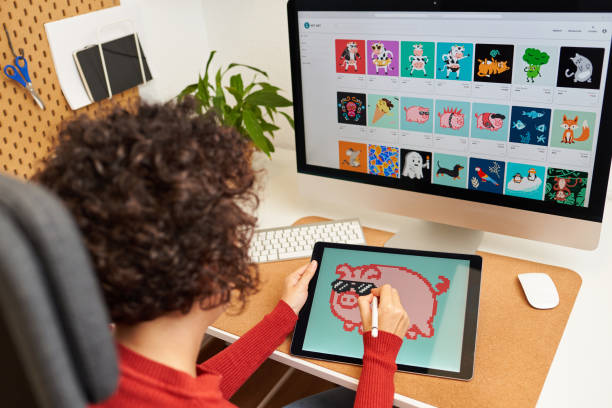
Breaking into NFTs? Check Out These New Upcoming NFT Marketplaces
If you’re an artist or collector looking to break into the world of NFTs, you’re not alone. As the popularity of non-fungible tokens continues to skyrocket, there’s a growing need for fresh platforms that can cater to the increasing demand. Fortunately, there are plenty of new upcoming NFT marketplaces that offer exciting opportunities for creators [...]
The post Breaking into NFTs? Check Out These New Upcoming NFT Marketplaces first appeared on Tekrati and is written by Khezia
]]>Breaking into NFTs? Check Out These New Upcoming NFT Marketplaces
If you’re an artist or collector looking to break into the world of NFTs, you’re not alone. As the popularity of non-fungible tokens continues to skyrocket, there’s a growing need for fresh platforms that can cater to the increasing demand. Fortunately, there are plenty of new upcoming NFT marketplaces that offer exciting opportunities for creators and buyers alike.

In this article, we’ll take a closer look at the rise of new upcoming NFT marketplaces, explore different types of NFT platforms available, discuss key factors to consider when choosing the right marketplace for you, and offer tips and strategies for navigating these new platforms. Whether you’re a seasoned collector or a curious artist, there’s something for everyone in this dynamic and rapidly expanding ecosystem.
The Rise of New Upcoming NFT Marketplaces
As the NFT market continues to grow, new platforms are emerging to provide artists and collectors with more options to buy, sell, and showcase their unique digital assets. These emerging NFT marketplaces offer exciting opportunities for artists to showcase their work, as well as for collectors to discover and invest in new pieces.
Some of the latest NFT marketplaces that have gained traction in the market include Foundation, Async Art, and Nifty Gateway. These up-and-coming NFT marketplaces offer a range of features that cater to the needs of both creators and collectors, from dynamic bidding experiences to decentralized ownership and authenticity.
The Appeal of New Upcoming NFT Marketplaces
Exploring these unique NFT platforms can provide a fresh perspective and new opportunities for artists and collectors. NFT auction sites such as SuperRare and KnownOrigin offer a dynamic bidding experience that creates excitement around the process of buying and selling NFTs. Decentralized platforms like OpenSea prioritize ownership and authenticity, leveraging blockchain technology to ensure the integrity of each transaction. Other platforms such as Mintable and Rarible are popular for their ease of use and accessibility, making it easy for artists to create and list NFTs without having extensive technical knowledge.
There are many advantages to exploring new upcoming NFT marketplaces. As the NFT market continues to evolve and grow, artists and collectors can benefit from joining communities on these platforms, discovering new artists, and reaching new audiences. With so many options available, it’s important to consider key factors when choosing an NFT marketplace, such as fees, user experience, community engagement, platform security, and discoverability.

By embracing new NFT marketplaces, artists and collectors can stay at the forefront of the industry and take advantage of new opportunities. In the next section, we’ll dive deeper into the unique features and benefits of some of the emerging NFT marketplaces, along with tips for navigating these platforms and finding success.
Exploring Unique NFT Platforms
As the NFT ecosystem expands, new types of platforms are emerging, each with its own unique approach to creating and selling NFTs. Here are some of the most exciting and innovative options:
NFT Auction Sites
NFT auction sites like Foundation and SuperRare offer a dynamic bidding experience, where collectors can compete to own unique and coveted digital assets. These platforms typically curate their content, ensuring only the highest quality artwork is available for sale. With a focus on exclusivity, NFT auction sites can be a great option for artists looking to create a buzz and generate hype around their work.
Decentralized NFT Platforms
Decentralized NFT platforms like Rarible and OpenSea prioritize ownership and authenticity, allowing creators to mint and sell their own NFTs without the need for a middleman. These platforms operate on blockchain technology, providing increased transparency and security for both artists and collectors. Decentralized platforms can be a great option for those who value community-driven initiatives and decentralized ownership.
New NFT Marketplace Launches
New NFT marketplace launches like Async Art and Zora are generating buzz and excitement in the NFT community. These platforms often offer unique features, such as the ability to create programmable art or sell partial ownership in an NFT. While these platforms may still be in their infancy, they present a great opportunity for artists and collectors to get in on the ground floor of the next big thing.

As the NFT market continues to evolve, exploring these innovative platform options can provide great opportunities for both artists and collectors. Consider your goals and priorities when selecting a platform, and don’t be afraid to test the waters with a variety of options. With so many exciting developments in the NFT space, there’s never been a better time to dive in and start exploring.
Key Factors to Consider When Choosing an NFT Marketplace
With the rise of new upcoming NFT marketplaces, it can be challenging to know which platforms to choose to sell or buy NFTs. Here are some key factors to consider when selecting an NFT marketplace:
| 1. Fees | Most NFT marketplaces charge a fee for creating and selling NFTs. Fees vary from platform to platform, so it’s essential to research and compare the fees of different NFT marketplaces. Some platforms charge a percentage of the sale, while others have fixed fees or a combination of both. |
|---|---|
| 2. User Experience | The NFT marketplace should have a user-friendly interface that makes it easy for artists and collectors to navigate and interact with the platform. The platform should provide clear instructions and tutorials on how to list and sell NFTs, participate in auctions, and engage with the community. Look for a platform that offers responsive customer support to address any issues or concerns. |
| 3. Community Engagement | Community plays a vital role in the success of any NFT marketplace. Look for a platform that has an active and supportive community of artists and collectors. The platform should have tools and features that allow for easy communication and collaboration among community members. Communities can help promote your NFTs, build your brand, and create new opportunities for growth. |
| 4. Platform Security | Security is critical when it comes to NFTs. Look for a platform that offers robust security measures to protect your NFTs from fraud, hacking, and theft. The platform should have a secure login system, encryption technology, and regular security updates. |
| 5. Discoverability | The platform should have a large and diverse audience that can discover and appreciate your NFTs. The platform should have effective tools and features that allow artists to showcase their work, gain exposure, and build a fan base. Look for a platform that has a broad range of categories and tags to help potential buyers find NFTs that match their interests. |
Before choosing an NFT marketplace, take the time to research and compare the different platforms available. Consider your specific needs and goals as an artist or collector and choose a platform that aligns with your interests and values. Remember, the NFT marketplace you choose can significantly impact your success, so choose wisely.

Navigating the New Upcoming NFT Marketplaces
Now that you have an idea of the different types of NFT platforms available, you may be wondering how to navigate these new upcoming marketplaces. Here are some practical tips:
- Research the platform: Before you create an account or list your NFTs for sale, make sure to research the platform thoroughly. Look into the platform’s fees, user experience, community engagement, platform security, and discoverability.
- Create an account: Once you have selected a platform to explore, create an account and fill out your profile information. This will help other users find and connect with you.
- List your NFTs: Depending on the platform, you may need to go through a verification process to list your NFTs for sale. Follow the platform’s guidelines carefully to ensure your listings are approved.
- Participate in auctions: If the platform offers auction options, consider participating in these to gain visibility for your NFTs and potentially sell them for a higher price.
- Engage with the community: Join the platform’s community to network with other artists and collectors, and learn from their experiences. Engage in discussions, share your work, and offer feedback to others.
By following these tips, you can navigate the new upcoming NFT marketplaces with confidence and potentially find success as an artist or collector.

Spotlight on Promising New NFT Marketplaces
If you’re looking to explore new NFT marketplaces, take a look at some of these promising options:
| Marketplace | Description | Unique Feature |
|---|---|---|
| Rarible | A community-owned marketplace that allows artists to create and sell unique digital assets. | Rarible offers a “create once, sell forever” model that allows artists to continuously earn royalties on their creations. |
| Hic et Nunc | A decentralized marketplace for digital art and collectibles hosted on the Tezos blockchain. | Hic et Nunc uses a proof-of-stake model to minimize transaction fees and energy consumption. |
| Async Art | An innovative platform that allows artists to create “programmable” art that can change over time or in response to certain conditions. | Async Art’s unique approach to NFTs allows for dynamic and interactive digital art experiences. |
| SuperRare | A curated marketplace for rare digital art and collectibles. | SuperRare offers a network of collectors, artists, and curators, as well as tools for artists to promote and monetize their work. |
These marketplaces are just a few examples of the exciting new platforms that are emerging in the NFT space. Each offers a unique set of features and benefits for artists and collectors, so take the time to explore and find the right fit for you.

Frequently Asked Questions (FAQ) About New NFT Marketplaces
As the world of NFTs continues to evolve with the emergence of new upcoming NFT marketplaces, it’s common to have questions and concerns about these platforms. Here are some frequently asked questions and their answers:
What fees do these new upcoming NFT marketplaces charge?
Fees vary among different NFT marketplaces. Some platforms charge a listing fee, while others take a commission on the sale price of NFTs. Be sure to carefully review the fee structure of the platform you’re interested in before listing or buying NFTs.
How do I list an NFT on a new upcoming NFT marketplace?
The process for listing on a new upcoming NFT marketplace may differ from platform to platform. However, most platforms have a simple process where you can create an account, upload your NFT file, and set a price for your NFT. Be sure to review the specific listing instructions for the platform you choose.
How do I buy an NFT on a new upcoming NFT marketplace?
Each new upcoming NFT marketplace may have a slightly different buying process. However, generally, you can browse through the available NFTs, select the one you want to buy, and then place a bid or purchase it directly. Make sure to carefully review the buying instructions for the platform you choose.
Are new upcoming NFT marketplaces secure?
Security is crucial when it comes to NFT transactions. Most new upcoming NFT marketplaces use decentralized blockchain technology for secure transactions and ensure that the ownership of an NFT is completely transparent. However, it’s still wise to do your own due diligence and research a platform’s security measures and reputation before using it.
How can I learn more about a new upcoming NFT marketplace?
Most new upcoming NFT marketplaces have resources available on their website, such as a FAQ section, blog posts, and social media accounts where you can stay updated on platform developments. You can also join online NFT communities to ask other users about their experiences and recommendations.
As the NFT space continues to grow and change, it’s important to stay informed and adapt to new emerging marketplaces. With the right knowledge and approach, these new marketplaces can offer exciting opportunities for both artists and collectors.
Key Takeaways
-
As the NFT market grows, new platforms like Foundation, Async Art, and Nifty Gateway are emerging to meet demand. These provide opportunities for artists to showcase work and for collectors to discover new pieces.
-
NFT auction sites like SuperRare and KnownOrigin offer exciting bidding experiences. Decentralized platforms like OpenSea prioritize ownership via blockchain. Others like Mintable and Rarible are easy for artists to use.
-
When choosing a marketplace, consider fees, user experience, community, security, and discovery. Research thoroughly before joining. Create an account and list NFTs carefully. Participate in auctions and engage with the community.
-
Promising new marketplaces include Rarible for its royalty model, Hic et Nunc for low fees via proof-of-stake, Async Art for dynamic programmable art, and SuperRare for its curated content. As the NFT space evolves, these new platforms provide fresh opportunities for artists and collectors.
At Tekrati, we deliver engaging tech news stories and in-depth analysis to keep you on the cutting edge. We cover AI, computing, smartphones, cybersecurity and all tech innovations with curiosity and clarity. We believe technology empowers progress when guided by diverse perspectives. Visit Tekrati.com to explore the future of tech through our thoughtful articles, how-tos and interviews.
The post Breaking into NFTs? Check Out These New Upcoming NFT Marketplaces first appeared on Tekrati and is written by Khezia
]]>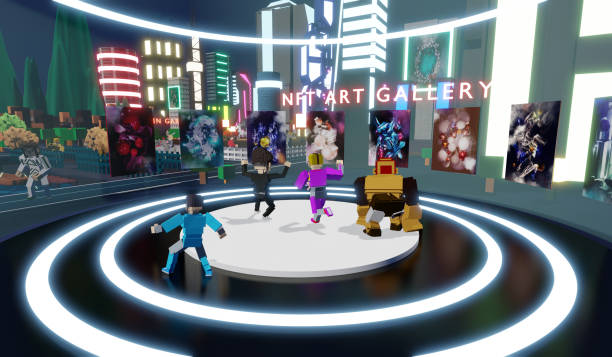
Explore OpenSea and Rarible NFT: Your Ultimate Guide to Digital Art Trading
Welcome to the world of OpenSea and Rarible NFT, where digital collectibles and non-fungible tokens (NFTs) are revolutionizing the art market. These platforms offer a decentralized marketplace for buying and selling rare digital assets and collectible assets. Powered by blockchain technology, they ensure transparency, security, and ownership verification in NFT trading. The concept of NFTs [...]
The post Explore OpenSea and Rarible NFT: Your Ultimate Guide to Digital Art Trading first appeared on Tekrati and is written by Khezia
]]>Explore OpenSea and Rarible NFT: Your Ultimate Guide to Digital Art Trading
Welcome to the world of OpenSea and Rarible NFT, where digital collectibles and non-fungible tokens (NFTs) are revolutionizing the art market. These platforms offer a decentralized marketplace for buying and selling rare digital assets and collectible assets. Powered by blockchain technology, they ensure transparency, security, and ownership verification in NFT trading.

The concept of NFTs has gained significant traction in recent years, with blockchain technology enabling the creation of unique and valuable digital assets that can be traded with ease. OpenSea and Rarible NFT are leading players in the NFT marketplace, offering a range of features and functionalities that make it easy for users to navigate the platform.
Join us as we explore the world of NFTs and discover how OpenSea and Rarible NFT are changing the game for digital art trading. We’ll take a closer look at the various aspects of NFT art and provide insights and tips on how to invest and profit in this exciting new market.
Understanding OpenSea and Rarible NFT
OpenSea and Rarible NFT are decentralized marketplaces that allow users to buy and sell non-fungible tokens (NFTs) using blockchain technology. They both operate on the Ethereum blockchain, which enables secure and transparent transactions by recording all activity on a public ledger.
OpenSea, founded in 2017, is the largest NFT marketplace, with over four million items listed and 135,000 users. It offers a wide range of digital collectibles, including art, sports memorabilia, and virtual real estate.
Rarible, founded in 2020, is a newer player in the NFT market, but it has already gained a significant following. It allows users to create their own NFTs and sell them on the platform. Rarible also offers a unique governance token called RARI, which gives holders a say in the platform’s development and management.
How OpenSea and Rarible Work
OpenSea and Rarible operate similarly to traditional online marketplaces such as eBay or Amazon. Users can browse listings, create profiles, and make purchases or sales using various payment methods, including cryptocurrencies like Ethereum.
However, what sets OpenSea and Rarible apart is their use of blockchain technology. By leveraging the Ethereum blockchain, these marketplaces can offer greater security and transparency in NFT transactions. Each NFT has a unique digital signature that verifies its ownership, origin, and transaction history, making it impossible to duplicate or counterfeit.
OpenSea and Rarible also allow for the creation of smart contracts, which are self-executing digital contracts that can automatically execute the terms of an agreement between buyers and sellers. This means that once an NFT is sold, the transaction is automatically processed, and the payment is transferred to the seller’s account.

Overall, OpenSea and Rarible provide a user-friendly and secure way for buyers and sellers to trade NFTs. By leveraging the power of blockchain technology, they offer a new way to invest in rare digital assets and collectibles.
The Emergence of Crypto Art and NFT Art
With the rise of blockchain technology and the NFT marketplace, digital art has found a new dimension in the form of crypto art and NFT art.
Crypto art refers to digital art that has been registered and verified on a blockchain network, allowing the artists to prove ownership and authenticity. NFT art, on the other hand, is a type of crypto art that is sold as a unique digital asset on the NFT marketplace.
The popularity of crypto art and NFT art is partly due to the fact that art collectors and enthusiasts can now own rare digital assets that were previously not possible to buy or sell. The digital scarcity and provenance of NFT art provide a new level of value for collectors and investors.

Furthermore, the NFT marketplace has enabled artists to earn revenue and recognition for their digital creations. NFT art has already seen some record-breaking sales, with digital artist Beeple selling a single piece for $69 million in March 2021.
All in all, the world of crypto art and NFT art is still in its early stages, but the potential for growth and innovation in this space is limitless.
Investing and Profiting in the NFT Market
If you’re looking to invest in rare digital assets and collectible assets, OpenSea and Rarible NFT are great platforms to explore. However, investing in the NFT market requires a strategic approach to maximize returns and mitigate risks.
Identifying valuable NFTs
The first step in investing in the NFT market is to identify valuable NFTs. This involves doing research and keeping an eye on market trends. Look for NFTs that have a unique story or valuable characteristics, such as digital scarcity or historical significance.
Another way to identify valuable NFTs is to follow industry experts and influencers on social media platforms like Twitter. They often share insights and tips on promising NFTs to watch out for.
| Tip: | Consider investing in NFTs that have real-world utility, like ownership of physical assets or access to exclusive events. |
|---|
Understanding market trends
Understanding market trends is crucial to making informed investment decisions. Keep an eye on the latest NFT sales and watch out for emerging artists and creators. Look for patterns in market fluctuations and study the behavior of buyers and sellers.
It’s also helpful to diversify your NFT portfolio to minimize risk. Consider investing in a mix of established and emerging NFTs to balance out potential losses.
Maximizing returns
To maximize returns on investment in the NFT market, it’s important to be patient and take a long-term perspective. While some NFTs may experience rapid price surges, others may take time to appreciate in value.
Another way to maximize returns is to participate in the trading of NFTs through OpenSea and Rarible’s marketplace. By buying and selling NFTs strategically, you can take advantage of market trends and generate profits.

Risks and challenges
Like any investment, the NFT market is not without risks and challenges. One major risk is the possibility of fraud or scams, with some NFTs being created and sold without actual ownership or provenance.
Another challenge is the volatility of the NFT market, with prices fluctuating rapidly and unpredictably. It’s important to be prepared for potential losses and to invest only what you can afford to lose.
Despite these risks, the NFT market offers a unique opportunity for investors to participate in the growing world of digital art and collectibles.
Frequently Asked Questions about OpenSea and Rarible NFT
As with any new platform, there are always questions that arise for users. In this section, we’ll address some of the most frequently asked questions about OpenSea and Rarible NFT to help you navigate these decentralized marketplaces with ease.
How do I set up an account on OpenSea and Rarible NFT?
To set up an account on OpenSea, simply visit their website and click on the “Sign up” button located at the top right corner. Enter your email address and create a password, and you’ll receive a verification email to activate your account. For Rarible NFT, you can sign up using your Google or Twitter account, or create an account using your email address and password.
What is the transaction process like on these platforms?
The transaction process on both platforms is straightforward. To buy an NFT, simply browse the marketplace, find an item that you’re interested in, and place your bid or purchase the item using your cryptocurrency wallet. To sell an NFT, you’ll need to create a listing, set your asking price, and wait for buyers to make an offer. Once a deal is struck, the transaction will be processed using the blockchain technology that these platforms are built on.
Are there any fees associated with using OpenSea and Rarible NFT?
Yes, both platforms charge a fee for transactions. OpenSea charges a 2.5% fee on all sales, while Rarible NFT charges a 2.5% fee for sales and a 2.5% fee for purchases. These fees go towards maintaining the platforms and ensuring secure transactions for users.
How secure are these platforms?
OpenSea and Rarible NFT use blockchain technology to ensure that transactions are secure and the ownership of NFTs is verified. However, it’s important to note that there is always a risk associated with any online platform, so it’s crucial that you take steps to protect your account and personal information. Be sure to use a strong password and enable two-factor authentication to add an extra layer of security to your account.
What are the risks associated with investing in the NFT market?
As with any investment, there is always a risk of losing money. The value of NFTs can fluctuate rapidly, and it’s important to do your research and invest wisely. It’s also important to be cautious of scams and fraudulent activity on these platforms. Always verify the authenticity of an NFT before making a purchase and stick with reputable sellers.
At Tekrati, we deliver engaging tech news stories and in-depth analysis to keep you on the cutting edge. We cover AI, computing, smartphones, cybersecurity and all tech innovations with curiosity and clarity. We believe technology empowers progress when guided by diverse perspectives. Visit Tekrati.com to explore the future of tech through our thoughtful articles, how-tos and interviews.
The post Explore OpenSea and Rarible NFT: Your Ultimate Guide to Digital Art Trading first appeared on Tekrati and is written by Khezia
]]>
A Guide to the Best NFT Marketplaces
Welcome to our comprehensive guide on the best NFT marketplaces in the industry. As the demand for non-fungible tokens (NFTs) continues to grow rapidly, it is crucial to choose the right platform to buy and sell these digital assets. With so many options available, it can be challenging to determine which NFT marketplace is reputable, [...]
The post A Guide to the Best NFT Marketplaces first appeared on Tekrati and is written by Khezia
]]>A Guide to the Best NFT Marketplaces
The top NFT marketplaces are OpenSea, Rarible, SuperRare, and Nifty Gateway. Key factors when choosing a marketplace are fees, audience, and ease of use. Diversify your NFT portfolio by investing across different marketplaces and categories to minimize risk.
In this guide, we will provide an overview of the top NFT marketplaces available in the market. We’ll explain what NFT marketplaces are, how they work, and why they’re beneficial for both artists and collectors. We’ll also review the leading NFT exchanges, popular NFT marketplaces, and top-rated NFT trading platforms to help you make informed decisions.
What are NFT Marketplaces?
NFT marketplaces are online platforms where individuals can buy, sell and trade non-fungible tokens. These marketplaces provide a platform for artists, collectors and investors interested in owning unique digital assets such as artwork, music, and even tweets.
NFTs are unique digital assets that are stored on a blockchain, making them secure and almost impossible to duplicate. In simple terms, they are like digital certificates of authenticity that verify ownership of a piece of digital content. NFT marketplaces provide a platform for artists to monetize their digital creations by selling them as NFTs. On the other hand, collectors can invest in rare and unique digital assets or even trade them on the same platform.
“NFT marketplaces provide a platform for artists to monetize their digital creations by selling them as NFTs.”
One of the main features of NFT marketplaces is that they allow artists to retain the rights to their digital creations, even after they have been sold as NFTs. This means that artists can continue to earn royalties each time their piece is resold, making NFTs a lucrative option for creators.
The concept of NFTs is still relatively new, and as a result, the number of NFT marketplaces continues to grow. This expansion has led to increased competition among platforms, leading to the development of unique features and services that differentiate them from each other.
As the market evolves, it is important to choose a reputable and trusted NFT marketplace that aligns with your goals, whether you are an artist, collector, or investor.
Top NFT Marketplaces for Buying and Selling
There are several NFT marketplaces available in the market, each with its own set of features and fees. Here is an overview of some of the top-rated marketplaces:
| Marketplace | Features | Fees |
|---|---|---|
| OpenSea | Large selection of NFTs, customizable storefronts for creators, gas-free trading options | 2.5% fee on sales |
| Rarible | Creators can mint their own NFTs, built-in royalty payment system for artists | 2.5% fee on sales |
| SuperRare | Curated selection of high-quality artworks, artist interviews and features | 3% fee on sales |
| Nifty Gateway | Easy-to-use platform with high-profile artists and partnerships, exclusive drops and auctions | 3% fee on sales, additional fees for credit card purchases |
These top NFT marketplaces are all reputable and trusted platforms for buying and selling NFTs. However, it’s important to do your research and find the platform that best suits your needs and preferences.
Image source: 
Best NFT Marketplaces / Trading Platforms for Artists
For artists looking to sell their digital artworks as NFTs, choosing the right platform is crucial. Here are some of the best NFT trading platforms for artists:
| Platform | Features | Fees |
|---|---|---|
| SuperRare | Curated platform that showcases high-quality works from emerging and established artists. Offers limited edition drops and auctions. | 3% commission on sales. |
| Nifty Gateway | Owned by the Winklevoss twins, Nifty Gateway is known for its collaborations with well-known artists. Offers timed drops and auctions. | 3% commission on sales. |
| KnownOrigin | Curated platform that focuses on original digital art. Offers limited edition drops and auctions. | 15% commission on sales. |
When choosing a platform, it’s important to consider factors such as fees, audience, and ease of use. Some platforms may have higher fees but offer greater exposure and potential sales. Others may have a more niche audience but provide a more curated and personalized experience.
For artists just starting out in the NFT marketplace, it’s also important to establish a strong social media presence and network within the community. This can help generate interest and build a following for your work.
Remember to always do your research and choose a platform that aligns with your goals and values as an artist.
Diversifying Your NFT Portfolio
While it’s important to choose the right NFT marketplace to buy and sell digital assets, another critical factor to consider is diversifying your NFT portfolio.
Owning NFTs from different best NFT marketplaces and categories can help mitigate risk and provide more opportunities for growth. When you diversify your NFT portfolio, you are spreading your investment across multiple holdings, reducing the impact of any single asset’s performance.
In addition to reducing risk, owning NFTs from different categories can also provide potential for higher returns. For example, while some NFTs may appreciate in value over time, others may not. By diversifying your portfolio, you increase your chances of owning NFTs that will appreciate in value.
To diversify your NFT portfolio effectively, consider investing in NFTs from different marketplaces and categories. For example, you could invest in NFTs from gaming, art, sports, and music categories. You could also consider investing in collectibles, such as rare or limited edition NFTs.
When diversifying your NFT portfolio, it’s important to keep in mind the potential for liquidity issues. Not all NFTs are easy to sell, so it’s essential to research the market and choose assets that have a higher potential for resale.
Ultimately, diversifying your NFT portfolio can help you minimize risk, increase potential returns, and provide exposure to different categories.

“Diversification is about owning different things at different times.” – Sir John Templeton
Frequently Asked Questions
What fees are associated with buying and selling NFTs on marketplaces?
Most NFT marketplaces charge a transaction fee for each purchase and sale made on their platform. The fees vary by marketplace and can range from 1% to 10% of the total transaction value. It is essential to review the fee structure of each marketplace carefully before buying or selling NFTs to avoid any unexpected costs.
Are NFTs on marketplaces secure?
Yes, most NFT marketplaces are designed to be secure and protect both buyers and sellers. They use advanced encryption and security protocols to safeguard transactions and user data. However, it is always advisable to choose a reputable and trusted NFT marketplace to ensure maximum security.
How liquid are NFTs on marketplaces?
The liquidity of NFTs varies by marketplace and depends on factors such as demand, supply, and the specific NFTs being traded. Some NFT marketplaces have higher liquidity than others, making it easier to buy and sell NFTs quickly. However, it is always essential to conduct research and understand the market dynamics before investing in any NFTs.
What are the future trends in the NFT marketplace?
The NFT marketplace is still relatively new, and the future trends are difficult to predict. However, experts predict that the market will continue to grow and mature, with more artists and creators entering the space. They also predict an increase in the use of blockchain technology to create more secure and transparent NFT marketplaces.
How do I get started in the NFT marketplace?
To get started in the NFT marketplace, you will need to choose a reputable and trusted NFT marketplace, search for the new upcoming nft marketplaces create an account, and fund your wallet. Once you have done this, you can start browsing the marketplace, buying and selling NFTs. It is also essential to conduct research, understand the market dynamics, and diversify your portfolio to maximize your success in the NFT marketplace.
At Tekrati, we deliver engaging tech news stories and in-depth analysis to keep you on the cutting edge. We cover AI, computing, smartphones, cybersecurity and all tech innovations with curiosity and clarity. We believe technology empowers progress when guided by diverse perspectives. Visit Tekrati.com to explore the future of tech through our thoughtful articles, how-tos and interviews.
The post A Guide to the Best NFT Marketplaces first appeared on Tekrati and is written by Khezia
]]>
What is a Multichain Hack?
In recent years, blockchain technology has taken the world by storm, revolutionizing numerous industries with its decentralized and immutable nature. However, as with any emerging technology, the potential for vulnerabilities and security breaches also arises. One such security concern is the occurrence of multichain hacks. To fully understand the impact and significance of these hacks, [...]
The post What is a Multichain Hack? first appeared on Tekrati and is written by Khezia
]]>What is a Multichain Hack?
In recent years, blockchain technology has taken the world by storm, revolutionizing numerous industries with its decentralized and immutable nature. However, as with any emerging technology, the potential for vulnerabilities and security breaches also arises. One such security concern is the occurrence of multichain hacks. To fully understand the impact and significance of these hacks, it is essential to explore the different types, analyze their technical aspects, and delve into notable exploits and attacks. Furthermore, we will discuss the security practices and insurance products available for securing multichain ecosystems. Additionally, we will examine measures for preventing fraud and recovering stolen crypto assets and, finally, explore the evolving landscape of regulation and law enforcement surrounding multichain technologies.
Exploring the Different Types of Multichain Hack
When it comes to multichain hacks, there are various methods and attack vectors that hackers exploit. One prevalent type is the manipulation of consensus mechanisms. By compromising the consensus protocol that governs how nodes reach agreement on the state of the blockchain, attackers can manipulate the distributed ledger and siphon off assets.
Consensus mechanisms are at the heart of any blockchain system, ensuring that all nodes in the network agree on the validity of transactions and the state of the blockchain. However, these mechanisms are not immune to attacks. Hackers may employ different techniques, such as the infamous 51% attack, where they gain control of the majority of the network’s computing power and can then rewrite the blockchain’s history. This allows them to double-spend coins or invalidate previously confirmed transactions, causing chaos and financial losses.
Another type of multichain hack is the exploitation of vulnerabilities within smart contracts. These autonomous pieces of code that execute predefined functions on the blockchain are susceptible to coding errors and loopholes, allowing hackers to manipulate the contract’s behavior for their gain.
Smart contracts have revolutionized the way transactions are conducted on blockchains, enabling the automation of agreements and eliminating the need for intermediaries. However, their complexity can also be their downfall. Hackers can exploit vulnerabilities in the code, such as reentrancy attacks or integer overflow, to manipulate the contract’s logic and siphon off funds. These attacks have resulted in significant financial losses for individuals and organizations alike.
Furthermore, a popular attack vector involves the compromise of private keys. Multichain ecosystems rely on cryptographic key pairs to facilitate transactions. If an attacker gains access to the private keys, they can gain control over the blockchain addresses the corresponding wallet and drain the assets it holds.
Private keys are the digital equivalent of a physical key to a safe. They grant access to the funds stored in a wallet and are essential for conducting transactions securely. However, if these keys fall into the wrong hands, the consequences can be devastating. Hackers may employ various techniques to obtain private keys, using several methods, including phishing, malware, or even physical theft. Once in possession of the private keys, they can transfer the funds to their own wallets, leaving the original owner empty-handed.
Additionally, there are attacks that target the communication channels between chains, known as bridges. By exploiting vulnerabilities in the protocol design of these bridges, hackers can intercept and manipulate transactions between different blockchains. These types of attacks are referred to as bridge exploits and have resulted in millions of dollars stolen from major cross-chain bridges.
Bridges play a crucial role in multichain ecosystems, enabling interoperability and facilitating the transfer of assets between different blockchains. However, these bridges are not immune to attacks. Hackers may exploit weaknesses in the communication protocols or the bridge protocol’s code to intercept transactions and modify their contents. By doing so, they can redirect funds to their own wallets or tamper with the integrity of the transferred assets.
In conclusion, multichain hacks encompass a wide range of attack vectors, each with its own unique risks and consequences. From manipulating consensus mechanisms and exploiting vulnerabilities in smart contracts to compromising private keys and attacking communication channels between chains, hackers continually innovate to exploit weaknesses in multichain ecosystems. It is crucial for individuals and organizations to stay vigilant, employ robust security measures, and keep up with the latest developments in blockchain security to protect their assets and ensure the integrity of their multichain networks.
Technical analysis of how multichain hacks occur
To better understand the intricacies of multichain hacks, let us delve into the technical aspects behind their occurrence. First and foremost, the decentralized nature of blockchains provides a layer of security as it removes single points of failure. However, this also introduces challenges as the shared responsibility to assess risk for security is distributed among multiple participants. Any weak link within the ecosystem, whether it be a vulnerable smart contract or a compromised node, can potentially lead to an exploitation.
Furthermore, the decentralized nature of blockchains means that consensus protocols, such as Proof-of-Work or Proof-of-Stake, are employed to validate transactions. These protocols ensure that the majority of participants agree on the state of the blockchain. However, this opens up the possibility of attacks such as 51% attacks, where a malicious actor gains control of the majority of the network’s computational power or stake, allowing them to manipulate the blockchain’s history and potentially double-spend coins.
Additionally, the transparency of blockchains presents both strengths and weaknesses. On one hand, it allows for the tracking and auditing of transactions, making it difficult for hackers to cover their tracks entirely. The public ledger ensures that every transaction is recorded and can be traced back to its origin. However, this transparency may inadvertently expose sensitive information that can be leveraged for attacks. For example, hackers can exploit vulnerabilities related to public keys or transaction metadata to gain unauthorized access to funds or compromise the integrity of the blockchain.
Another crucial aspect to consider is the evolving nature of blockchain technology. As it continues to innovate and adapt, new attack vectors emerge. Hackers are constantly looking for vulnerabilities in smart contracts, consensus algorithms, or network protocols to exploit. Consequently, constant vigilance and proactive security measures are necessary to stay ahead of hackers.
Regular audits, vulnerability assessments, and penetration testing should be performed to identify and address any technical issues or weaknesses before a malicious actor can exploit them. Smart contracts, which are self-executing contracts with the terms of the agreement directly written into code, should undergo rigorous audits to identify any potential vulnerabilities or bugs in faulty code that could be exploited. Similarly, network nodes should be regularly monitored and updated to ensure they are running the latest security patches and protocols.
Furthermore, it is essential for blockchain developers, security experts, and participants to stay informed about the latest security best practices and to engage in ongoing education and training. By staying up-to-date with the latest developments in blockchain security, individuals can better protect themselves and their networks from potential attacks.
In conclusion, multichain hacks occur due to various technical factors. The decentralized nature of blockchains, the transparency of transactions, and the evolving nature of blockchain technology all contribute to the potential vulnerabilities that hackers can exploit. However, by implementing robust security measures, conducting regular audits, and staying informed about the latest security practices, participants in the blockchain ecosystem can mitigate the risks associated with multichain hacks.
Notable multichain exploits and attacks
Over the years, the blockchain ecosystem has witnessed several high-profile multichain exploits and attacks. One notable incident is the notorious DAO (Decentralized Autonomous Organization) hack. In 2016, an attacker exploited a vulnerability in a smart contract on the Ethereum network, resulting in the theft of approximately 3.6 million Ether, equivalent to millions of dollars at the time. This incident underscored the importance of rigorous smart contract audits and thorough testing to prevent similar vulnerabilities from being exploited.
Phishing Links Targeting Multichain and Fantom Users Emerge on Twitter
Scammers, running a website similar to the official Fantom website, posted a spam email that received almost 5,000 comments on its site. In addition, shady online hackers warned the community of the links being used. The extent of this fraud is not clear.
The fraudulent distribution of Fantom $FTM to users — falsely linked to the Multichain attack — is rapidly spreading on Twitter, attracting significant attention. The post has attracted a lot of attention from Twitter users.
In the tweet, the scammers stated:
“Due to the Multichain hack, Fantom Foundation is issuing an emergency FTM distribution to all users. All users who have interacted with the FTM chain are eligible to claim.”
A phishing link was included in the tweet and shared with the affected users, leading them to believe it is associated with Fantom Foundation, the nonprofit organization responsible for the Fantom network.
A phishing link was included in the tweet and shared with the affected users of the hack, leading them to believe it was associated with the Fantom Foundation.
Circle and Tether Blacklist Over $67M of Stolen Funds
Stablecoin issuer Tether and Circle have reportedly blacklisted five addresses whose assets have been stolen. This firm also froze 66 million dollars containing USC and USDTT, roughly 50% of stolen funds. Blockchain firm Peckshield announced on Tuesday that Circle had blocked two addresses requesting money inflows by Multichain. The three addresses, 0x027B1, 0xefEeF, and 4x42E, were worth USD 65m. Fantom also revealed Tether was blacklisted with 0x35354 and 0x9bc6. Both addresses have USDT equivalents of 2.5m.
Another significant multichain attack occurred in 2020 when the decentralized finance (DeFi) protocol, bZx, fell victim to a series of flash loan attacks. These attacks leveraged complex transactions and the interplay between multiple DeFi platforms to manipulate market prices and siphon off funds. Once again, this highlighted the need for robust security measures and comprehensive audits within the rapidly evolving DeFi space.
These high-profile hacks serve as cautionary tales and reminders that no multichain ecosystem is entirely immune to security breaches. However, they also serve as catalysts for the development of improved security practices and innovative insurance products aiming to mitigate the risks associated with multichain environments.
Security practices for securing bridges and chains
Securing bridges and chains within multichain ecosystems is paramount to ensure the integrity and safety of the assets held within them. One fundamental security practice is the implementation of thorough code reviews and audits for smart contracts and bridges. As these components form the backbone of interchain transactions, diligently examining their code and identifying potential vulnerabilities is crucial.
Additionally, establishing robust authentication mechanisms for chain interactions is vital. Implementing multi-signature schemes cross-chain, where multiple parties must approve transactions, can mitigate the risk of a single compromised private key theft compromising the entire ecosystem. Moreover, the adoption of hardware security modules (HSMs) can enhance the security of private keys by storing them in dedicated tamper-resistant devices.
Regular monitoring and real-time threat detection play a pivotal role in tackling multichain hacks. Employing advanced analytics and security tools to monitor the network for anomalous behavior can help identify potential threats and take proactive measures to prevent or mitigate their impact.
Insurance products for multichain ecosystems
Recognizing the need to address the financial risks associated with multichain hacks, insurance products tailored to mitigate risk and for blockchain ecosystems have emerged. These insurance offerings aim to provide coverage for lost or stolen assets, financial losses resulting from smart contract vulnerabilities, and even liability coverage for protocol developers.
The development of insurance products for multichain ecosystems faces unique challenges. Assessing the risk associated with blockchain-based assets and implementing appropriate underwriting frameworks requires a deep understanding of the technology and its vulnerabilities. As the ecosystem evolves, insurers will need to adapt their offerings and coverage to keep pace with emerging threats and industry best practices.
Preventing fraud and recovering stolen crypto assets
In the unfortunate event of a multichain hack, preventing further fraud and recovering stolen crypto assets becomes paramount. The first step is to establish clear incident response procedures and engage with relevant stakeholders, such as law enforcement agencies and cybersecurity experts specializing in blockchain technologies.
Timely communication and collaboration with affected parties and the broader blockchain community serve two crucial purposes. Firstly, it enables the dissemination of information regarding the attack to raise awareness and minimize the potential spread of the exploit. Secondly, it facilitates the coordination of efforts to analyze the attack vector, track stolen funds, and potentially recover the lost assets.
Furthermore, blockchain analytics and forensic tools are essential resources for tracking stolen crypto assets. By analyzing on-chain transactions and conducting investigations, cybersecurity professionals can identify wallets associated with the attacker and potentially trace the flow of stolen funds. While complete recovery might not always be possible due to the pseudonymous nature of blockchains, such efforts can act as deterrents and provide closure to affected parties.
Regulation and law enforcement around multichain
The multichain ecosystem exists within a broader regulatory landscape that is continually adapting to address the unique challenges and opportunities associated with blockchain technologies. As governments and regulatory bodies strive to strike a balance between fostering innovation and protecting investors and consumers, an evolving framework of regulations and guidelines is emerging.
Law enforcement agencies around the world are also adapting to the changing landscape. Specialized units focusing on cybercrime and cryptocurrency-related investigations have been established in various jurisdictions. Collaboration between law enforcement agencies and the blockchain community is crucial for staying ahead of malicious actors and effectively prosecuting those who engage in illicit activities within multichain ecosystems.
While regulation and law enforcement efforts are essential for maintaining a safe and secure multichain ecosystem, it is also crucial to strike a balance that fosters innovation and avoids stifling growth. Regulatory frameworks should be designed to address potential risks without stifling technological advancements and entrepreneurial activities.
In Conclusion
Multichain hacks are a significant security concern within the blockchain ecosystem. Understanding the different types of hacks, their technical aspects, and notable exploits helps raise awareness and drive the adoption of robust security practices. Mitigating risks, securing bridges and chains, and exploring insurance products are crucial steps towards bolstering the security of multichain ecosystems. Furthermore, preventing fraud, recovering stolen assets, and navigating the regulatory landscape requires a collaborative effort between stakeholders to foster a safe and innovative environment. As the multichain ecosystem continues to expand and evolve, it is imperative that industry and many ecosystem participants remain vigilant and prioritize the security of these transformative technologies.
The post What is a Multichain Hack? first appeared on Tekrati and is written by Khezia
]]>
When Worlds Collide: Luxury Watches and NFTs
The status quo in the collecting world has been upended by the exploding popularity of NFTs. Whether you’re an avid tech-head, watch enthusiast, or just an innocent bystander, you’ve probably heard some impressive reports about the dizzying heights NFTs have reached in recent years. Digital artwork, avatars, and virtual real estate on metaverse platforms have [...]
The post When Worlds Collide: Luxury Watches and NFTs first appeared on Tekrati and is written by Gia Patterson
]]>When Worlds Collide: Luxury Watches and NFTs
The post When Worlds Collide: Luxury Watches and NFTs first appeared on Tekrati and is written by Gia Patterson
]]>
NFTs in P2E Games: A Double-Edged Sword
Many famous artists releasing digital collectible tokens have created a lot of speculative value to an already overheated market. This makes it tough to look past the hype of NFTs to the breakthroughs that may lie beneath, especially when it comes to play-to-earn (P2E) games. Making Room for RMT through NFTs P2E is a gaming [...]
The post NFTs in P2E Games: A Double-Edged Sword first appeared on Tekrati and is written by Gia Patterson
]]>NFTs in P2E Games: A Double-Edged Sword
The post NFTs in P2E Games: A Double-Edged Sword first appeared on Tekrati and is written by Gia Patterson
]]>
Mining Bitcoin Solo vs. Equipment Hosting Services
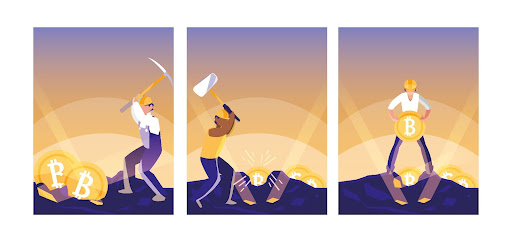
Cryptocurrencies are undergoing new waves of growing popularity every year. At these moments, it seems that everything around is focused on digital money and it is exactly necessary to try yourself in this business. As soon as the wave of hype passes, people stop being actively interested in coins, but investors and those who want [...]
The post Mining Bitcoin Solo vs. Equipment Hosting Services first appeared on Tekrati and is written by Gia Patterson
]]>Mining Bitcoin Solo vs. Equipment Hosting Services
The post Mining Bitcoin Solo vs. Equipment Hosting Services first appeared on Tekrati and is written by Gia Patterson
]]>
5 Activities You Can Enjoy in the Metaverse
We all know that the Metaverse is a virtual world. This computer-simulated reality can be accessed through the internet using a virtual reality headset or mobile application. Metaverse is not just a place to visit but also a platform for creating 3D content. It allows users to create and monetize their own virtual experiences and [...]
The post 5 Activities You Can Enjoy in the Metaverse first appeared on Tekrati and is written by Gia Patterson
]]>5 Activities You Can Enjoy in the Metaverse
The post 5 Activities You Can Enjoy in the Metaverse first appeared on Tekrati and is written by Gia Patterson
]]>