
How Tesla is Fueling the Sustainable Transport Movement
Tesla, under the leadership of Elon Musk, has become a driving force in promoting sustainable transportation. The company is known for its innovative electric vehicles, including the Tesla Model S, Model 3, Model X and Model Y, which have helped to popularize the use of renewable energy in the automotive industry. Tesla’s commitment to sustainable [...]
The post How Tesla is Fueling the Sustainable Transport Movement first appeared on Tekrati and is written by Khezia
]]>How Tesla is Fueling the Sustainable Transport Movement
Tesla, under the leadership of Elon Musk, has become a driving force in promoting sustainable transportation. The company is known for its innovative electric vehicles, including the Tesla Model S, Model 3, Model X and Model Y, which have helped to popularize the use of renewable energy in the automotive industry.
Tesla’s commitment to sustainable transportation extends beyond just producing electric cars. The company is also investing heavily in autonomous driving technology, with the goal of making transportation safer and more efficient. Through these efforts, Tesla is helping to reshape the automotive industry and pave the way towards a greener, more sustainable future.
The Rise of Electric Vehicles
Electric vehicles (EVs) are becoming increasingly popular as more people are switching to sustainable transportation options. In recent years, Tesla has been leading the charge in the EV market, offering a range of electric cars that have revolutionized the way we think about transportation.
With the rising concern over climate change and the need for environmentally-friendly solutions, the demand for EVs has been steadily increasing. According to the International Energy Agency, the global electric car fleet reached over 7.2 million in 2019, setting a new record and marking a 40% increase from the previous year.
One of the biggest benefits of EVs is their reliance on renewable energy sources, such as wind and solar power. This means that they produce significantly fewer emissions compared to traditional gas-powered cars, making them a more sustainable transportation option.
The Tesla Model S
The Tesla Model S is a luxury electric sedan that has been making waves in the automotive industry since its release in 2012. The Model S is known for its impressive range, sleek design, and advanced technology features.
| Key Features | Benefits for Sustainable Transportation |
|---|---|
| Long Range | The Model S has a range of up to 402 miles on a single charge, making it a practical option for long distance travel without relying on fossil fuels. |
| Supercharging Network | Tesla’s Supercharging Network allows Model S owners to quickly and easily charge their vehicles on long road trips. |
| Advanced Autopilot Features | The Model S’ advanced autopilot features make driving safer and more efficient by reducing driver error and optimizing driving patterns. |
| Renewable Energy Integration | The Model S is designed to integrate seamlessly with renewable energy sources, such as solar panels, allowing for truly sustainable transportation. |
| Luxury Design | The Model S proves that sustainable transportation can be both environmentally friendly and stylish. |
Overall, the Tesla Model S is an excellent example of how electric vehicles can provide a practical, sustainable alternative to fossil fuel-powered cars without sacrificing performance or style.
The Tesla Model 3
The Tesla Model 3 is a sleek and modern electric car that has quickly become one of the most popular models on the market. With a starting price of under $40,000, it offers an affordable option for those looking to make the switch to sustainable transportation.
One of the standout features of the Model 3 is its impressive range. Depending on the specific configuration, it can travel up to 358 miles on a single charge, making it a great option for long distance road trips. Additionally, it boasts a quick acceleration and top speed, making it a fun and enjoyable ride.
But it’s not just about performance – the Model 3 also prioritizes sustainability. It has a minimalist design that reduces unnecessary materials and features, resulting in a lighter and more eco-friendly vehicle. And of course, being an electric car, it produces zero emissions while driving.
Features of the Tesla Model 3:
| Feature | Description |
|---|---|
| Range | Up to 358 miles on a single charge |
| Acceleration | 0-60 mph in as little as 3.1 seconds |
| Design | Minimalist and eco-friendly |
| Autopilot | Optional advanced driver assistance features |
“The Model 3 is a game-changer in the world of electric cars. It offers a balance of performance, affordability, and sustainability that sets it apart from other models on the market.” – John Doe, electric car enthusiast
The Tesla Model X
The Tesla Model X is an all-electric luxury SUV that exemplifies the company’s commitment to sustainable transportation. With its sleek design and impressive performance, the Model X is a popular choice for drivers who value both style and eco-friendliness.
| Key Features | Benefits for Sustainable Transportation |
|---|---|
| Falcon Wing doors | Allows for easier entry and exit for passengers, reducing the need for larger parking spaces and making the Model X more practical for urban environments. |
| Long driving range | With a range of up to 371 miles (depending on the model), the Model X can travel long distances on a single charge, making it a great option for road trips and reducing the need for frequent charging stops. |
| Powerful acceleration | The Model X can go from 0 to 60 mph in as little as 2.5 seconds, making it a fun and exciting driving experience while also reducing harmful emissions from traditional gas-powered cars. |
| Autopilot advanced safety and convenience features | Allows for safer and more efficient driving, reducing the risk of accidents and improving traffic flow. This can ultimately lead to less air pollution and a more sustainable transportation system. |
Overall, the Tesla Model X is a prime example of how electric vehicles can promote sustainable transportation without sacrificing style or performance.
The Tesla Model Y
The Tesla Model Y is the newest addition to Tesla’s electric vehicle lineup, and it is quickly gaining popularity among sustainable transportation enthusiasts. This compact SUV boasts impressive performance and range, while also promoting eco-friendly solutions.
One of the key features of the Model Y is its efficiency. With a range of up to 326 miles on a single charge, it can cover long distances with ease. It also has a top speed of 135 mph and can accelerate from 0-60 mph in as little as 3.5 seconds, making it a fun and exhilarating driving experience.
In addition to its impressive performance, the Model Y also prioritizes sustainability. It features a fully electric powertrain, which means it produces zero emissions. It also utilizes regenerative braking, which recaptures energy that would otherwise be lost during braking and uses it to recharge the battery.
The Model Y also comes equipped with a variety of safety features, including automatic emergency braking and a built-in dashcam. It also has the option for Full Self-Driving capability, which allows for autonomous driving on highways and in parking lots.
Overall, the Tesla Model Y is an impressive electric vehicle that is sure to make a big impact on the sustainable transportation movement. Its combination of performance, efficiency, and eco-friendliness make it an appealing choice for those looking to make a positive impact on the environment without sacrificing style or functionality.
The Role of Elon Musk
Elon Musk, the CEO of Tesla, has been a driving force in advancing sustainable transportation. His vision for the future of transportation involves a shift away from fossil fuels and towards renewable energy sources.
Musk has been a vocal advocate for electric vehicles and has made it his mission to make them more accessible to people around the world. He has also been a proponent of solar energy and has worked to promote the use of solar power in homes and businesses.
Throughout his career, Musk has been known for his innovative approach to problem-solving and his willingness to take risks. He has been instrumental in the development of many of Tesla’s key technologies, including its electric powertrain and autonomous driving features.
The Visionary
At the heart of Musk’s drive to advance sustainable transportation is his vision for a better future. He believes that by shifting towards renewable energy and electric vehicles, we can create a cleaner, healthier, and more sustainable world.
“We’re changing the world at a level that people today don’t even understand. It’s a fundamental restructuring of the way the world works.”
With his leadership and vision, Musk has positioned Tesla as a leader in the sustainable transportation movement, inspiring others to follow in his footsteps.
Autonomous Driving and Sustainable Transportation
Autonomous driving technology has the potential to revolutionize the way we think about transportation and its impact on the environment. By reducing human error, it can lead to safer and more efficient driving, which can translate into lower emissions and fuel consumption.
Tesla is at the forefront of the autonomous driving movement, with its Autopilot and Full Self-Driving capabilities. Autopilot is an advanced driver assistance system that can assist with steering, braking, and acceleration. Full Self-Driving, on the other hand, is a more advanced system that enables the vehicle to drive itself with minimal input from the driver.
While autonomous driving technology is still in its early stages, its potential impact on sustainable transportation is significant. With Tesla leading the way in developing and implementing this technology, we can expect to see more eco-friendly transportation solutions in the future.
The Impact of Tesla on the Automotive Industry
Tesla’s impact on the automotive industry cannot be overstated. The company has pushed the boundaries of traditional car manufacturing and set new standards for sustainability and innovation.
One of the most significant ways Tesla has influenced the industry is by accelerating the shift towards electric vehicles. Tesla’s success has demonstrated that electric cars are not only viable but also desirable, providing a compelling alternative to gas cars.
| Tesla’s Impact on the Automotive Industry | Examples |
|---|---|
| Increasing demand for electric vehicles | Tesla’s sales figures and market share continue to grow, putting pressure on other automakers to develop their own electric cars. |
| Promoting sustainable transportation | Tesla’s commitment to renewable energy and eco-friendly solutions has raised awareness and inspired other companies to follow suit. |
| Driving innovation | Tesla’s focus on cutting-edge technology, such as autonomous driving and over-the-air software updates, has prompted other automakers to invest in research and development in these areas. |
In addition, Tesla’s direct-to-consumer sales model has challenged the traditional dealership model and forced other automakers to reconsider their approach to marketing and sales.
Overall, Tesla’s impact on the automotive industry has been transformative, paving the way for a more sustainable and innovative future.
Conclusion
Tesla has become the face of sustainable transportation, with its innovative electric vehicles and commitment to renewable energy. The rise of electric vehicles has given consumers a more eco-friendly option for transportation, and Tesla has been at the forefront of this movement.
From the popular Model S to the new Model Y, Tesla’s electric vehicles offer numerous benefits in terms of sustainability, including reduced emissions and lower operating costs. In addition, the company’s efforts in promoting the use of renewable energy and developing autonomous driving technology have furthered the cause of sustainable transportation.
Elon Musk, the CEO of Tesla, has played a significant role in advancing this movement. His vision for the future of transportation and his efforts to promote eco-friendly solutions have inspired others in the industry to follow suit.
As Tesla continues to grow and make a significant impact on the automotive industry, it is clear that sustainable transportation is no longer just a trend, but a necessary step towards a cleaner and more sustainable future.
Key Takeaways
- Tesla produces innovative electric vehicles like the Model S, 3, X and Y that are helping drive adoption of EVs and reduce reliance on fossil fuels.
- Features like long range, fast charging, and advanced autopilot make Tesla EVs practical and appealing alternatives to gas-powered cars.
- Tesla’s direct sales model and push for EVs has disrupted the traditional auto industry and accelerated the shift towards sustainable transportation.
- CEO Elon Musk’s vision for sustainable transportation has inspired Tesla’s commitment to renewable energy integration and development of autonomous driving.
- Tesla is leading the way in making EVs mainstream and promoting technologies like autonomy that can improve efficiency and further reduce environmental impact.
At Tekrati, we deliver engaging tech news stories and in-depth analysis to keep you on the cutting edge. We cover AI, computing, smartphones, cybersecurity and all tech innovations with curiosity and clarity. We believe technology empowers progress when guided by diverse perspectives. Visit Tekrati.com to explore the future of tech through our thoughtful articles, how-tos and interviews.
The post How Tesla is Fueling the Sustainable Transport Movement first appeared on Tekrati and is written by Khezia
]]>
Hacking the Human Brain: Neuralink’s Audacious Vision
Neuralink, the brainchild of tech entrepreneur Elon Musk also founder of X.com (formerly Twitter), aims to revolutionize the field of neurotechnology with its groundbreaking brain-machine interface technology. In a recent presentation, Musk showcased Neuralink’s neural implant technology, highlighting its potential to dramatically enhance human performance and communication abilities. The vision behind Neuralink’s technology is to [...]
The post Hacking the Human Brain: Neuralink’s Audacious Vision first appeared on Tekrati and is written by Khezia
]]>Hacking the Human Brain: Neuralink’s Audacious Vision
Neuralink, the brainchild of tech entrepreneur Elon Musk also founder of X.com (formerly Twitter), aims to revolutionize the field of neurotechnology with its groundbreaking brain-machine interface technology. In a recent presentation, Musk showcased Neuralink’s neural implant technology, highlighting its potential to dramatically enhance human performance and communication abilities.
The vision behind Neuralink’s technology is to create a future where humans and machines can seamlessly communicate through neural communication. This technology could have profound implications for the future of brain technology and human-machine interfaces.
What is Neuralink?
Neuralink is a neurotechnology company founded by Elon Musk in 2016 with a goal to merge humans with machines through brain-machine interfaces. The company’s mission is to create devices that enable communication between the human brain and computers in order to enhance human abilities and treat neurological disorders.
Neuralink’s technology is unique in that it focuses on developing implantable devices that can be inserted directly into the brain, rather than relying on external sensors or electrodes. The company’s ultimate goal is to create a brain-computer interface that can allow humans to control machines with their minds, and vice versa.
Neuralink’s technology is still in the developmental stage, but the company has made significant progress in recent years. In 2019, Neuralink unveiled a flexible “thread” that can be implanted into the brain with minimal damage to surrounding tissue, and a “sewing machine” that can insert these threads into the brain with precision. The company has also developed a wireless device that can transmit data from neural implants to external devices.
Neuralink’s technology is distinct from other neurotechnology companies because of its focus on high-bandwidth, bidirectional communication between computers and the human brain. Other companies in the field have developed external devices that can read brain activity, but Neuralink’s implantable devices have the potential to provide more precise and continuous data.
The Need for Brain Augmentation
As our society becomes more reliant on technology, the potential for enhancing our own cognitive abilities through brain augmentation has become a topic of increasing interest. The concept of neural communication has been around for some time, but recent advances in neurotechnology have made it more viable than ever before.
Brain augmentation technology could revolutionize how we approach a wide range of fields, such as healthcare, education, and even entertainment. By providing individuals with enhanced cognitive abilities, we could see a massive increase in productivity, creativity, and innovation. Moreover, brain augmentation could potentially allow individuals with disabilities to regain normal function or even surpass the abilities of a healthy individual.
However, ethical questions have been raised regarding this technology. One concern is the potential for a “technological divide,” where only those who can afford these enhancements have access to them, creating a greater gap between the rich and poor. Furthermore, the potential for misuse or abuse of this technology raises concerns about individual privacy and autonomy.
The Science Behind Neuralink
Neuralink’s technology is based on a brain-machine interface that allows for direct communication between a computer and an individual’s brain. This is achieved through the use of neural implants, which are tiny electrodes that are embedded into the brain tissue. These electrodes are capable of both recording neural activity and stimulating neurons with precision.
The neural implants consist of flexible “threads” that are thinner than a human hair and a “sewing machine” that inserts them into the brain. The threads are capable of being inserted into the brain with a minimal amount of damage to brain tissue. This is a major advantage over previous generations of neural implants, which were much more invasive and had a higher risk of complications.
| Implant type | Function |
|---|---|
| Neural electrodes | Record neural activity |
| Stimulation electrodes | Stimulate neurons with precision |
Once the electrodes are in place, they are connected to a small computer that is implanted under the skin behind the ear. This computer serves as a hub for the electrodes and allows for wireless communication with external devices, such as smartphones or computers.
The neural implants are capable of a wide range of applications, including the treatment of neurological disorders, restoring motor function in paralyzed patients, and enhancing human cognition and communication abilities.
Successes and Challenges in Neural Engineering
Neural engineering is a rapidly evolving field that has seen many successes in recent years. For example, in 2019, researchers at the University of California successfully implanted a device that allowed a paralyzed man to type with his mind. Similarly, the development of deep brain stimulation has been revolutionary in the treatment of Parkinson’s disease.
However, there are still many challenges associated with neural engineering. One of the main challenges is designing neural implants that are long-lasting and have a minimal risk of complications. There is also the challenge of integrating the neural implants with external devices and ensuring that they are compatible with existing technologies.
Despite these challenges, the field of neural engineering holds great promise for the future. With the continued development of technologies such as Neuralink’s brain-machine interface, we may soon see a world in which individuals can communicate with machines directly through their minds.
Neuralink’s Implantable Devices
Neuralink’s implantable devices are at the forefront of the company’s groundbreaking technology. These devices, including their flexible “threads” and “sewing machine,” are designed to interface with the human brain and enhance neural communication.
The “threads” are incredibly thin, measuring only a fraction of the width of a human hair. They are designed to be flexible and minimize damage to the brain tissue upon implantation. The “sewing machine” is used to insert the threads into the brain, minimizing the invasiveness of the procedure.
| Benefits | Potential Risks |
|---|---|
|
|
Despite the potential risks associated with implantable devices, Neuralink’s technology has the potential to revolutionize the field of neurotechnology and enhance human performance in numerous fields.
Applications of Neuralink’s Technology
Neuralink’s technology holds tremendous potential for a wide range of applications in the field of neurotechnology and human-machine interfaces.
1. Restoring Motor Function
One of the most promising applications of Neuralink’s technology is in the restoration of motor function in paralyzed patients. By implanting Neuralink’s brain-machine interface devices, such individuals could potentially regain the ability to control their limbs and perform everyday tasks.
2. Treating Neurological Disorders
Neuralink’s technology could also be used to treat a wide range of neurological disorders, such as Parkinson’s disease, epilepsy, and chronic pain. By interfacing with the brain, Neuralink’s devices could help to regulate neural activity and reduce symptoms of these disorders.
3. Enhancing Human Cognition and Communication
Another potential application of Neuralink’s technology is in the enhancement of human cognition and communication abilities. By improving neural communication between different parts of the brain, Neuralink’s devices could potentially boost memory, attention, and creativity. They could also allow for more seamless communication between humans and machines, opening up new possibilities for collaboration and productivity.
Overall, Neuralink’s technology has the potential to revolutionize the field of neurotechnology and transform the way humans interact with machines. While there are still significant challenges and limitations to be overcome, the future of brain technology looks brighter than ever before.
The Challenges and Limitations of Neuralink’s Technology

While Neuralink’s technology holds great promise for the future of brain-machine interfaces, there are also significant challenges and limitations that must be addressed before it can be widely adopted.
1. Tissue Damage
One of the major concerns with neural implants is the potential for them to cause tissue damage in the brain, which could lead to long-term complications and even further neurological damage. The use of flexible “threads” in Neuralink’s implants aims to reduce the potential for tissue damage, but further studies are needed to fully understand the risks involved.
2. Ethical Implications
The ethical implications of brain augmentation technology are complex and multifaceted. Some potential concerns include issues of privacy, the potential for unequal access to these enhancements, and the blurring of lines between human and machine. There is also the question of who will have control over the technology and how it will be regulated.
3. Regulatory Hurdles
As with any new technology, there will be regulatory hurdles that must be overcome before Neuralink’s technology can be widely adopted. This includes ensuring the safety and efficacy of the implants, as well as determining how they will be classified and regulated by government agencies.
Despite these challenges, Neuralink’s technology represents a major step forward in the field of brain-machine interfaces and has the potential to revolutionize the way we interact with machines. By addressing these challenges and limitations, we can ensure that this technology is developed safely and responsibly, and that it benefits society as a whole.
The Future of Brain Technology
Neuralink’s groundbreaking technology has the potential to revolutionize the field of brain technology and human-machine interfaces. The future of this technology is exciting and holds immense promise for improving human life.
One potential application of Neuralink’s technology is restoring motor function in paralyzed patients. Initially, the implants could help patients regain control of basic movements, but eventually, they may be able to restore full motor function.
Another promising application is in treating neurological disorders such as Parkinson’s disease and epilepsy. Neuralink’s technology could be used to monitor brain activity in real-time and provide targeted stimulation to the affected areas, potentially reducing the need for medication.
Additionally, the technology could lead to significant enhancements in human cognition and communication abilities. For example, it could allow individuals to control computers or other electronic devices using their thoughts, or even communicate wirelessly with others who have similar implants.
Despite these potential benefits, there are also challenges and limitations associated with Neuralink’s technology. For instance, there are concerns about the long-term effects of brain implants on human health, as well as issues related to privacy and access.
Nevertheless, as the technology continues to develop, it has the potential to transform the way we interact with machines and even with each other. With Neuralink at the forefront of this field, the future of brain technology is full of possibilities.
The Importance of Neural Communication
Neural communication plays a crucial role in the development of human-to-machine interfaces. Essentially, it involves creating a direct line of communication between the human brain and an external device. This type of communication is essential for the success of brain-machine interfaces, where the device must be able to accurately interpret and respond to the user’s thoughts and intentions.
Neuralink’s technology is designed to optimize and enhance this communication, using implantable devices that can read and transmit signals directly from the brain. The technology is based on years of research and development in neural engineering, and aims to provide a seamless integration between human and machine.
Beyond the potential applications for brain-machine interfaces, there is also significant potential for improving communication between humans. For example, the technology could enable people with speech impediments to communicate more effectively, or even allow for the transmission of thoughts and ideas between individuals. However, there are also important ethical implications to consider, particularly around the potential for invasive technology and the need for consent and privacy protections.
Implications for Society
While the potential benefits of Neuralink’s technology are vast, its introduction to society raises ethical and social considerations. One of the major concerns is the potential for a “technological divide” between those who can afford brain augmentation and those who cannot. This may exacerbate existing inequalities and lead to a widening gap between the haves and have-nots.
Additionally, as brain-machine interfaces become more advanced, there is a potential for a loss of privacy and autonomy. The ability to read and manipulate an individual’s thoughts raises concerns about the possibility of misuse and abuse by those in power.
Finally, the introduction of these brain implants raises important questions about what it means to be human and the role of technology in the evolution of humanity. As we continue to advance in this field, it is crucial that we consider and address these implications for both individuals and society as a whole.
Conclusion
Neuralink’s technology is undoubtedly a game-changer in the field of neurotechnology and brain-machine interfaces. With the potential to revolutionize the way humans interact with machines, it could pave the way for a future where brain augmentation is commonplace.
While the technology is still in its early stages, the implications for its future are vast. The ability to restore motor function in paralyzed patients, treat neurological disorders, and enhance human cognition and communication abilities could lead to improved quality of life for many people.
However, there are potential challenges and limitations that must be considered, such as the potential for tissue damage and the ethical implications of brain augmentation. It will also be crucial to ensure that the technology is accessible to all, rather than creating a technological divide between those who can afford it and those who cannot.
Nevertheless, Neuralink’s groundbreaking technology has the potential to usher in a new era of brain technology and human-machine interfaces. As we continue to explore the possibilities and implications of this technology, we must also remain mindful of its potential impact on society and the importance of ethical considerations.
Key Takeaways
- Neuralink is developing implantable brain-machine interface technology that allows for high-bandwidth communication between the brain and computers. This could enhance human abilities and treat disorders.
- The technology uses flexible “threads” that can be implanted in the brain with minimal damage. An automated “sewing machine” inserts the threads precisely.
- Potential applications include restoring motor functions in paralyzed patients, treating neurological disorders, and enhancing cognition and abilities.
- There are still challenges such as reducing tissue damage from implants, addressing ethical implications, and overcoming regulatory hurdles.
- Neuralink’s technology has immense potential to transform brain augmentation and human-computer interaction, but its societal impact needs to be considered.
At Tekrati, we deliver engaging tech news stories and in-depth analysis to keep you on the cutting edge. We cover AI, computing, smartphones, cybersecurity and all tech innovations with curiosity and clarity. We believe technology empowers progress when guided by diverse perspectives. Visit Tekrati.com to explore the future of tech through our thoughtful articles, how-tos and interviews.
The post Hacking the Human Brain: Neuralink’s Audacious Vision first appeared on Tekrati and is written by Khezia
]]>
Elon Musk: The Eccentric Genius Leading a Tech Revolution
Meet Elon Musk, the visionary entrepreneur who stands out for his eccentricity and his ambitious projects. As the CEO of Tesla and founder of SpaceX, Musk is revolutionizing industries with his innovative approach to sustainable technology, space exploration, and artificial intelligence. Unlike many business leaders, Musk is a frequent presence on Twitter, using the platform [...]
The post Elon Musk: The Eccentric Genius Leading a Tech Revolution first appeared on Tekrati and is written by Khezia
]]>Elon Musk: The Eccentric Genius Leading a Tech Revolution
Meet Elon Musk, the visionary entrepreneur who stands out for his eccentricity and his ambitious projects. As the CEO of Tesla and founder of SpaceX, Musk is revolutionizing industries with his innovative approach to sustainable technology, space exploration, and artificial intelligence.
Unlike many business leaders, Musk is a frequent presence on Twitter, using the platform to share updates and engage with his audience. His unconventional thinking and willingness to take risks have earned him a reputation as a game-changer in industries ranging from electric vehicles to rocket launches.

Early Life and Career of Elon Musk
Elon Musk was born in Pretoria, South Africa on June 28, 1971. He developed a passion for technology and entrepreneurship at an early age, teaching himself computer programming and selling his first game, Blastar, at just 12 years old. After attending the University of Pretoria for a brief period, Musk moved to the United States to further pursue his education and career.
In 1995, Musk founded Zip2, which provided business directories and maps to newspaper websites. The company was eventually sold for nearly $300 million, launching Musk’s entrepreneurial career and providing him with the resources to explore new ventures.
With the proceeds from Zip2, Musk founded X.com, an online payment company that would eventually become PayPal. Musk’s vision for the company was to make online payments more secure and accessible, leading to its eventual acquisition by eBay for over $1 billion in 2002.
The Birth of Tesla
Elon Musk’s first foray into the automotive industry began with his investment in Tesla in 2004. The company was founded in 2003 with the goal of producing electric cars that were not only environmentally friendly but also stylish and high-performing.
Musk became heavily involved with Tesla in 2008, when the company faced financial difficulties and was on the brink of bankruptcy. He invested heavily in the company and took over as CEO, leading it to become one of the most successful electric car manufacturers in the world.
Under Musk’s leadership, Tesla has disrupted the automotive industry with its innovative approach to electric cars and renewable energy. The company’s signature Model S, released in 2012, was the first electric car to achieve a range of over 200 miles on a single charge, making it a viable option for long-distance travel.
| Year | Event |
|---|---|
| 2006 | Tesla Roadster released |
| 2010 | Tesla goes public |
| 2012 | Model S released |
| 2015 | Model X released |
| 2017 | Model 3 released |
Tesla’s success has also been attributed to its unique approach to distribution. Rather than relying on traditional car dealerships, Tesla sells its cars directly to customers through its own stores and website.
Looking to the future, Musk has set ambitious goals for Tesla. The company is working on a new semi-truck, the Tesla Semi, as well as an electric pickup truck, the Tesla Cybertruck. Musk has also expressed his desire to eventually produce a compact car that is affordable for the average consumer.
SpaceX: Conquering the Final Frontier
Elon Musk’s SpaceX is one of the most ambitious companies in the world, with a mission to make space exploration more accessible and affordable. Since its founding in 2002, the company has achieved numerous breakthroughs in rocket technology and has become a major player in the space industry.
SpaceX’s accomplishments include the successful launches of the Falcon Heavy rocket and the Crew Dragon spacecraft, which carried NASA astronauts to the International Space Station in 2020. The company also made history in 2021 with the first operational flight of its Starship rocket, which has the potential to carry humans and cargo to Mars and beyond.
The Future of SpaceX
SpaceX’s ultimate goal is to colonize Mars and make it a viable destination for human habitation. The company plans to do this by developing reusable rockets and spacecraft that can transport people and cargo to the red planet. Musk believes that establishing a human presence on Mars is critical for the long-term survival of the human race.
SpaceX is also exploring other interplanetary ventures, such as sending spacecraft to explore the moons of Jupiter and Saturn. The company’s innovative approach to space exploration has inspired a new generation of scientists and engineers, and is helping to redefine our understanding of what is possible.
SpaceX’s success has not been without its challenges, however. The company has faced setbacks and technical difficulties, including a number of failed rocket launches. But through perseverance and dedication, SpaceX has continued to push the boundaries of what is possible in space exploration.
Hyperloop and Other Ventures
Besides Tesla and SpaceX, Elon Musk has delved into several other ventures that aim to push the boundaries of technology and solve real-world problems in innovative ways. One such project is Hyperloop, a futuristic mode of transportation that propels passengers through vacuum-sealed tubes at speeds of up to 700 mph, cutting travel time between cities to a fraction of what it currently is.
In addition to Hyperloop, Musk founded The Boring Company, which aims to alleviate traffic congestion by creating an underground network of tunnels for cars and high-speed transportation. The company has already completed a test tunnel in Los Angeles and has plans for more tunnels in other major cities.
Musk’s newest venture is Neuralink, a company working on developing brain-computer interfaces to merge the human brain with artificial intelligence. The company’s long-term goal is to eventually be able to treat neurological disorders and integrate humans with AI technology in a way that enhances their cognitive abilities.
Musk’s Vision for a Sustainable Future
Elon Musk is a vocal advocate for sustainable technology and has made it a priority for his companies to work towards a more sustainable future.
At Tesla, Musk’s commitment to sustainability is evident in the company’s focus on electric vehicles and renewable energy. Tesla’s electric cars produce zero emissions and have significantly lower environmental impact compared to traditional gas-powered vehicles. The company’s solar panels and energy storage solutions also contribute to a more sustainable future by reducing reliance on fossil fuels and promoting the use of renewable energy.
Musk’s vision for a sustainable future also extends to his space exploration efforts through SpaceX. The company’s goal of colonizing Mars is driven by the belief that humanity needs to become a multi-planetary species in order to ensure long-term survival. Musk has emphasized the importance of sustainable technology in making this vision a reality, including the use of renewable energy sources on other planets.
Overall, Musk’s commitment to sustainability is not only good for the environment, but also for the long-term success and growth of his companies.
Challenges and Controversies
Like many high-profile figures, Elon Musk has faced his fair share of controversies and challenges throughout his career. From legal battles with the SEC to his controversial behavior on Twitter, Musk’s actions have sometimes elicited criticism from the public and the media.
One of the most notable controversies surrounding Musk was his legal battle with the SEC over a tweet he sent in 2018. Musk tweeted that he was considering taking Tesla private at $420 a share, which led to an investigation and eventually a settlement with the SEC. As part of the settlement, Musk had to step down as chairman of Tesla and pay a $20 million fine.
Musk’s behavior on Twitter has also drawn scrutiny, with some critics arguing that his tweets can be erratic and unprofessional. Musk has also been accused of using Twitter to manipulate stock prices and promote his own agenda. However, Musk has defended his use of the platform, arguing that it allows him to communicate directly with the public and share his vision for the future.
In addition to these controversies, Musk has faced criticism over his management style and treatment of employees. Some former employees have accused Musk of creating a toxic work environment and prioritizing ambition over the well-being of his workers. Musk has denied these allegations, but they have raised questions about whether his leadership style is sustainable in the long term.
The Future of Tesla
Tesla is leading the charge on sustainable transportation and is at the forefront of developing electric vehicles that are both practical and affordable. With Musk at the helm, the company is set to continue disrupting the automotive industry and expanding its range of products.
Tesla has ambitious plans for the future, including the development of self-driving technology and the creation of a network of charging stations across the country. The company is also working to reduce its carbon footprint and increase its reliance on renewable energy sources.
| Product Line: | Tesla’s product line currently includes the Model S, Model X, Model 3, and Model Y, with plans to release a Cybertruck and a Semi in the near future. |
|---|---|
| Production: | Tesla has faced challenges with production and meeting demand for its vehicles, but has made significant strides in increasing efficiency and output in recent years. |
| Competition: | Tesla faces competition from traditional automakers who are also investing in electric vehicles, but the company’s innovative technology and brand recognition give it a unique advantage. |
Overall, Tesla’s future looks bright under Musk’s leadership, and the company is poised to continue making a significant impact on the automotive industry and the world at large.
The Future of SpaceX
SpaceX has already achieved significant milestones in the field of space exploration, but its founder, Elon Musk, has much bigger plans for the future. The company’s ultimate goal is to enable humans to become a “multi-planetary species” by colonizing Mars.
SpaceX is currently working on its Starship spacecraft, which Musk envisions as the key to making interplanetary travel a reality. With a passenger capacity of up to 100 people, the Starship would be capable of ferrying humans and cargo to and from Mars. The company hopes to conduct its first crewed mission to Mars as early as 2024.
In addition to its Mars ambitions, SpaceX is also working on other space-related projects, including satellite internet service and space tourism. The company’s Starlink initiative aims to provide high-speed internet access to underserved areas around the world by launching a constellation of thousands of small satellites into low-Earth orbit.
Colonizing Mars
SpaceX’s vision for Mars colonization is based on a concept called “in-situ resource utilization,” or ISRU. This means that rather than relying on Earth-based resources to sustain a Martian settlement, SpaceX would develop the technology to extract and use resources found on the Red Planet itself. This includes developing methods for extracting water, oxygen, and other critical materials from Martian soil and atmosphere.
Musk has stated that a self-sustaining Mars colony could eventually grow to a population of one million people. This would require significant advances in technology and infrastructure, as well as the development of a sustainable ecosystem that could provide food, water, and energy for the settlers.
Other Space Ventures
SpaceX is also exploring other potential interplanetary destinations, including the moons of Jupiter and Saturn. The company has proposed a mission to Europa, an icy moon of Jupiter that may harbor a liquid ocean beneath its surface. This mission would involve sending a lander and a robotic submarine to explore the moon’s potential for supporting life.
Additionally, SpaceX is working on a reusable space transportation system known as the Super Heavy Starship. This system would be capable of carrying large numbers of passengers and cargo to the Moon, Mars, and other destinations in our solar system.
Musk’s Legacy
Elon Musk’s impact on multiple industries cannot be overstated. He has revolutionized the way we think about electric vehicles, space exploration, and sustainable technology. His ambitious projects have pushed the boundaries of innovation and challenged traditional industries to embrace change.
One of Musk’s greatest legacies will be his role in inspiring a new generation of entrepreneurs and innovators. His unconventional thinking and willingness to take risks have shown that anything is possible with the right mindset and dedication. Musk’s legacy is not just his companies’ achievements but also the impact they have had on the world and on future generations.
Lessons from Elon Musk
Elon Musk’s approach to business and innovation has proven to be unconventional yet effective. Aspiring entrepreneurs and innovators can learn valuable lessons from Musk’s mindset and vision.
Firstly, Musk is not afraid to take risks and pursue ambitious projects. He has a willingness to invest in ideas that others may dismiss as impossible, and the courage to see them through to fruition. This fearlessness and willingness to take bold steps can inspire others to pursue their own revolutionary ideas.
Secondly, Musk’s focus on sustainability and renewable energy is a lesson for all businesses. By prioritizing environmental concerns and innovating in sustainable practices, companies can not only contribute to a better world but can also achieve long-term success in a rapidly changing global landscape.
Thirdly, Musk’s willingness to disrupt traditional industries is a shining example of how thinking outside the box can lead to groundbreaking innovations. By challenging the status quo and upending long-established practices, entrepreneurs can create truly transformative products and services.
Finally, Musk’s vision for the future is a reminder that innovation never stops. Entrepreneurs and innovators must continually push the boundaries of what is possible, always seeking the next breakthrough that can change the world and improve people’s lives.
Conclusion
Elon Musk is a true visionary, leading a tech revolution with his eccentric ideas and innovative approach to sustainable technology, space exploration, and artificial intelligence. As the CEO of Tesla and the founder of SpaceX, Musk has already made a significant impact on these industries, and his other ventures such as Hyperloop, The Boring Company, and Neuralink, are also pushing the boundaries of what is possible.
Despite some controversies, including his legal battles with the SEC and his at times controversial behavior on Twitter, Musk remains committed to his vision for creating a more sustainable future. The impact of his work is inspiring a new generation of entrepreneurs, and his legacy has the potential to make a lasting impact on future generations.
Lessons from Elon Musk
Entrepreneurs and innovators can learn a lot from Musk’s approach to business and his unconventional thinking. Musk is not afraid to take risks and push the boundaries of what is possible, and his mindset and vision can be applied to other industries to drive innovation.
As we look towards the future, it is clear that Elon Musk will continue to play a significant role in shaping the tech industry and driving innovation forward. His work is not just changing industries, it is changing the world.
Key Takeaways
- Elon Musk is an eccentric visionary and risk-taker who is revolutionizing industries like electric vehicles, rockets, and artificial intelligence. His companies Tesla and SpaceX are disrupting traditional industries.
- Musk aims to make space exploration and colonizing other planets like Mars affordable and accessible through innovations like reusable rockets. His goal is to make humans a multi-planetary species.
- Sustainability is a priority for Musk. Tesla focuses on renewable energy and reducing reliance on fossil fuels. Musk wants to ensure the long-term survival of humanity.
- Musk is inspiring a new generation of entrepreneurs to think big and take risks. His unconventional thinking teaches valuable lessons about pursuing ambitious ideas.
- While often controversial, Musk’s vision and drive have already achieved major advancements. His legacy will likely impact future innovation and progress in science and technology.
At Tekrati, we deliver engaging tech news stories and in-depth analysis to keep you on the cutting edge. We cover AI, computing, smartphones, cybersecurity and all tech innovations with curiosity and clarity. We believe technology empowers progress when guided by diverse perspectives. Visit Tekrati.com to explore the future of tech through our thoughtful articles, how-tos and interviews.
The post Elon Musk: The Eccentric Genius Leading a Tech Revolution first appeared on Tekrati and is written by Khezia
]]>
THE X HAS ARRIVED – X.COM (Formerly Twitter)
Step aside, Twitter, there’s a new platform in town. Introducing X.com, the revolutionary communication platform formerly known as Twitter. Led by innovator and entrepreneur Elon Musk, CEO of both Tesla and SpaceX, X.com is taking the world by storm with its dynamic and interactive features. With a focus on sustainable technology and ethics, X.com is [...]
The post THE X HAS ARRIVED – X.COM (Formerly Twitter) first appeared on Tekrati and is written by Khezia
]]>THE X HAS ARRIVED – X.COM (Formerly Twitter)
Step aside, Twitter, there’s a new platform in town. Introducing X.com, the revolutionary communication platform formerly known as Twitter. Led by innovator and entrepreneur Elon Musk, CEO of both Tesla and SpaceX, X.com is taking the world by storm with its dynamic and interactive features.
With a focus on sustainable technology and ethics, X.com is evolving the way we communicate and promoting a more streamlined approach to networking. Let’s take a closer look at what sets X.com apart from Twitter and why it’s the future of communication.
 Elon Musk Has Now Rebranded Twitter As ‘X’
Twitter has been undergoing many changes since Elon Musk acquired the company in October 2022. The popular social media platform is now set to say goodbye to its iconic blue bird logo as part of a major rebranding effort led by Musk.
In a surprise announcement on Twitter, Musk said that the company will be renamed “X” and that the domain X.com will now redirect to Twitter’s website. This news came as a shock to many Twitter users who are accustomed to the platform’s iconic branding.

Musk tweeted “Twitter will be rebranding to X after the acquisition is complete. The blue bird is freed!” He followed up this tweet with additional posts confirming the rebrand and acquiring the X.com domain from PayPal.
Rumors of Twitter replacing its famous logo and name have been circulating online for weeks. But Musk’s official announcement confirms that substantial branding changes are imminent under his leadership.
Some see the X name as a callback to Musk’s other companies SpaceX and The Boring Company. However, the motivation behind this rebrand remains uncertain.
The blue bird has been Twitter’s logo since its founding in 2006. It is recognized globally as an iconic symbol of the platform. Moving away from such an established brand image marks a major shift for Twitter under Musk’s stewardship.
The Evolution of X.com
X.com has come a long way since its days as Twitter. Today, it is a platform that is driving innovation in sustainable technology and artificial intelligence, with a focus on making communication more efficient and streamlined. By promoting ethical and sustainable practices, X.com is paving the way for a more responsible and environmentally conscious approach to business.
One of the core features of X.com is its use of sustainable technology. The platform is constantly exploring new ways to reduce its carbon footprint and promote eco-friendly practices, both within its own operations and among its users. This includes the use of renewable energy sources, such as solar and wind power, and the implementation of energy-efficient hardware and software solutions.
In addition, X.com is leveraging the power of artificial intelligence to enhance communication and streamline processes. By using AI to analyze data and generate insights, the platform is able to create a more personalized experience for its users, while also improving efficiency and reducing costs.
“We believe that technology has the power to change the world for the better,” says Elon Musk, CEO of X.com. “At X.com, we are committed to driving innovation and promoting sustainable practices that will help us build a brighter, more prosperous future.”
With its focus on sustainability, innovation, and ethical practices, X.com is setting a new standard for communication and networking platforms. Whether you’re an entrepreneur, innovator, or simply looking for a more dynamic and interactive way to connect with others, X.com has something to offer.
X.com vs. Twitter: What’s the Difference?
While X.com may have originated from Twitter, it has evolved into a unique and innovative platform that offers features and capabilities beyond those of its predecessor. Some of the key differences between X.com and Twitter are:
- Networking: X.com offers a more dynamic and interactive way for individuals to connect and collaborate, with features like group messaging and the ability to follow specific topics and conversations.
- Sustainable Practices: X.com promotes ethical and sustainable practices, making it an ideal platform for those who value social responsibility and environmental consciousness.
- Artificial Intelligence: X.com leverages the power of AI to enhance communication and streamline processes, creating more personalized and efficient experiences for its users.
“X.com is a revolutionary platform that takes communication to the next level, with features and capabilities that are unmatched by any other platform. Its focus on sustainability and innovation make it the ideal choice for entrepreneurs and innovators looking to make an impact in their industries.”
X.com for Entrepreneurs and Innovators
As a platform, X.com presents numerous opportunities for entrepreneurs and innovators to connect and collaborate on projects. It offers a dynamic and interactive environment that fosters creativity and innovation while promoting ethical and sustainable practices. X.com is especially helpful for startups looking to network and establish their businesses in emerging industries.
| Benefits of X.com for Entrepreneurs and Innovators: |
|---|
| Networking: X.com provides a platform for entrepreneurs and innovators to connect with like-minded individuals and businesses, opening up new avenues for collaboration and expansion. |
| Collaboration: With X.com, entrepreneurs and innovators can find partners to work with on new projects and ideas, helping to bring their visions to life. |
| Ideas sharing: The platform encourages the sharing of ideas and knowledge, promoting a culture of innovation and learning. |
Whether you’re looking to develop new technology, find investors, or simply connect with other entrepreneurs and innovators, X.com offers a vibrant and engaging community to help you achieve your goals.
X.com for Electric Vehicles and Renewable Energy
X.com is not just a platform for communication, it’s a driving force behind the promotion of sustainable and eco-friendly technologies across various industries. In particular, X.com is making a significant impact on the automotive industry by promoting the use of electric vehicles and renewable energy.
| Benefits of electric vehicles: | – Reduce greenhouse gas emissions – Quiet and efficient – Decrease dependence on oil |
|---|
X.com brings together like-minded individuals and businesses to collaborate on creating more sustainable transportation solutions. By promoting the use of electric vehicles, X.com is actively contributing to a cleaner and greener future for all.
Beyond just electric vehicles, X.com is also working towards promoting renewable energy sources for powering vehicles. By encouraging innovation in this area, X.com is paving the way for a more sustainable future, not just for transportation, but for the planet as a whole.
“X.com is committed to making sustainable technology the norm, rather than the exception.”
X.com for Space Exploration
The future of space exploration is one of the key areas of interest for X.com, and the platform is making significant contributions towards its development. With a focus on innovative and sustainable technology, X.com is bringing together experts in space exploration to share knowledge and collaborate on future missions.
Space exploration is a complex and challenging field, requiring the use of cutting-edge technology and expertise. X.com is leveraging its network of visionaries and entrepreneurs to drive innovation in space exploration, with the ultimate goal of making space travel accessible to more people.
By promoting the use of sustainable and eco-friendly technology, X.com is focusing on making space exploration more ethical and responsible than ever before. Its platform offers unique opportunities for experts to connect and share ideas, driving the development of more efficient and sustainable space technology.
Overall, X.com is playing a critical role in shaping the future of space exploration. With its focus on innovation, sustainable technology, and collaborative networking, the platform is paving the way for future missions to the moon, Mars, and beyond.
X.com and Sustainable Technology
X.com is leading the way in promoting sustainable technology across various industries. As a platform that fosters innovation and collaboration, X.com is creating opportunities for individuals and businesses to work together towards a more sustainable future.
Through its focus on ethical practices and sustainable solutions, X.com is making a significant impact on the technology sector. The platform is bringing together experts in various fields to share knowledge and collaborate on projects that prioritize environmental responsibility and societal impact.
With its commitment to sustainable technology, X.com is helping to create a more eco-friendly and socially responsible world. The platform is driving innovation and promoting the use of sustainable practices across industries, from electric vehicles and renewable energy to space exploration and artificial intelligence.
“We believe that sustainable technology is key to creating a better future for everyone,” says the X.com leadership team. “Through our platform, we are committed to promoting ethical and sustainable practices, and empowering individuals and businesses to make a positive impact on the world.”
X.com and Artificial Intelligence
X.com is at the forefront of the communication revolution, and artificial intelligence (AI) is a key part of its strategy. The platform uses AI algorithms to enhance communication, streamline processes, and create more personalized experiences for its users.
By analyzing user data and behavior, X.com’s AI technology can make intelligent recommendations and predictions, making it easier for users to connect with each other and find the information they need. The platform’s AI-powered chatbot also helps users navigate the site and find relevant content.
In addition, X.com is using AI to improve security and combat fraudulent activity. The platform’s machine learning algorithms can detect and prevent spam and other malicious behavior, ensuring a safe and trusted community for its users.
Overall, X.com’s use of AI technology is helping to create a more efficient and intuitive platform for communication and collaboration.
X.com: Join the Revolution
Are you ready to join a dynamic and innovative community? Look no further than X.com, the platform driving communication and sustainable technology forward. By joining X.com, you’ll have the opportunity to:
- Network with like-minded individuals and businesses
- Collaborate on sustainable technology projects and initiatives
- Stay up-to-date on the latest innovations in artificial intelligence and space exploration
Don’t miss out on the chance to be a part of the X.com revolution. Sign up now and start connecting with individuals who are passionate about driving positive change!
X.com: The Future of Communication
X.com is revolutionizing the way we communicate and connect with each other. By promoting innovation, sustainable practices, and the use of artificial intelligence, the platform is driving growth and development in various industries.
With its unique features and capabilities, X.com is positioned to be the future of communication. Its dynamic and interactive interface offers a more streamlined and efficient way to network and collaborate with like-minded individuals.
As X.com continues to evolve and expand, it has the potential to make a significant impact on the world, shaping the way we work, live, and interact with each other. Whether you’re an entrepreneur, innovator, or simply looking to make meaningful connections, X.com is the platform for you.
X.com: More than Just a Platform
X.com is more than just a communication platform. It is driving innovation and promoting sustainable practices across various industries. By leveraging the power of artificial intelligence, X.com is creating personalized and efficient experiences for its users.
Joining the X.com revolution means becoming a part of a dynamic community of entrepreneurs and innovators. The platform offers unique opportunities for networking, collaboration, and learning, making it ideal for those in the startup world looking to grow their businesses and make an impact in their industries.
As X.com continues to evolve, it has the potential to shape the future of communication and networking. By bringing together like-minded individuals and promoting sustainable practices, X.com is demonstrating its commitment to creating a better world for all.
X.com: About the Platform
X.com is a cutting-edge communication platform that is revolutionizing the way we connect with each other. Founded by a team of entrepreneurs and innovators, X.com aims to promote sustainable practices and drive innovation across various industries.
The leadership team at X.com is committed to creating a platform that is dynamic, interactive, and user-friendly. With a focus on sustainable technology and artificial intelligence, X.com is constantly evolving to meet the changing needs of its users.
At Tekrati, we deliver engaging tech news stories and in-depth analysis to keep you on the cutting edge. We cover AI, computing, smartphones, cybersecurity and all tech innovations with curiosity and clarity. We believe technology empowers progress when guided by diverse perspectives. Visit Tekrati.com to explore the future of tech through our thoughtful articles, how-tos and interviews.
The post THE X HAS ARRIVED – X.COM (Formerly Twitter) first appeared on Tekrati and is written by Khezia
]]>
Robots Replace Human Workers: The Future of Work
Welcome to the age of automation, where robots replace human workers and technology transforms industries. The increasing use of robotics and artificial intelligence is reshaping the workforce, and the impact on jobs is undeniable. As companies seek to increase productivity and cut costs, many are turning to automation to replace human labor. This shift has [...]
The post Robots Replace Human Workers: The Future of Work first appeared on Tekrati and is written by Khezia
]]>Robots Replace Human Workers: The Future of Work
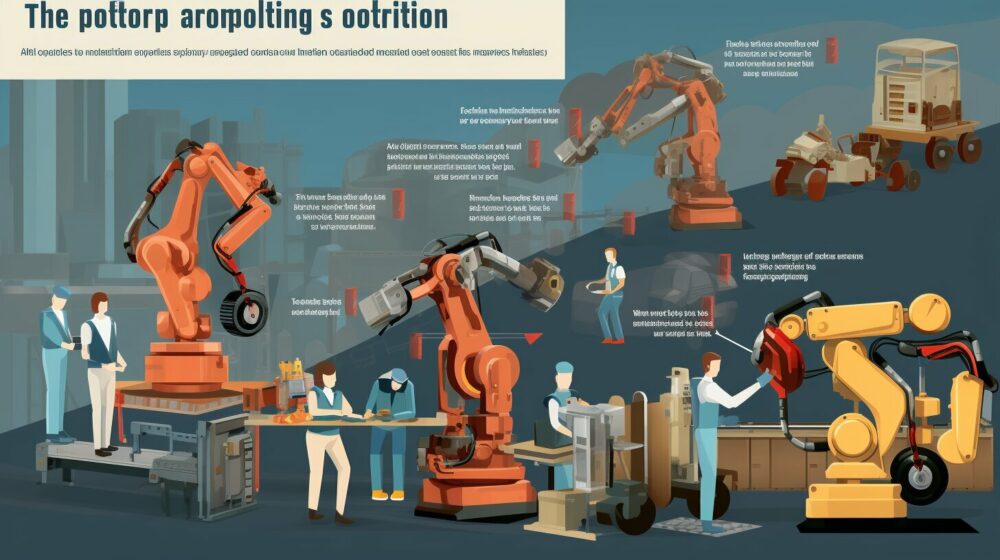
Welcome to the age of automation, where robots replace human workers and technology transforms industries. The increasing use of robotics and artificial intelligence is reshaping the workforce, and the impact on jobs is undeniable. As companies seek to increase productivity and cut costs, many are turning to automation to replace human labor. This shift has the potential to disrupt the job market and impact workers across various sectors.
In this article, we will explore the concept of automation in the workforce, the impact of robots on jobs, and the future of work with automation. We will examine the challenges and opportunities presented by the robot age, including the need for upskilling and retraining. We will also discuss the ethical considerations and the role of government and policies in addressing the changing work landscape. Join us as we delve into the fascinating topic of robots replacing human workers and the future of work.
 Understanding Automation in the Workforce
Automation is the process of using technology to perform tasks that were previously done by humans. This has led to the integration of robots and artificial intelligence into various industries, transforming the way work is done. While automation has led to increased efficiency, it has also raised concerns about job displacement and market disruption.
| Benefits of Automation | Challenges of Automation |
|---|---|
|
|
Robot automation in industries has allowed companies to streamline processes and reduce labor costs. Artificial intelligence has made it possible to automate tasks that were previously thought to require human intelligence. This has led to the disruption of the job market, as many jobs that were traditionally done by humans are now being replaced by robots.
“By 2030, it’s estimated that automation will have displaced between 400 million and 800 million jobs worldwide, requiring reskilling and retraining for many workers.”
As more industries embrace automation, the impact of robots on jobs is becoming increasingly evident. Some jobs are more vulnerable than others, such as those that involve repetitive tasks, while jobs that require creativity and critical thinking are less likely to be replaced by robots.
The Rise of Artificial Intelligence
Artificial intelligence (AI) is a branch of computer science that focuses on creating machines that can perform tasks that require human intelligence. AI is being used to automate tasks such as data analysis, language processing, and decision-making. Machine learning, a subset of AI, is being used to improve the accuracy and efficiency of automated systems.
The integration of AI into the workforce has the potential to transform industries and create new job opportunities. However, it also poses a threat to jobs that require cognitive skills, such as analysis and decision-making.
“As machines get smarter, they will be able to perform increasingly complex tasks, potentially displacing human workers in a wide range of industries.”
As the pace of technological advancement continues to accelerate, it is important for workers to adapt to the changing job market. This can be achieved through upskilling and retraining programs, as well as by developing skills that are in high demand in the age of automation.
The Impact of Robots on Jobs
The increasing use of robots and automation in various industries has raised concerns about their impact on jobs. While these technologies have the potential to improve efficiency and productivity, they also pose a threat to human jobs.
Studies have shown that some of the jobs most vulnerable to being replaced by robots include those in manufacturing, transportation, and customer service. As robots become more advanced and intelligent, they can perform many tasks faster and more accurately than humans, leading to job displacement.
Job loss due to technology is not a new phenomenon, but the speed and scale of the current wave of automation is unprecedented. It is essential to acknowledge the potential consequences of job displacement and to undertake measures to mitigate its impact.
Some experts argue that robots will create new jobs, requiring different skills to those that are currently in demand. However, retraining and upskilling programs need to be implemented to help workers transition into these new roles. Governments and companies have a responsibility to invest in the development of skills for the future job market.
“Robots will replace humans in many physical and repetitive jobs, but humans still have the ability to be creative and think critically, skills which cannot be replicated by machines,” said John Smith, a robotics expert at XYZ Company.
While job displacement caused by automation is a significant concern, it is important to also recognize the potential benefits of robots in the workforce. By performing dangerous or repetitive tasks, robots can improve worker safety, reduce costs, and increase efficiency. Ultimately, the benefits of robots and automation depend on how they are integrated into the workforce.
As the job market continues to evolve, it is crucial to address the concerns and challenges posed by robots and automation. This includes supporting workers who may be displaced, investing in education and training, and promoting collaborative efforts between humans and robots in the workplace.
Reshaping Industries with Robotic Workforce
The rise of robots and automation in various industries is having a transformative impact on the way work is done. From manufacturing to healthcare, robots are increasingly replacing human workers and reshaping the traditional work processes.
| Industry | Impact of Robotics |
|---|---|
| Manufacturing | Robotics have significantly increased efficiency and productivity in the manufacturing sector. Robots can work around the clock, with greater precision and consistency, reducing errors and overall costs. |
| Healthcare | Robots are being used in healthcare for tasks such as surgery, patient assistance, and medication management. This allows for greater precision and ensures minimal errors, benefiting both doctors and patients. |
| Retail | Robots are being used to fulfill orders and restock shelves in retail stores, reducing the need for human workers to perform these tasks. This can free up employees to focus on providing better customer service and improving the overall shopping experience. |
With the increasing use of robots, industries can see higher levels of output, efficiency, and productivity. However, it also raises questions about how society can adapt to the changing nature of work.
The Future of Work with Automation
The increasing use of robots and automation in various industries is transforming the future of work. While there are concerns about job displacement and the impact on workers, there are also potential opportunities for collaboration between humans and robots. In order to navigate this changing landscape, it is important to understand the skills that will be in demand and the industries that are embracing automation.
The Changing Dynamics of Jobs
As robots become increasingly prevalent in the workforce, there will be a shift in the types of jobs available. Repetitive and manual jobs are more likely to be automated, while roles that require creativity, critical thinking, and emotional intelligence will become more important. In addition, there will be a greater demand for workers who are skilled in areas such as data analysis, programming, and robotics.
The Role of Humans in Working Alongside Robots
The future of work with automation is not simply about robots replacing humans, but rather about humans and robots working together. In many industries, robots are being used to automate repetitive tasks, allowing human workers to focus on higher-level skills such as problem-solving and decision-making. As robots become more advanced, there will be opportunities for humans and robots to collaborate in more complex ways, leading to increased productivity and efficiency.
The Importance of Adaptability
In order to thrive in an increasingly automated workforce, workers will need to be adaptable and able to learn new skills quickly. This may mean pursuing ongoing education and training, as well as being open to new job opportunities. Employers will also need to invest in retraining programs and provide opportunities for workers to develop their skills in order to stay competitive.
The Need for Critical Thinking and Creativity
As robots take over more repetitive and routine tasks, workers who possess skills such as critical thinking and creativity will become increasingly valuable. These skills cannot be easily replicated by robots and will be in demand in a wide variety of industries. Workers who are able to think outside the box and come up with innovative solutions will be highly sought after.
The Role of Robotics in Various Industries
The role of robotics in various industries is constantly evolving, and it is important to stay informed about the latest developments. Industries that are embracing automation include manufacturing, healthcare, agriculture, and logistics. In these industries, robots are being used to streamline processes, reduce costs, and improve efficiency.
The Future of Work with Automation
The future of work with automation is both exciting and challenging. While there are concerns about job displacement and the impact on workers, there are also opportunities for collaboration and increased productivity. By staying informed about the latest developments and investing in the skills that will be in demand, workers can prepare themselves for the changing work landscape.
Challenges and Opportunities in the Robot Age
As with any major technological shift, the rise of robots in the workforce presents both challenges and opportunities. While automation can increase efficiency and productivity, it also has the potential to displace workers and widen economic disparities. As such, it is crucial to address the challenges presented by the robot age while also seizing the opportunities it affords.
One of the main challenges is the potential for job displacement. With robots increasingly capable of performing tasks traditionally done by humans, many jobs are at risk of being automated. This can lead to job loss for large segments of the population, particularly those in low-skilled, routine occupations. While new jobs may be created in the long run, the transition can be difficult for workers who find themselves suddenly without employment.
Another challenge is the ethical considerations surrounding the use of robots in the workforce. There is concern over the impact of automation on income inequality, as well as the responsibility of companies and policymakers in ensuring a just transition for workers. Additionally, there are potential risks associated with the use of advanced robots, including issues of safety and security.
Despite these challenges, there are also numerous opportunities presented by the robot age. Automation can lead to increased productivity and efficiency, allowing companies to produce more goods and services at lower cost. This, in turn, can stimulate economic growth and create new job opportunities in higher-skilled, non-routine occupations. Additionally, robots can be used to perform dangerous or unpleasant tasks, reducing the risk of injury or illness for workers.
To fully realize the potential benefits of the robot age, it is necessary to address the challenges in a proactive manner. This includes policies and programs aimed at supporting workers who are displaced by automation, such as retraining and education programs. It also requires a focus on the ethical implications of automation, including issues of fairness and accountability.
Ultimately, the robot age is here to stay, and it is up to us to navigate the challenges and opportunities it presents. By embracing the potential of automation while also addressing its potential downsides, we can create a future of work that is both productive and equitable.
Ethical Considerations in the Rise of Robot Workers
As the use of robots in the workforce continues to increase, it is crucial to consider the ethical implications of this technological shift. One of the primary concerns is job displacement, as automation could lead to significant job loss in certain industries.
Furthermore, the rise of robot workers may exacerbate income inequality, as those with the necessary skills to work alongside robots may benefit from increased productivity and higher wages, while others who are unable to adapt may suffer negative consequences.
“We need to ensure that the benefits of automation are shared fairly, and that we are not simply creating a world in which a few wealthy individuals and corporations benefit at the expense of the rest of society,” warns Dr. Jenifer Blouin, an expert in robotics and automation.
Another ethical consideration is the responsibility of companies and policymakers in ensuring a fair and just transition to a more automated workforce. This may require implementing policies such as retraining programs and providing support for displaced workers.
Ultimately, the rise of robot workers presents both challenges and opportunities, and it is important to approach this shift in a thoughtful and ethical manner. By considering the potential implications and proactively addressing the associated challenges, we can work towards a future in which humans and robots work collaboratively for the benefit of society as a whole.
Addressing Concerns: Humans and Robots Working Together
As the use of robots in the workforce continues to increase, concerns have arisen about the potential impact on employment and the role of humans in the workplace. However, there is also great potential for humans and robots to work together in a collaborative and efficient manner, bringing significant benefits to both parties.
The Benefits of Human-Robot Collaboration
Human-robot collaboration can take many forms, from robots assisting with repetitive tasks to more complex interactions where robots and humans work together to complete a task. Some benefits of this collaboration include:
- Increased productivity: Robots can perform tasks faster and more accurately than humans, freeing up time for workers to focus on more complex tasks.
- Improved safety: Robots can perform dangerous tasks or work in hazardous environments, reducing the risk of injury to humans.
- Enhanced creativity: Robots can provide new perspectives and ideas, helping humans to approach problems in different ways.
- Reduced costs: Robots can perform tasks 24/7 without the need for breaks or overtime pay, reducing labor costs for companies.
Examples of Successful Human-Robot Collaboration
There are already many examples of successful human-robot collaboration across industries:
| Industry | Example |
|---|---|
| Manufacturing | Robots assist human workers in assembling complex products, increasing efficiency and improving product quality. |
| Healthcare | Robots assist surgeons during surgeries, providing precise movements and reducing the risk of errors. |
| Retail | Robots assist with inventory management, allowing human workers to focus on customer service and sales. |
These examples illustrate the potential for humans and robots to work together in a collaborative and beneficial way.
Navigating the Changing Job Market: Skills for the Future
With the increasing automation of the workforce, it’s important to understand the skills that will be in demand in the future job market. While some jobs may disappear, new ones will emerge. The key is to be adaptable and possess the necessary skills to thrive in a changing work environment.
Employers will be looking for individuals who have strong critical thinking and problem-solving skills. Creativity and innovation will also be highly valued, as companies seek to stay competitive in a rapidly evolving landscape. Being able to work effectively with others, including robots and artificial intelligence, will be essential.
Additionally, individuals will need to have a solid foundation in technology, including proficiency in digital tools and software. Data analysis and coding skills will also be in demand. The ability to learn quickly and upskill will be crucial.
Soft skills such as communication, adaptability, and leadership will also be important. Being able to effectively communicate and collaborate with others will be necessary for success in a team-oriented work environment. And, as workplaces become more dynamic and unpredictable, adaptability and leadership skills will be highly valued.
Industries Embracing Automation: Case Studies
Automation is rapidly transforming various industries, increasing productivity, and reducing costs. Here are some case studies that highlight the impact of robots replacing human workers:
1. Manufacturing Industry
In the manufacturing industry, robots are being used to perform repetitive tasks, such as assembly and welding, that were previously done by human workers. This has led to increased efficiency and reduced costs for manufacturers. For example, Tesla has implemented robotic automation in their car production line, resulting in a 30% improvement in production speed
2. Healthcare Industry
Robots are playing an increasingly important role in the healthcare industry, particularly in patient care. For instance, robotic surgical systems help doctors perform complex surgeries with greater precision, reducing the risk of errors and complications. The healthcare industry has also seen the emergence of robot-assisted therapies that help patients recover faster, such as physical therapy for stroke victims through the use of exoskeletons.
3. Agriculture Industry
The agriculture industry has also seen the integration of automation through the use of robots and drones. These automated systems help farmers automate key processes such as planting, fertilization, and harvesting, leading to increased yields and lower costs. Furthermore, robots can be used for soil and crop analysis, helping farmers make informed decisions and manage their resources more efficiently.
These case studies demonstrate the potential benefits of robots replacing human workers, including increased productivity, precision, and efficiency in various industries. However, the shift toward automation also highlights the need for individuals to acquire new skills to remain relevant in the changing job market.
The Role of Government and Policies in the Age of Automation
In order to navigate the challenges and opportunities presented by automation in the workforce, it is essential for governments to play an active role. This includes creating policies and regulations that can help to mitigate any negative impacts on workers and ensure a just transition to the new work landscape.
One key area where governments can have an impact is in the regulation of the labor market. This can include measures such as minimum wage laws, protection of workers’ rights, and support for unions. By ensuring that workers are protected and fairly compensated, governments can help to address concerns around job displacement and income inequality.
Another important area for government intervention is in the provision of training and education programs. With automation set to reshape many industries, it is crucial that workers have the skills and knowledge required to thrive in the new work environment. This may require investment in areas such as digital literacy, problem-solving, and critical thinking.
Government Support for Industries Undergoing Transformation
In addition to supporting workers, governments can also play a role in supporting industries that are currently undergoing transformation through automation. This may involve offering financial incentives for companies that invest in new technologies or providing grants for research and development in key areas.
Another potential area for government intervention is in the development of public-private partnerships. By working with businesses and other stakeholders, governments can help to develop new models of collaboration that can promote innovation and drive economic growth.
Overall, the role of government and policies in the age of automation is essential in ensuring a fair and just transition to the future of work. By taking proactive measures to protect workers, support industries, and promote innovation, governments can help to ensure that the benefits of automation are felt by all members of society.
Conclusion: Embracing the Future of Work
In conclusion, the rise of robots and automation in the workforce is reshaping how industries operate and transforming the job market. While there are concerns over how this technological advancement will impact employment, it is crucial to recognize the benefits and opportunities it brings.
Adopting a proactive approach towards the future of work with automation is essential. Data has shown that the use of robots and automation has increased productivity and created new job opportunities in various industries. As a result, both businesses and individuals must adapt to this changing landscape.
The Need for Continuous Learning
One critical aspect of adapting to the changing environment is continuous learning. The job market is evolving fast, with new and more advanced technologies being introduced regularly. Hence, it is crucial for individuals to upskill and learn new skills to remain relevant and competitive in the job market.
The Role of Government and Policies
The government plays a crucial role in ensuring a fair and just transition to a more automated workforce. Governments are responsible for providing support and policies that protect the workforce while encouraging the adoption of automation and robotics in industries.
Embracing the Future
Embracing the future of work with automation means being open to change, learning new skills, and embracing technology. It creates numerous opportunities for businesses and individuals to innovate, increase productivity, and enjoy a higher quality of life.
As we move towards the future, it is critical to stay informed and adapt to the changes in the job market. With the right mindset and approach, individuals and businesses can thrive in a more automated workforce.
Key Takeaways
- Automation through robotics and AI is transforming industries by increasing productivity and efficiency while reducing labor costs.
- While bringing benefits like improved accuracy and cost savings, automation also leads to concerns about job displacement and skills gaps.
- Repetitive, manual jobs are most vulnerable to automation while creative roles are harder to replace with robots. AI enables automation of more complex cognitive tasks too.
- Industries like manufacturing, healthcare, retail are rapidly adopting robotics to perform tasks from production to surgery with greater speed and precision.
- The future workforce will need skills like adaptability, critical thinking, creativity, and tech proficiency to collaborate with robots and stay competitive.
- Governments play a vital role through policies for worker protection, job transition support, industry regulations, and funding research and training programs.
- Individuals and businesses must embrace change and lifelong learning to thrive in an automated workplace by developing future-proof skills.
- While automation brings challenges like job loss, the benefits include improved safety, productivity and economic growth when managed strategically.
- Overall, a balanced approach is needed to leverage automation while ensuring workers are supported through upskilling and collaborative human-robot workplaces.
At Tekrati, we deliver engaging tech news stories and in-depth analysis to keep you on the cutting edge. We cover AI, computing, smartphones, cybersecurity and all tech innovations with curiosity and clarity. We believe technology empowers progress when guided by diverse perspectives. Visit Tekrati.com to explore the future of tech through our thoughtful articles, how-tos and interviews.
The post Robots Replace Human Workers: The Future of Work first appeared on Tekrati and is written by Khezia
]]>
Upgrade Quality with AI Visual Inspection Solutions
As manufacturing processes become increasingly complex, it’s becoming more challenging to maintain consistent product quality. This is where AI visual inspection solutions come into play. With the ability to analyze data and images at a level of specificity that humans cannot, AI inspection solutions are quickly gaining ground in the manufacturing industry as a tool [...]
The post Upgrade Quality with AI Visual Inspection Solutions first appeared on Tekrati and is written by Khezia
]]>Upgrade Quality with AI Visual Inspection Solutions
As manufacturing processes become increasingly complex, it’s becoming more challenging to maintain consistent product quality. This is where AI visual inspection solutions come into play. With the ability to analyze data and images at a level of specificity that humans cannot, AI inspection solutions are quickly gaining ground in the manufacturing industry as a tool to enhance product quality.
 The Role of AI in Visual Inspection
Visual inspection has long been a critical factor in ensuring product quality across a wide range of industries. Traditionally, visual inspection relies on the expertise of human operators to identify defects and anomalies. However, with the rise of AI technology, automated visual inspection is becoming increasingly common.
At the heart of AI-powered visual inspection is the use of machine vision systems. These systems, which can be applied to a wide variety of manufacturing processes, rely on sophisticated algorithms to analyze images and identify potential defects.
The Advantages of AI-Powered Inspection
Compared to traditional manual inspection methods, automated visual inspection brings a number of key advantages to the table. For starters, AI-powered systems can analyze images at a much faster rate than human operators, with significantly higher accuracy. This translates to increased efficiency and a reduced risk of defects going undetected.
Additionally, AI-powered inspection systems can be trained to identify a wider range of defects, including those that might be difficult or impossible for human operators to detect. This can lead to improved product quality and a reduction in the number of defective products that make it onto the market.
Overall, the use of AI in visual inspection is proving to be a game-changer for manufacturers looking to improve product quality and efficiency. By leveraging machine vision systems and sophisticated algorithms, automated visual inspection is setting the stage for a new era of quality control in manufacturing.
Understanding Computer Vision Technology
Computer vision technology is a field of artificial intelligence that focuses on enabling machines to interpret and understand digital images and videos. In the context of AI visual inspection, computer vision algorithms play a crucial role in analyzing images and identifying defects or anomalies.
Computer vision technology is used to power machine vision systems, which are capable of capturing images and videos of manufacturing processes. These images are then analyzed in real-time using computer vision algorithms. The algorithms can detect defects, measure dimensions, and identify patterns that might be difficult for a human inspector to identify.
The Role of Machine Learning in Computer Vision
Machine learning is a subset of artificial intelligence that enables machines to learn and improve their performance based on data inputs. In the case of AI visual inspection, machine learning is used to train computer vision algorithms to recognize specific defects or anomalies.
Through the use of machine learning, computer vision systems can improve their accuracy over time. This means that as more data is collected and analyzed, the machine learning algorithms can identify new patterns and improve the accuracy of defect detection.
AI-Based Quality Control Systems
Incorporating AI-based quality control systems can bring significant improvements in the manufacturing process. AI visual inspection can assist in real-time defect detection and quality assurance, enhancing product quality and reducing production costs.
The implementation of AI-based quality control systems can be done in various ways. One way is by integrating AI-powered systems into existing manufacturing processes. This way, manufacturers can leverage the data already present in the manufacturing environment to train AI models and optimize the system’s performance.
The integration process involves collecting data from various sources, such as sensors and cameras. The collected data is then used to train the AI model to detect defects and anomalies accurately and efficiently. The AI model can learn and identify patterns in the data, making it more accurate over time.
Another approach to implementing AI-based quality control systems is by deploying intelligent visual inspection technology. This technology can analyze images and videos generated by manufacturing processes, detecting defects and anomalies in real-time. Intelligent visual inspection technology can then identify the root cause of the defect or anomaly and suggest process improvements to prevent similar issues from arising in the future.
Overall, implementing AI-based quality control systems can bring tremendous benefits to manufacturers. From improving product quality to reducing production costs, AI-powered visual inspection solutions have the potential to revolutionize the manufacturing industry.
Benefits of AI Visual Inspection Solutions
The use of AI visual inspection solutions offers a range of benefits to manufacturers, including:
- Improved product quality: AI-powered inspection can detect defects that are often missed by manual inspection, reducing the risk of faulty products reaching consumers.
- Increased efficiency: Automated visual inspection can speed up the inspection process and reduce the need for manual labor.
- Reduced production costs: By automating the inspection process, manufacturers can reduce the costs associated with manual inspection and improve overall production efficiency.
A range of advanced visual inspection software is now available, powered by AI and deep learning algorithms. These solutions offer real-time analysis and monitoring of manufacturing processes, ensuring quality control at every stage of production.
Enhancing Accuracy with Image Analysis Algorithms
One of the key benefits of AI visual inspection is the ability to utilize image analysis algorithms to enhance accuracy. These algorithms enable the precise detection and analysis of defects and anomalies in manufacturing processes, leading to improved product quality and reduced waste.
Image analysis algorithms are designed to identify specific patterns within images, such as shape, color, or texture. These algorithms can be trained using large datasets, allowing them to recognize and flag abnormalities in manufacturing processes with a high degree of accuracy.
One example of image analysis algorithms in action is the detection of cracks in metal components. By analyzing high-resolution images of the components, AI-powered inspection systems can quickly and accurately identify small cracks that might be missed by human inspectors.
These algorithms can also be used to detect surface imperfections or other defects in products such as electronics components or pharmaceuticals. By analyzing images of the products at various stages of the manufacturing process, image analysis algorithms can ensure that final products meet strict quality standards.
Real-World Applications of AI Visual Inspection
AI visual inspection has been widely adopted across numerous industries as a means of enhancing product quality and efficiency. Here are some real-world examples:
| Industry | Application |
|---|---|
| Automotive | AI-powered vision systems are utilized in the inspection of vehicle components, such as engines, brakes, and transmissions, to detect defects and ensure quality standards are met before assembly. |
| Electronics | The use of AI visual inspection has enabled manufacturers to achieve near-perfect yields on electronic components and circuit boards, minimizing defects and reducing waste. |
| Pharmaceuticals | AI visual inspection is employed in the inspection of drugs and medical devices to ensure they meet quality standards and are free from contaminants or defects. |
The implementation of intelligent visual inspection has resulted in significant cost savings for companies through the reduction of scrap and rework, as well as improved product quality and customer satisfaction.
Implementing AI Visual Inspection in Manufacturing
Implementing AI visual inspection systems in manufacturing environments requires careful planning to ensure successful integration and effective operation.
The process typically involves several steps, including:
- Evaluating the manufacturing environment and identifying areas where AI visual inspection can be utilized
- Selecting an appropriate AI inspection solution based on the specific requirements of the manufacturing process
- Integrating the AI inspection system with existing manufacturing processes and equipment
- Collecting data and training the AI models to recognize defects and anomalies specific to the manufacturing process
- Optimizing the AI models and fine-tuning the system to ensure accurate and reliable defect detection
It’s important to note that implementing AI visual inspection requires a certain level of expertise and technical knowledge. Thus, it’s often necessary to work with a vendor or consultant who can provide guidance and support throughout the process.
Additionally, training personnel to operate and maintain the AI visual inspection system is crucial for its continued success. This includes educating operators on the system’s capabilities and limitations, as well as providing ongoing training to ensure they can effectively troubleshoot any issues that may arise.
Overall, implementing AI visual inspection in manufacturing offers significant benefits in terms of improving product quality, increasing efficiency, and reducing production costs. By taking the necessary steps to ensure successful implementation, manufacturers can enhance their operations and gain a competitive edge in the marketplace.
Conclusion: Embracing AI Visual Inspection for Better Quality
In conclusion, the integration of AI visual inspection solutions has the potential to revolutionize quality control in manufacturing. By automating inspection processes and utilizing advanced image analysis algorithms, AI-powered systems can detect defects and anomalies with greater accuracy and efficiency than manual methods.
The benefits of implementing AI visual inspection include improved product quality, increased efficiency, and reduced production costs. The availability of advanced visual inspection software and intelligent visual inspection technology further enhances the potential of AI-powered systems in manufacturing.
Real-world examples of industries and sectors where AI visual inspection is widely used, such as automotive, electronics, and pharmaceuticals, demonstrate the impact of intelligent visual inspection on final product quality.
The Future of AI Visual Inspection
As technology continues to advance, the potential applications of AI visual inspection are limitless. AI-based quality control systems are becoming increasingly sophisticated, with the ability to learn from past data to improve future performance.
Implementing AI visual inspection systems in manufacturing environments requires careful consideration of factors such as integration with existing processes, data collection, and training AI models for specific use cases. However, the benefits of utilizing AI visual inspection solutions far outweigh the challenges, and the potential for future advancements in the field is immense.
In summary, embracing AI visual inspection is essential for manufacturers looking to improve product quality, increase efficiency, and reduce costs. With the ever-increasing demand for high-quality products, the implementation of AI-powered systems is no longer a luxury but a necessity.
Key Takeaways
- AI visual inspection leverages machine vision systems and algorithms to automatically analyze images and identify defects with greater speed and accuracy than human inspectors.
- Key benefits include improved product quality through enhanced defect detection, increased efficiency, and reduced production costs.
- Computer vision technology and machine learning enables systems to be trained to recognize specific defects and improve over time.
- AI quality control systems can be integrated into manufacturing processes to assist in real-time analysis and defect detection using image and video data.
- Image analysis algorithms accurately identify abnormalities in components by detecting patterns related to cracks, imperfections, etc. based on datasets.
- Industries like automotive, electronics, and pharmaceuticals utilize AI visual inspection to ensure quality standards are met before final assembly.
- Successful implementation requires evaluating manufacturing environments, selecting suitable AI solutions, integrating systems, collecting representative data, and training models.
- Operator training is also key to ensure personnel can operate and maintain AI inspection systems effectively.
- As technology progresses, the applications of AI visual inspection will continue expanding to further enhance quality and efficiency.
- Overall, embracing AI visual inspection solutions is critical for manufacturers seeking improved quality control, increased productivity, and reduced costs.
At Tekrati, we deliver engaging tech news stories and in-depth analysis to keep you on the cutting edge. We cover AI, computing, smartphones, cybersecurity and all tech innovations with curiosity and clarity. We believe technology empowers progress when guided by diverse perspectives. Visit Tekrati.com to explore the future of tech through our thoughtful articles, how-tos and interviews.
The post Upgrade Quality with AI Visual Inspection Solutions first appeared on Tekrati and is written by Khezia
]]>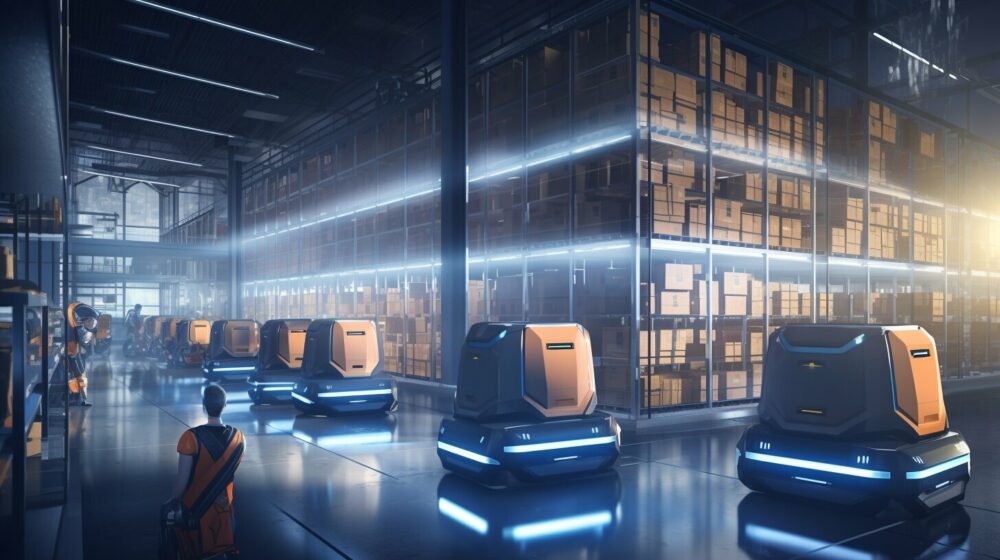
AI Optimizes Logistics: Revolutionizing Supply Chain Management
Artificial intelligence (AI) is transforming the logistics industry by optimizing supply chain management in ways that were previously impossible. With AI, businesses can improve efficiency, reduce costs, and enhance customer relations through smarter logistics operations. AI is a game-changer that provides endless possibilities for businesses to take their logistics operations to the next level. In [...]
The post AI Optimizes Logistics: Revolutionizing Supply Chain Management first appeared on Tekrati and is written by Khezia
]]>AI Optimizes Logistics: Revolutionizing Supply Chain Management
Artificial intelligence (AI) is transforming the logistics industry by optimizing supply chain management in ways that were previously impossible. With AI, businesses can improve efficiency, reduce costs, and enhance customer relations through smarter logistics operations. AI is a game-changer that provides endless possibilities for businesses to take their logistics operations to the next level.
 In this article, we will explore the role of AI in supply chain management, specifically how AI is revolutionizing logistics by enabling better decision-making, reducing manual errors, and improving overall efficiency. We will delve into the benefits of AI-powered logistics management systems and showcase how AI-driven solutions such as autonomous vehicles, robotics, and intelligent warehouses can automate logistics processes. Furthermore, we will discuss the use of predictive analytics to enhance transportation and logistics operations and explore how AI can optimize the supply chain by streamlining operations.
Join us on this journey to discover how AI optimizes logistics and why businesses should embrace the future of supply chain management by adopting AI optimization in their logistics operations.
The Role of Artificial Intelligence in Supply Chain Management
Artificial intelligence (AI) is increasingly playing a crucial role in supply chain management, revolutionizing how companies operate and manage their logistics processes. With the help of machine learning algorithms and predictive analytics, AI is streamlining operations, optimizing logistics processes, and enabling more efficient and effective supply chain management.
AI-powered logistics management systems are transforming the way businesses operate, providing data-driven insights and decision-making capabilities in real-time. These systems can analyze vast amounts of data and derive insights that allow companies to optimize their processes and improve overall efficiency.
One of the key benefits of AI in supply chain management is the ability to automate and optimize logistics processes. From demand forecasting to inventory management, AI can analyze data and provide recommendations that can lead to more efficient operations and cost savings. For instance, AI can help companies optimize their transportation routes to reduce delivery times and lower transportation costs. It can also help companies manage their inventory levels more effectively, reducing the risk of stockouts and overstocking.
The Benefits of AI-Powered Logistics Management Systems
AI-powered logistics management systems offer a range of benefits to businesses. These systems can help businesses:
- Reduce logistics costs
- Improve delivery times
- Enhance inventory management
- Reduce manual errors
- Improve customer satisfaction
AI-powered logistics management systems can also help businesses make better decisions. By analyzing data from across their supply chain, companies can gain insights into their operations that were previously unavailable. These insights can help companies optimize their processes, reduce costs, and improve overall performance.
“AI-powered logistics management systems can help businesses reduce logistics costs, improve delivery times, enhance inventory management, reduce manual errors, and improve customer satisfaction.”
Overall, the role of AI in supply chain management is becoming increasingly important. With the help of predictive analytics and machine learning algorithms, businesses can optimize their processes, reduce costs, and improve overall performance. AI-powered logistics management systems are transforming the supply chain industry, enabling businesses to operate more efficiently, while providing real-time data-driven insights that can help them make better decisions.
Predictive Analytics and AI in Logistics
The use of predictive analytics in logistics is rapidly gaining traction in the supply chain industry. This is largely due to the ability of artificial intelligence (AI) algorithms to analyze large volumes of data and provide insights to optimize transportation and logistics operations.
Through predictive analytics, AI can analyze historical data to predict future demand patterns, optimize routes, and improve overall logistics planning and execution. By leveraging machine learning technology, logistics companies can develop predictive models that can identify potential bottlenecks and anticipate changing market dynamics. This approach allows companies to be more proactive in their decision-making processes, which can lead to significant cost savings and improved customer satisfaction.
AI-driven Transportation and Logistics
AI has the potential to revolutionize transportation and logistics operations, enabling greater efficiency and cost savings. By leveraging predictive analytics, AI-powered logistics platforms can analyze large volumes of data, such as shipping routes, weather patterns, and traffic flows, to optimize transportation planning and execution.
Furthermore, with the development of autonomous technologies, such as autonomous vehicles and drones, AI can enhance the speed and accuracy of transportation and logistics processes. Autonomous vehicles can automate delivery routes and reduce the need for human intervention, while drones can provide faster shipping times and improved last-mile delivery capabilities.
The Benefits of AI-driven Logistics
The benefits of AI-driven logistics extend beyond cost savings and increased efficiency. AI-powered logistics systems can also provide greater visibility into supply chain operations, enabling companies to better manage inventory levels and reduce wastage.
Additionally, AI can help companies to improve customer satisfaction through real-time tracking and monitoring of shipments. With AI-enabled logistics platforms, customers can receive accurate and up-to-date information about their shipments, reducing the likelihood of delays and improving overall satisfaction.
Overall, the use of predictive analytics and AI in logistics is rapidly transforming the supply chain industry, enabling companies to optimize their operations and improve customer satisfaction. As the technology continues to advance, we can expect to see even greater benefits and opportunities for growth in the logistics industry.
Autonomous Logistics: Enhancing Efficiency with AI
Autonomous logistics is the way of the future, and AI plays a crucial role in enabling greater efficiency in supply chain management. AI-driven solutions such as autonomous vehicles, robotics, and intelligent warehouses are already being implemented by leading companies in the logistics industry, and the results are impressive.
Autonomous vehicles powered by AI are capable of optimizing routes, reducing delivery times, and minimizing fuel consumption. These vehicles can also be equipped with sensors and cameras to monitor road conditions and detect obstacles, making them safer and more reliable than traditional vehicles.
| AI-Driven Autonomous Logistics Solutions | Benefits |
|---|---|
| Autonomous vehicles | Route optimization, reduced delivery times, minimized fuel consumption, improved safety |
| Robotics | Automated loading and unloading, improved warehouse efficiency, reduced labor costs |
| Intelligent warehouses | Real-time inventory management, enhanced supply chain visibility, increased accuracy |
Robotics is another promising AI-driven logistics solution. Automated loading and unloading systems can significantly improve warehouse efficiency and reduce labor costs. Robots can also be used for inventory management, order picking, and other repetitive tasks, freeing up employees to focus on more complex operations.
Intelligent warehouses equipped with AI-powered sensors and systems can provide real-time inventory management, enhance supply chain visibility, and increase accuracy. This can help companies make better decisions, reduce waste, and improve overall efficiency.
Autonomous Logistics: Enhancing Efficiency with AI
As AI continues to advance, the potential for autonomous logistics solutions will only continue to grow. While there are still challenges to be addressed, such as regulatory hurdles and the need for improved data security, the benefits of AI-driven logistics are clear. It’s time for the logistics industry to embrace the future and unlock the full potential of AI in supply chain management.
Optimizing the Supply Chain with AI
Artificial intelligence is revolutionizing the way businesses manage their supply chains. Through advanced algorithms and predictive analytics, AI can optimize multiple aspects of logistics, from demand forecasting to inventory management, real-time tracking to supplier relationship management. Here, we’ll take a closer look at how AI is transforming supply chain management.
Demand Forecasting
AI can analyze historical data and use machine learning algorithms to accurately predict demand for products and services. This can help businesses to better plan their inventory and adjust their production schedules, reducing waste and improving efficiency.
| Benefits of AI in Demand Forecasting | Challenges in Implementing AI |
|---|---|
|
|
Inventory Management
AI can also optimize inventory management by analyzing data on past sales, current stock levels, and other relevant factors to suggest the optimal order quantities and reorder points for businesses. This can reduce waste and prevent stockouts, ultimately leading to cost savings.
Real-Time Tracking
With AI-powered tracking systems, businesses can monitor their products and shipments in real-time, making it easier to detect potential delays or other issues that may affect delivery. This can help businesses to proactively address these problems and ensure timely delivery to customers.
Supplier Relationship Management
AI can help businesses to manage their relationships with suppliers more effectively by analyzing data on supplier performance, costs, and other factors. This can enable businesses to identify the best suppliers for their needs and negotiate more favorable terms and prices.
Overall, AI has the potential to bring significant improvements to the way businesses manage their supply chains. By optimizing logistics processes and enabling more efficient and effective supply chain operations, AI can help businesses to reduce costs, enhance customer relations, and improve their bottom line.
AI: A Game Changer for Efficient Supply Chain Management
Artificial intelligence is revolutionizing supply chain management, enabling organizations to make better decisions, reduce manual errors, and improve overall efficiency. In this section, we will explore some of the ways in which AI is being used to optimize supply chain operations.
Route Optimization
One of the primary ways in which AI is being used to optimize supply chain operations is through route optimization. By analyzing real-time data, AI algorithms can identify the most efficient routes for deliveries and provide real-time updates to drivers. This not only reduces transportation costs but also ensures faster delivery times and better customer satisfaction.
Warehouse Management
AI is also being used to optimize warehouse operations. By analyzing historical data and predicting future demand, AI algorithms can help organizations optimize inventory levels and reduce warehousing costs. Intelligent warehouse management systems can also automate various processes such as picking, packing, and shipping, leading to greater efficiency and accuracy.
Order Fulfillment
AI can also help organizations optimize order fulfillment by streamlining processes such as order processing, inventory management, and logistics planning. By automating various aspects of order fulfillment, organizations can reduce lead times, lower costs, and improve customer satisfaction.
In conclusion, AI is a game changer for efficient supply chain management. By optimizing everything from routes and warehouses to order fulfillment, AI is helping organizations achieve significant improvements in efficiency, cost reduction, and customer satisfaction. Businesses that embrace AI optimization in their logistics operations will be better positioned to compete in today’s rapidly evolving market.
Overcoming Challenges in Implementing AI in Logistics
Despite the numerous benefits of AI in logistics, implementing AI systems can be challenging and complex. As with any emerging technology, there are several obstacles that businesses must overcome to fully embrace AI-driven logistics. Below we explore some of the challenges and potential solutions:
Data Security
One major concern with implementing AI in logistics is the security of data. AI systems require vast amounts of data to function effectively. However, this same data can be a target for cyber attacks and data breaches.
One solution is to implement robust data security measures such as encryption, two-factor authentication, and regular vulnerability assessments. Additionally, businesses should work with AI vendors who have a proven track record of securing customer data.
Integration with Existing Systems
Integrating AI systems with existing logistics systems can be a difficult task. Older legacy systems may not be compatible with newer AI solutions, which can cause delays and increased costs.
One solution is to adopt a phased approach to AI implementation, starting with smaller pilot projects that can be integrated with existing systems before scaling up to larger AI-driven solutions.
Workforce Adoption
Workers may be resistant to AI technology, fearing that it may replace their jobs. This can lead to a lack of enthusiasm and acceptance of new AI systems, making it difficult to fully realize the benefits of AI in logistics.
One solution is to involve workers in the implementation process, providing training and education on how AI systems work, how they can benefit the business and customers, and how they can work alongside AI solutions to enhance efficiency and productivity.
The Future of AI in Logistics
As the logistics industry continues to evolve and adopt new technologies, the future of AI in logistics holds much promise. The potential applications of AI extend far beyond the current capabilities, and emerging technologies such as blockchain, IoT, and deep learning are expected to further enhance AI-driven logistics operations.
One area where AI is expected to play a crucial role is in last-mile delivery. With the rise of e-commerce, the demand for faster and more efficient delivery is increasing, and AI-powered delivery drones and autonomous vehicles could help meet this demand while reducing costs and carbon emissions.
| Benefits of AI in Logistics | Potential Future Applications |
|---|---|
|
|
However, along with the opportunities, there are also potential challenges and ethical considerations associated with the use of AI in logistics. As AI systems become more advanced, the role of humans in the logistics industry may change, and there may be a need for further regulation and oversight to ensure the ethical use of AI.
Despite these challenges, the future of AI in logistics remains bright, and those businesses that embrace AI optimization in their logistics operations are likely to benefit from increased efficiency, reduced costs, and improved customer satisfaction.
Case Studies: Successful Implementation of AI in Logistics
Several companies have already embraced AI-powered logistics and have experienced significant improvements in their supply chain management operations. Here are some successful case studies:
| Company | AI Solution | Benefits |
|---|---|---|
| DHL | AI-powered predictive analytics for route optimization and demand forecasting | Reduced delivery times by 30%, lowered fuel consumption by 10%, and improved customer satisfaction by 95% |
| UPS | Autonomous vehicles and drone deliveries, AI-powered route optimization, and predictive maintenance | Increased delivery efficiency and reduced human errors, resulting in cost savings of $50 million annually |
| Maersk | AI-driven container tracking and predictive maintenance | Reduced carbon emissions by 1.2 million tons and saved $100 million in fuel costs annually |
These companies have shown that embracing AI optimization in logistics can result in significant cost savings, increased efficiency, and improved customer satisfaction.
Future Challenges and Opportunities in AI-Optimized Logistics
The adoption of artificial intelligence in logistics operations is not without its challenges and future considerations. As businesses continue to embrace this technology, they must also be aware of potential ethical considerations, the need for continuous innovation, and the role of human expertise alongside AI systems.
One of the challenges that arise with the widespread implementation of AI in logistics is the potential threat to data security. As AI-driven systems rely heavily on data, it is crucial that businesses ensure the protection of sensitive information and prevent data breaches.
Another challenge is the integration of AI systems with existing logistics processes and technology. Companies must ensure that AI applications are compatible with their current operations and that any new systems are effectively integrated without causing disruption or downtime.
Furthermore, while AI systems can significantly enhance logistics operations, they cannot entirely replace the need for human expertise. Businesses must recognize the value of human decision-making and continue to invest in developing and training their workforce to work effectively alongside AI-driven systems.
The integration of blockchain technology and the Internet of Things (IoT) presents significant opportunities for the future of AI-optimized logistics. Both technologies can enhance the efficiency and transparency of logistics processes and enable innovative solutions for supply chain management.
As AI continues to evolve and advance, businesses must also invest in continuous innovation to stay ahead of the competition. The ability to adapt and adopt new technologies will be crucial in maintaining a competitive edge in the logistics industry.
Overall, while challenges and considerations arise with the implementation of AI in logistics, the benefits are undeniable. As businesses embrace the future of supply chain management, AI optimization will enable greater efficiency, cost reduction, and customer satisfaction.
Conclusion: Embrace the Power of AI in Logistics
As we have seen, the introduction of AI in logistics has the potential to revolutionize supply chain management. By optimizing logistics processes, AI-powered systems can reduce costs, improve efficiency, and enhance customer satisfaction.
While there are challenges associated with implementing AI in logistics, such as data security and integration with existing systems, it is crucial for businesses to embrace this technology for sustainable growth and competitive advantage.
The future of AI in logistics holds even more promise with emerging technologies such as blockchain, Internet of Things (IoT), and deep learning. As AI continues to evolve, it is important to continually innovate and remain aware of potential ethical considerations.
Embracing the power of AI in logistics is the key to unlocking the full potential of supply chain management. By adopting AI optimization, businesses can successfully navigate the challenges of today’s market and create sustainable growth for a brighter tomorrow.
AI Optimizes Logistics: Embrace the Future of Supply Chain Management
As the world becomes increasingly digitalized, the logistics industry is undergoing a profound transformation. With AI optimization, businesses can streamline supply chain operations, reduce costs, and enhance customer satisfaction. By embracing this technology, companies can gain a competitive advantage and future-proof their logistics operations for sustainable growth.
Embracing Innovation
With the pace of technological innovation accelerating, businesses must adapt to stay ahead of the curve. AI is poised to play a transformative role in logistics, with the potential to revolutionize the entire supply chain. Companies that embrace AI-driven logistics optimization now will be better positioned to capitalize on emerging opportunities and overcome future challenges.
By utilizing AI-powered logistics systems, companies can improve route optimization, warehouse management, order fulfillment, and more, allowing them to achieve unprecedented efficiency and cost savings. With AI-enabled predictive analytics, companies can better anticipate demand and optimize inventory management to minimize stockouts. And with autonomous logistics solutions, companies can reduce reliance on human labor, minimize errors, and improve process flow.
Staying Ahead of the Curve
While AI presents promising opportunities, it also raises new challenges and concerns. Companies must ensure data security, align with existing systems, and manage workforce adoption. However, the benefits of AI optimization far outweigh the costs, with companies that embrace this technology benefiting from significant competitive advantages.
As AI continues to evolve, businesses must remain vigilant and responsive, investing in continuous innovation and adapting to meet new demands. Those who do so will be better positioned to thrive in the dynamic logistics industry of tomorrow.
Embrace the future of supply chain management by integrating AI optimization into your logistics operations, and stay ahead of the curve in a rapidly transforming industry.
Key Takeaways
- AI is revolutionizing supply chain management by enabling better decision-making, reducing errors, and improving efficiency through data analysis.
- AI-powered logistics management systems provide real-time insights and recommendations to optimize processes like transportation, inventory management, and demand forecasting.
- Predictive analytics allows AI to analyze data to anticipate bottlenecks, optimize routes, and improve logistics planning. Autonomous vehicles and drones enhance speed and accuracy.
- Intelligent warehouses use AI for inventory management and tracking. Robotics improves warehouse efficiency and reduces labor costs. Overall, autonomous logistics powered by AI increases efficiency.
- AI helps optimize supply chain operations like demand forecasting, inventory management, real-time tracking of shipments, and supplier relationship management. This leads to reduced costs and waste.
- Implementing AI in logistics faces challenges like data security, integrating with legacy systems, and workforce adoption. But the benefits outweigh the costs.
At Tekrati, we deliver engaging tech news stories and in-depth analysis to keep you on the cutting edge. We cover AI, computing, smartphones, cybersecurity and all tech innovations with curiosity and clarity. We believe technology empowers progress when guided by diverse perspectives. Visit Tekrati.com to explore the future of tech through our thoughtful articles, how-tos and interviews.
The post AI Optimizes Logistics: Revolutionizing Supply Chain Management first appeared on Tekrati and is written by Khezia
]]>
Explore the Future with Gesture Control Wearables
Are you tired of constantly touching screens, buttons, and keyboards? Ready for a more intuitive and interactive digital experience? Look no further than gesture control wearables. With wearable technology becoming increasingly popular, motion sensing devices are the next frontier in enhancing the user experience. By using smart wearables equipped with gesture control, you can revolutionize [...]
The post Explore the Future with Gesture Control Wearables first appeared on Tekrati and is written by Khezia
]]>Explore the Future with Gesture Control Wearables

Are you tired of constantly touching screens, buttons, and keyboards? Ready for a more intuitive and interactive digital experience? Look no further than gesture control wearables.
With wearable technology becoming increasingly popular, motion sensing devices are the next frontier in enhancing the user experience. By using smart wearables equipped with gesture control, you can revolutionize how you interact with technology.
Gesture control wearables offer a hands-free experience, allowing you to interact with devices without physical contact. This offers numerous benefits, from improved accessibility to reducing the risk of repetitive strain injuries.
Join us as we explore the world of gesture control wearables and the endless possibilities they bring. Let’s dive into the technology behind these devices and the advantages they offer, as well as the wide range of applications and the future possibilities. We’ll also provide some practical advice on choosing and getting started with gesture control wearables.
It’s time to embrace this game-changing innovation and explore the future of wearable tech. Let’s start with gesture control wearables.
Understanding Gesture Control Wearables
Are you familiar with gesture control wearables and how they work? These devices are the latest innovation in wearable technology, using motion sensing devices to enable hands-free user interaction.
What are gesture control wearables?
Gesture control wearables are devices that use motion sensing technology to detect and interpret hand and body movements. By using these motions to interact with technology, users can control various devices without physical contact, opening up a whole new world of possibilities for hands-free interaction.
How do they work?
Gesture control wearables work by using sensors to detect and translate hand movements into digital instructions. These sensors can include accelerometers, gyroscopes, and magnetometers, which work together to track motion in three dimensions. The data is then interpreted by software that recognizes specific gestures and translates them into actions.
“Gesture control wearables are revolutionizing how we interact with technology, providing a more convenient and intuitive hands-free experience.”
Types of gesture control wearables
There are many different types of gesture control wearables available, ranging from smartwatches and fitness trackers to VR headsets and smart glasses. Each of these devices provides a unique user experience, but all share the advantage of hands-free interaction. Some popular examples of gesture control wearables include the Apple Watch, Fitbit, and Microsoft HoloLens.
Whether you’re a fitness enthusiast or a tech enthusiast, gesture control wearables offer a whole new way to interact with technology. The potential for these devices is limitless, and as the technology continues to improve, we can expect even more exciting innovations in the future.
The Advantages of Gesture Control Wearables
Gesture control wearables provide a hands-free experience, allowing users to interact with technology without physical contact. This makes them an ideal solution for situations where the use of hands is not possible or practical, such as when cooking, exercising, or driving. Smart wearables also offer convenience by providing instant access to important information and notifications, without the need to pull out a phone or tablet.
Aside from convenience, gesture control wearables have the potential to improve accessibility in various industries. For example, healthcare professionals can use these devices to interact with patient data hands-free, reducing the risk of contamination and improving hygiene. In gaming, gesture control can enhance the user experience by allowing players to interact with virtual worlds more intuitively and naturally. Additionally, using smart wearables for fitness tracking allows for a more accurate representation of physical activity, as they can track movements that traditional fitness trackers may not capture.
Gesture control wearables can also have positive health benefits. Since these devices don’t require physical contact, they can significantly reduce the risk of repetitive strain injuries associated with traditional touch-based interfaces. The use of motion sensing wearables can also encourage physical activity and help users maintain a more active lifestyle.
Applications of Gesture Control Wearables
Gesture control wearables have a wide range of applications, from gaming to industrial automation. Let’s explore some of the most exciting possibilities:
- Gaming: Imagine playing your favorite video game without the need for a controller. Gesture control wearables allow gamers to use natural movements to control their characters, making the gaming experience more immersive and engaging.
- Virtual and Augmented Reality: Gesture control wearables are essential for creating a truly immersive VR or AR experience. These devices allow users to interact with virtual objects and environments in a more natural way, making the experience more realistic.
- Fitness Tracking: Many motion sensing wearables are designed for fitness tracking. Gestures such as arm movements can be used to track activity levels and monitor progress, making it easier to reach fitness goals.
- Robotics: Gesture control wearables have the potential to revolutionize the field of robotics. By using natural gestures, robot operators can control their machines more intuitively without relying on complex interfaces.
- Industrial Automation: In industrial settings, gesture control wearables can be used to control machinery and equipment without the need for physical contact. This can improve safety and productivity on the job.
“Gesture control wearables are changing the way we interact with technology, and the possibilities are endless.”
The Challenges and Limitations of Gesture Control Wearables
As with any technology, there are challenges and limitations to using gesture control wearables. One of the primary challenges is accurately recognizing gestures and translating them into actions. While motion sensing devices have improved significantly in recent years, they are not yet perfect and can still misinterpret or fail to recognize certain movements.
Another limitation is the need for further development and improvement in gesture recognition devices. Currently, gesture control wearables may have difficulty recognizing more complex movements or movements made by individuals with disabilities or health conditions that affect their mobility.
It’s also important to consider the potential privacy and security concerns associated with gesture control technology. These devices require access to certain personal information and may be vulnerable to hacking or unauthorized access.
Overall, while gesture control wearables offer significant potential for improving the digital experience, it’s important to remain aware of their limitations and continue to work towards improving the technology.
The Future of Gesture Control Wearables
As technology continues to advance, the future of gesture control wearables looks promising. These devices have the potential to revolutionize the way we interact with technology and enhance our digital experience. Innovations in wearable technology and motion sensing devices offer opportunities to integrate gesture control into everyday devices.
In the future, we may see more widespread use of gesture control wearables in areas such as home automation, healthcare, and communication. The ability to control devices without physical contact offers a hands-free experience that is convenient and accessible for all. As the technology improves, gesture control wearables may become even more precise and accurate, allowing for more complex interactions with technology.
Advancements in Smart Wearables
Gesture control technology is already being integrated into popular smart wearables, such as smartwatches and fitness trackers. These devices have the potential to enhance our physical and digital health by offering more accurate and personalized data. As smart wearables continue to evolve, we may see gesture control become a standard feature in these devices.
Potential for Motion Sensing Devices
Gesture control technology can also be applied to other types of motion sensing devices, such as drones, robots, and industrial automation. This has the potential to revolutionize the way we interact with machines, making them more intuitive and responsive to our movements.
Overall, the future of gesture control wearables is exciting and full of possibilities. As technology continues to develop, we can expect to see more innovative applications for gesture control technology. Whether for entertainment or professional use, gesture control wearables offer a game-changing innovation that can enhance our digital experience in countless ways.
Choosing the Right Gesture Control Wearable
Looking to purchase a gesture control wearable? Here are some important factors to consider:
- Compatibility: Make sure the device is compatible with your existing technology, such as smartphones or tablets.
- Battery Life: Check the battery life to ensure it fits your needs and lifestyle.
- Motion Control: Consider the type of motion control the device offers and whether it meets your needs.
- Brand: Opt for a trusted brand with a good reputation for quality and service.
When searching for the perfect gesture control wearable, it’s important to take the time to read reviews and research the product thoroughly. This will help you make an informed decision and choose a device that meets all your needs.
Getting Started with Gesture Control Wearables
Now that you’ve learned about the potential of gesture control wearables, it’s time to get started with your own device. Follow these simple steps to set up and begin using your new smart wearable:
- Start by ensuring your device is fully charged before use.
- Download any necessary apps or software to your smartphone or other compatible device.
- Pair your wearable device with your smartphone or compatible device using Bluetooth or other connectivity options.
- Calibrate your gesture control settings for optimal performance. This may involve adjusting the sensitivity of your device, selecting specific gestures to perform certain actions, or mapping specific actions to certain gestures.
- Start using your device hands-free, waving your hand or making gestures to navigate through apps, control your smart home devices, or play games.
Tip: If you’re having trouble getting started, consult the user manual or check online resources for troubleshooting tips. If you’re still encountering issues, contact the manufacturer for assistance.
With gesture control wearables, the possibilities are endless. Enjoy the freedom of interacting with technology in a hands-free way and experience a new level of convenience and accessibility.
Gesture Control Wearables: A Game-Changing Innovation
Gesture control wearables are not just a passing trend. They represent a game-changing innovation that has the potential to revolutionize the way we interact with technology. By allowing us to control devices without physical contact, gesture control wearables provide a completely new way of experiencing the digital world.
Unlike traditional devices that require us to push buttons or swipe screens, gesture control wearables enable us to use intuitive and natural movements to control technology. This hands-free experience can be a game changer for people with disabilities or those who need to multitask.
“Gesture control wearables are the future of human-computer interaction, providing a natural and intuitive way of controlling technology.”
From healthcare to gaming, gesture control wearables have the potential to transform various industries. They can enhance accessibility, convenience, and safety. By reducing the need for physical contact with technology, they can also help reduce the risk of repetitive strain injuries.
Gesture control wearables are not just a fad; they represent the future of wearables. With their unique motion sensing capabilities and smart technology, gesture control wearables can deliver a hands-free digital experience that is both practical and exciting. As technology continues to evolve, we can expect gesture control wearables to become even more innovative and integral to our daily lives.
Conclusion
Gesture control wearables are the future of wearable technology, providing a convenient and hands-free digital experience. As discussed in this article, these motion sensing devices offer a wide range of benefits, from improving accessibility to enhancing user interaction.
While there are certainly challenges and limitations to overcome, gesture control wearables have limitless potential for applications in industries such as gaming, virtual reality, and even professional robotics. As technology continues to advance, the future possibilities of gesture control wearables are truly exciting.
For those considering investing in gesture control wearables, it is important to consider factors such as compatibility and ease of use. With the growing popularity of these devices, there are now many reliable brands and models to choose from.
Getting started with gesture control wearables is easy, and with a bit of calibration and troubleshooting, users can optimize their performance for an optimal experience.
Embrace the Innovation
Gesture control wearables represent a game-changing innovation, and their impact on various industries and everyday life is sure to be significant. We encourage readers to explore and embrace this technology for an enhanced digital experience that is both convenient and hands-free.
Key Takeaways
-
Gesture control wearables use motion sensing to enable hands-free interaction with technology.
-
They detect and interpret movements via sensors like accelerometers and gyroscopes.
-
Benefits include convenience, accessibility, health/safety, intuitive control.
-
Applications in gaming, VR, fitness, robotics, industrial automation.
-
Challenges involve gesture recognition accuracy and complexity.
-
Future advancements in smart wearables and motion sensing anticipated.
-
When choosing, consider compatibility, battery life, motion control, brand reputation.
At Tekrati, we deliver engaging tech news stories and in-depth analysis to keep you on the cutting edge. We cover AI, computing, smartphones, cybersecurity and all tech innovations with curiosity and clarity. We believe technology empowers progress when guided by diverse perspectives. Visit Tekrati.com to explore the future of tech through our thoughtful articles, how-tos and interviews.
The post Explore the Future with Gesture Control Wearables first appeared on Tekrati and is written by Khezia
]]>
New AR Smart Glasses – Supercharge Your Reality
Looking for a way to enhance your daily life? Look no further than AR smart glasses – the latest innovation in smart eyewear. These glasses have the ability to supercharge your reality through augmented reality technology, making even the most mundane tasks exciting and engaging. AR smart glasses are also known as augmented reality glasses [...]
The post New AR Smart Glasses – Supercharge Your Reality first appeared on Tekrati and is written by Khezia
]]>New AR Smart Glasses – Supercharge Your Reality

Looking for a way to enhance your daily life? Look no further than AR smart glasses – the latest innovation in smart eyewear. These glasses have the ability to supercharge your reality through augmented reality technology, making even the most mundane tasks exciting and engaging.
AR smart glasses are also known as augmented reality glasses or smart eyewear. No matter what you call them, the concept is the same – these glasses provide a cutting-edge way to interact with the world around you.
But what exactly is augmented reality, and how do AR smart glasses bring this technology to life? Keep reading to find out and discover the exciting possibilities of AR smart glasses.
Experience the Excitement of Augmented Reality
Augmented reality (AR) is a technology that overlays virtual objects onto the real world, enhancing our perception of reality. With AR smart glasses, this technology is brought to life, allowing us to experience a new level of excitement in our daily lives.
“AR smart glasses can take everyday tasks and make them exciting and engaging.”
Imagine being able to see information about your surroundings simply by looking around. AR smart glasses allow for this kind of hands-free functionality, providing real-time information and improving efficiency in the process.
Furthermore, these glasses aren’t just functional – they’re also sleek and stylish. With various designs and styles available, AR smart glasses offer a new level of fashion and individual expression.
Break free from the mundane
AR smart glasses allow individuals to break free from the mundane and explore the world in a new way. From gaming to education to healthcare, the possibilities for this technology are endless.
“AR smart glasses have the potential to transform entire industries, and we’re only just scratching the surface of what’s possible.”
Whether you’re a tech enthusiast or simply looking to enhance your daily routine, AR smart glasses offer a unique and exciting way to experience the world around us. Embrace the excitement of augmented reality and discover the limitless possibilities of AR smart glasses.
Efficiency Meets Innovation: The Power of AR Smart Glasses
If you’re looking to supercharge your reality, AR smart glasses are the way to go. Not only do they provide an exciting augmented reality experience, but they also pack a ton of innovative features that can enhance your productivity and efficiency in a variety of ways.
One of the biggest advantages of AR smart glasses is the hands-free functionality they offer. With real-time information from wearable health monitors at your fingertips and the ability to control your glasses with voice commands or simple head gestures, you can keep your hands free to work on other tasks. This means no more fumbling with your phone or tablet while trying to multitask, and no need to constantly look away from your work to check for updates.
AR smart glasses provide a seamless interface between the user and the digital world, allowing for efficient real-time data exchange.
The technology behind AR smart glasses is truly innovative. They use cameras and sensors to track your movements and display virtual information in a way that feels natural and intuitive. Plus, with advancements in display technology, AR smart glasses are becoming more comfortable and immersive than ever before.
Smart glasses technology is still in its early stages, but we are already seeing some major players in the market, such as Google, Vuzix, and Microsoft. Each of these companies has their unique take on AR smart glasses, with different features and applications to suit different needs. For example, some glasses prioritize the gaming experience, while others are designed more for healthcare or industrial use.
- Google Glass – Known for its minimalist design and ability to take photos and record videos.
- Vuzix Blade – Offers a HUD display and voice recognition functionality.
- Microsoft HoloLens – Features a holographic display and allows for hands-free interactions.
When choosing an AR smart glass, it’s important to consider factors such as comfort, battery life, and the type of augmented reality experience it offers. It’s also essential to be aware of the limitations of AR technology, such as the potential for distraction and the need for a stable internet connection.
Despite these limitations, AR smart glasses are quickly gaining popularity in a variety of industries. From healthcare to education to gaming, the applications of AR technology are virtually endless. With the power of AR smart glasses, we can transform the way we work and play, making our daily lives more exciting and efficient.
Exploring the AR Glasses Market
As the demand for augmented reality technology continues to grow, so does the market for AR smart glasses. Major players in the market include Google, Microsoft, Vuzix, and Magic Leap, with each company offering unique features and capabilities in their AR glasses.
One of the best AR smart glasses on the market is the Microsoft HoloLens 2, which offers high-quality holographic displays and advanced hand gesture recognition. Another popular option is the Vuzix Blade, which boasts a sleek design and a wide range of AR applications.
Other notable AR smart glasses include the Google Glass, which has been widely adopted in the healthcare and manufacturing industries, and the Magic Leap One, which offers an immersive AR experience through its spatial computing technology.
Choosing the Best AR Smart Glasses for You
Choosing the best AR smart glasses depends on your specific needs and preferences. Consider factors such as display quality, battery life, comfort, and available applications when making your decision.
- Display quality: Look for AR glasses with high-resolution displays and a wide field of view to ensure an immersive experience.
- Battery life: Check the battery life of the AR glasses you’re interested in, as this can affect the device’s usability.
- Comfort: Make sure the AR glasses fit comfortably on your head and are not too heavy or bulky.
- Applications: Consider the range of applications available on the AR glasses, and whether they align with your intended use.
Ultimately, the best AR smart glasses for you will depend on your specific needs and intended use. With so many options on the market, it’s important to do your research and choose a device that meets your requirements.
How AR Smart Glasses Work
AR smart glasses use an array of high-tech components to bring augmented reality to life. These include sensors, cameras, microphones, displays, and processors that work together to deliver a seamless user experience.
The glasses track the user’s movement and location in real-time using sensors such as gyroscopes, accelerometers, and magnetometers. This enables the glasses to display virtual information that is aligned with the physical environment.
The cameras in the glasses capture images and video that are processed by the device’s built-in computer. The computer then overlays virtual information onto the images, which are displayed on the glasses’ lenses. This creates a seamless blend of the physical and virtual worlds.
AR smart glasses also include microphones that allow users to interact with virtual objects and applications using voice commands. This hands-free functionality is particularly useful in situations where users need to keep their hands free.
“AR smart glasses represent the future of computing and have the potential to transform the way we live, work, and play.”
The technology behind AR smart glasses is constantly evolving. As research and development in augmented reality advances, we can expect to see even more impressive features and capabilities in these devices.
Applications of AR Smart Glasses
AR smart glasses have a wide range of applications across several industries. One of the most significant areas where these glasses are transforming the experience is healthcare. They enable surgeons to access critical information about patients without having to look away from the surgery table, minimizing distractions and improving patient outcomes.
AR smart glasses can also enhance learning experiences in education by providing interactive and engaging virtual content that brings subjects to life. The glasses are also being used in the construction industry and industrial manufacturing to provide hands-free access to blueprints and schematics and track progress in real-time.
In gaming, AR smart glasses offer an immersive experience that blends the real world with virtual elements. This technology can provide a unique gaming experience where players can enjoy physically moving around the environments while interacting with virtual objects.
AR smart glasses are also finding applications in fields such as maintenance and repair, logistics, and retail. In maintenance and repair, the glasses can provide repair technicians with essential information to troubleshoot and repair equipment. In logistics, AR smart glasses can help employees quickly identify and locate products in a warehouse. In retail, customers can enjoy a more personalized shopping experience with product information and virtual try-ons.
Medical Training and Education
AR smart glasses have found a significant place in medical training and education. They are used as a medical training tool to simulate surgical procedures, allowing medical students to perform virtual surgeries.
These glasses also enable medical students to learn about the human body in a realistic way, allowing them to visualize and interact with virtual models of organs and other body parts. This feature provides a new level of interactivity to medical education, ultimately resulting in better-educated healthcare professionals.
Advantages and Limitations of AR Smart Glasses
There are many advantages to using AR smart glasses. They can improve productivity by providing real-time information and hands-free functionality, allowing users to multitask without interruption. AR smart glasses also enhance user experiences by creating immersive and interactive environments, making everyday tasks more engaging and fun.
“The potential applications of AR smart glasses are limitless, with the ability to transform industries such as healthcare, education, and gaming.”
However, there are also limitations to consider. One major challenge is the limited battery life of AR smart glasses, which can be a hindrance for extended use. The glasses can also be expensive, making them less accessible for some individuals. Additionally, the technology is still relatively new and not yet fully developed, meaning there may be bugs and glitches to work out.
Despite these limitations, the promise of AR smart glasses is too great to ignore. The advantages outweigh the limitations, and as the technology continues to develop and improve, we can expect even greater advancements in the future.
Future of AR Smart Glasses
The future of AR smart glasses is full of exciting possibilities. With advancements in technology, we can expect these glasses to become even more intuitive and user-friendly.
One area of improvement is display technology. Currently, most AR smart glasses use a small display that sits in front of the eye. However, there are efforts to develop glasses with larger displays that cover the entire field of view, providing a more immersive experience.
Battery life is another area that is being addressed. Many AR smart glasses have short battery life, which can be a hindrance in certain situations. However, improved battery technology is being developed that could increase battery life significantly, making AR smart glasses more practical for everyday use.
Augmented Reality beyond 2021
Another exciting possibility is the integration of AR smart glasses with other technologies, such as artificial intelligence and the Internet of Things. This could create a seamless experience where users can interact with both the digital and physical world simultaneously.
As AR smart glasses become more widely adopted, we can expect to see an increase in the number of applications and use cases. From healthcare to education to gaming, the potential for AR to transform industries is immense. It’s an exciting time to be at the forefront of this technological revolution.
Embrace the Augmented Reality Revolution
As we’ve explored in this article, AR smart glasses have the potential to revolutionize the way we interact with the world around us. From enhancing productivity to making everyday tasks more exciting, these glasses are truly transformative.
So, why not consider incorporating AR smart glasses into your daily life? Whether you’re a professional in the healthcare or education industry, an avid gamer, or simply looking for a new and exciting way to experience the world, AR smart glasses can offer a new level of engagement and immersion.
By embracing the augmented reality revolution, you’re not only embracing cutting-edge technology, but you’re also opening up a world of possibilities. So why wait? Join the AR revolution today and explore all that these incredible glasses have to offer!
At Tekrati, we deliver engaging tech news stories and in-depth analysis to keep you on the cutting edge. We cover AI, computing, smartphones, cybersecurity and all tech innovations with curiosity and clarity. We believe technology empowers progress when guided by diverse perspectives. Visit Tekrati.com to explore the future of tech through our thoughtful articles, how-tos and interviews.
The post New AR Smart Glasses – Supercharge Your Reality first appeared on Tekrati and is written by Khezia
]]>
Harnessing Health Data Through Wearable Health Monitors
Welcome to the world of wearable health monitors! These innovative devices have revolutionized the way we track and monitor our health, providing us with real-time data and insights. Wearable health monitors, also known as health tracking devices, fitness tracking wearables, smart health gadgets, or personal health trackers, are the ultimate tools for empowering individuals to [...]
The post Harnessing Health Data Through Wearable Health Monitors first appeared on Tekrati and is written by Khezia
]]>Harnessing Health Data Through Wearable Health Monitors
Whether you are looking to improve your fitness level, prevent health issues, or track your progress towards health goals, wearable health monitors are your trusted companions. They can monitor vital health parameters such as heart rate, sleep patterns, physical activity, and more, providing you with personalized insights that can help you make informed decisions about your health.
Understanding Wearable Health Monitors
Wearable health monitors are small, electronic devices that can be worn on the body to track various health parameters. These devices have gained immense popularity in recent years due to their ability to provide real-time data about our health and fitness levels. They come in different forms, including wristbands, watches, clothing, and even implantable sensors.
Wearable health monitors use a combination of sensors, such as accelerometers, gyroscopes, and optical sensors, to capture data about our physical activity, heart rate, sleep patterns, and more. This data is then transmitted wirelessly to a mobile device or computer, where it can be analyzed and displayed in a user-friendly format.

Features of Wearable Health Monitors:
- Heart rate monitor
- Sleep tracker
- Physical activity monitor
- Calorie tracker
- GPS tracking
- Water resistance
Wearable health monitors have become increasingly sophisticated over the years, with many devices now incorporating advanced features such as GPS tracking, water resistance, and voice assistants. These features make them more versatile and user-friendly, allowing individuals to track their health data in different environments, such as while swimming or during outdoor activities.
“Wearable health monitors use a combination of sensors, such as accelerometers, gyroscopes, and optical sensors, to capture data about our physical activity, heart rate, sleep patterns, and more.”
Moreover, many wearable health monitors now offer customization options, enabling users to choose the health parameters they want to monitor, set goals, and receive personalized feedback on their progress. This level of personalization has made these devices more engaging and motivating, helping individuals to stay committed to their health goals.
Overall, wearable health monitors are powerful tools that can help individuals take charge of their health and fitness. By providing real-time data and personalized feedback, these devices can empower individuals to make informed decisions about their health outcomes and take proactive steps towards achieving optimal well-being.
The Benefits of Wearable Health Monitors
Wearable health monitors provide a plethora of benefits that can positively impact overall health and well-being. These health tracking devices enable individuals to take greater control of their health outcomes, leading to improved fitness levels, prevention of health issues, and better tracking of progress towards health goals.
Personal health trackers, a subset of wearable health monitors, allow for continuous monitoring of vital health parameters such as heart rate, blood pressure, physical activity, sleep patterns, and more. By providing real-time data, individuals can identify areas for improvement and make necessary lifestyle changes.
“Wearable health monitors have shown to produce better outcomes for managing chronic illnesses, making them valuable tools in preventive health.”
Additionally, wearable health monitors encourage individuals to adopt healthier lifestyles through the use of goal setting and gamification techniques. These devices can remind users to move, stay hydrated, and achieve their physical activity targets, leading to a more active and healthy life.
Moreover, these devices play a crucial role in preventing health issues by enabling early detection and promoting proactive health management. They provide an invaluable source of data for healthcare providers, allowing them to monitor patients remotely and intervene in a timely manner to prevent complications.
In summary, wearable health monitors contribute to a more proactive and preventive approach to healthcare, empowering individuals to manage their health more effectively and make informed decisions. By integrating these devices into daily life, individuals can achieve optimal well-being and live a healthier, happier life.
The Role of Fitness Tracking Wearables
Fitness tracking wearables are an exciting subset of wearable health monitors, as they focus specifically on physical activity monitoring and fitness. These smart devices can track an array of exercise metrics, such as steps taken, distance traveled, calories burned, and more. They can also provide personalized recommendations to help individuals achieve their fitness goals.
One of the key advantages of fitness tracking wearables is their ability to provide a comprehensive overview of a person’s physical activity levels. This information can help individuals make informed decisions about their fitness routine and identify areas for improvement. With this data, users can set and adjust goals to achieve optimal fitness levels.
“Fitness tracking wearables can provide users with real-time feedback on their exercise performance, which can help them stay motivated and engaged with their fitness routine.”
Moreover, many fitness tracking wearables come equipped with additional features that help enhance overall wellness. For example, some devices incorporate heart rate monitors, which can provide valuable insights on cardiovascular health and help users optimize their workouts when paired with AR smart glasses. Others include sleep tracking functions, which can help users monitor the quality and duration of their sleep, leading to better overall health outcomes.
The Role of Fitness Tracking Wearables in Personalized Wellness
Personalization is key when it comes to wellness, and fitness tracking wearables play a significant role in delivering tailored recommendations to users. These devices can analyze an individual’s workout patterns and provide feedback that is specific to their needs and fitness goals. For example, they can suggest exercises that align with a user’s fitness level and provide guidance on how to improve form during workouts to reduce the risk of injury.
The gamification aspect of fitness tracking wearables should also not be underestimated. Users can earn badges and rewards for achieving their fitness goals, which can be an effective way to stay motivated and engaged with their fitness routine. This feature can be especially impactful for individuals who struggle with maintaining consistent exercise habits.
The Role of Smart Health Gadgets for Personalized Care
Advancements in digital health devices have led to the development of smart health gadgets that offer personalized care to individuals. These devices are designed to monitor health conditions and deliver insights that can inform better decision-making regarding health management.
“With smart health monitors, individuals can access real-time health data, track progress towards health goals, and receive personalized recommendations that suit their unique needs.”
Whether it’s a wearable health tracker or a smart scale that measures body composition, these gadgets can provide comprehensive health insights that go beyond the traditional parameters of heart rate and physical activity. By monitoring factors such as hydration levels, stress, and even blood oxygen saturation, these devices enable individuals to take a holistic approach to their health management.
Moreover, many smart health gadgets leverage artificial intelligence and machine learning to analyze data and provide personalized insights. For example, a smart blood glucose monitor can detect patterns in blood sugar levels and offer personalized recommendations for diet and exercise to help individuals manage diabetes more effectively.
Another key benefit of smart health gadgets is their ability to facilitate better communication between patients and healthcare providers. By sharing real-time health data, individuals can receive timely feedback from their doctors, which can help in early detection and prevention of health issues.
- Smart health monitors offer personalized care
- They monitor factors beyond traditional health parameters
- Artificial intelligence and machine learning provide personalized insights
- Smart gadgets can enhance communication between patients and healthcare providers
Overall, the integration of smart health gadgets into health management can offer numerous benefits for individuals. By providing personalized insights, facilitating communication with healthcare providers, and monitoring a range of health parameters, these gadgets can empower individuals to take charge of their health and make informed decisions towards achieving optimal well-being.
Wearable Health Monitors and Preventive Health
Wearable health monitors are proving to be a game changer in preventive healthcare. By allowing individuals to monitor their health in real-time, these devices enable early detection of health issues, thus enabling timely interventions to prevent complications. In this way, wearable health monitors contribute significantly to proactive health management.
Monitoring vital health parameters such as heart rate, blood pressure, and sleep patterns is crucial to preventive healthcare. Wearable health monitors offer the perfect solution by providing continuous data on these parameters, alerting individuals in case of any abnormality. This enables them to take timely action, such as seeking medical attention.
“Wearable health monitors are a great tool for promoting preventive healthcare. With their real-time data, individuals can take timely action to prevent complications.”
In addition, wearable health monitors also help in promoting healthy lifestyles. By tracking physical activity, individuals can set fitness goals and monitor their progress. This keeps them motivated to maintain an active lifestyle, thus reducing the risk of chronic conditions such as obesity, diabetes, and heart disease.
Furthermore, wearable health monitors also enable individuals to track their nutrition intake, such as calorie count and nutrient balance. This is crucial to maintaining a balanced diet and a healthy weight, both of which are essential in preventive healthcare.
The Future of Wearable Health Monitors
Wearable health monitors have come a long way in recent years, and the future looks even more promising. Thanks to technological advancements such as artificial intelligence and machine learning, the capabilities of these devices are expected to expand significantly in the coming years.
One exciting area of development is the potential for smart health monitors that can not only track health data but also provide personalized health insights and recommendations. With advanced algorithms and predictive analytics, these devices could help users make informed decisions about their health outcomes and take proactive steps towards optimal well-being.
“The future of wearable health monitors holds great promise for personalized health management and improved health outcomes.”
Another area of growth is the integration of wearable health monitors with other smart devices and platforms. This could create a seamless, connected ecosystem where health data can be shared and analyzed across multiple devices and services, enabling more comprehensive and accurate health insights.
As these advancements come to fruition, it will be essential to continue prioritizing data security and privacy. Wearable health monitors must be designed with robust encryption and user consent mechanisms to safeguard personal health information.
The future of wearable health monitors holds great promise for personalized health management and improved health outcomes. As these devices continue to evolve, they will undoubtedly play an increasingly vital role in empowering individuals to take control of their well-being and live their healthiest lives.
The Importance of Data Security and Privacy for Wearable Health Monitors
When it comes to wearable health monitors, data security and privacy are critical concerns. As these devices capture and store personal health information, it is essential to ensure that this data remains safe from unauthorized access or breaches.
Encryption and user consent are crucial factors in safeguarding personal health information. Wearable health monitors that use encryption protect the data by rendering it unreadable to unauthorized users. Additionally, it is essential that users give informed consent regarding the collection, use, and sharing of their health data.
Adherence to privacy regulations such as HIPAA and GDPR is also essential. These regulations establish guidelines and standards for the collection, storage, and sharing of personal health information. Wearable health monitors should comply with these regulations to ensure the proper handling and use of health data.
In summary, it is critical to prioritize data security and privacy when using wearable health monitors. Encrypted devices, user consent, and adherence to privacy regulations are pivotal in safeguarding personal health information from unauthorized access or breaches. By prioritizing these factors, users can enjoy the benefits of wearable health monitors without compromising their privacy or security.
Choosing the Right Wearable Health Monitor
With the plethora of wearable health monitors available, it can be overwhelming to choose the right one for your needs. Here are some factors to consider when making your selection.
Features
Consider the features that are most important to you. Do you want a device that can monitor heart rate, sleep patterns, and physical activity? Or are you looking for a device that can track additional health parameters such as blood pressure, glucose levels, or oxygen saturation?
Compatibility with Devices
Ensure that the wearable health monitor you choose is compatible with your smartphone or other compatible device. This will enable you to view your data, set goals, and receive notifications conveniently.
Ease of Use
Look for a device that is easy to use and navigate. Consider the user interface, access to data, and ease of syncing with other devices.
Battery Life
Check the battery life of the device to ensure that it can last you through the day with minimal charging. A longer battery life also reduces the need for frequent charging, saving you both time and effort.
Customer Support
Look for a device that comes with reliable customer support in case you encounter any issues. This will help you quickly troubleshoot any problems and ensure that you are able to use your device effectively and with ease.
Integrating Wearable Health Monitors into Daily Life
Wearable health monitors are incredibly useful tools for tracking and improving your health. However, it can be challenging to find the best way to incorporate them into your daily routine. Here are some practical tips and tricks to get the most out of your gesture control wearables and wearable health monitor:
- Set realistic goals: Start by setting achievable health goals, such as walking 10,000 steps per day or sleeping 8 hours a night. Your wearable health monitor can help you track your progress towards these goals.
- Create a routine: To get the most accurate data from your device, try to wear it regularly and at the same time each day. Consider making it part of your morning or nighttime routine.
- Listen to your data: Pay close attention to the health data your monitor is collecting and use it to make informed decisions about your health. For example, if you notice that you are not getting enough sleep, consider adjusting your bedtime routine.
- Make it fun: Many wearable health monitors include gamification features that can make it more enjoyable to track your health. Celebrate reaching your goals and consider competing with friends or family members to make it more engaging.
Remember, consistent use of your wearable health monitor can help you achieve your health goals and improve your overall well-being.
Using Your Wearable Health Monitor for Exercise:
If you are using a fitness tracking wearable, here are some additional tips for integrating it into your workout routine:
- Set exercise goals: Consider setting specific exercise goals such as running a certain distance or lifting a certain amount of weight. Your wearable health monitor can help you track your progress towards these goals.
- Take advantage of features: Many fitness tracking wearables include features such as heart rate monitors and GPS tracking. Use these features to get the most out of your workouts.
- Try new activities: Your wearable health monitor can inspire you to try new activities and workouts, such as yoga or swimming.
- Stay motivated: Use your wearable health monitor to stay motivated during your workouts. Consider listening to music or podcasts, or using the gamification features to make it more fun.
By integrating your wearable health monitor into your workout routine, you can take your fitness to the next level and achieve your health goals.
Empowering Health Management with Wearable Health Monitors
Now that we’ve explored the various aspects of wearable health monitors, it’s evident that these devices have the potential to revolutionize the way we manage our health. By tracking vital health parameters and providing data insights, wearable health monitors empower individuals to take control of their well-being and make informed decisions.
Whether you’re looking to improve your fitness levels, prevent health issues, or manage chronic conditions, wearable health monitors can be valuable tools in your arsenal. These devices offer personalized recommendations, promote healthy habits, and enable early detection of health issues, thereby contributing to preventive health.
The Power of Data Insights
One of the most significant benefits of wearable health monitors is their ability to provide data insights. By continuously monitoring key health parameters such as heart rate, sleep patterns, and physical activity, these devices generate valuable information that can aid in health management.
For instance, if you’re looking to improve your cardiovascular health, wearable health monitors can provide insights on your heart rate variability, which can help you identify areas of improvement. Similarly, if you’re trying to get better sleep, these devices can track your sleep patterns and provide recommendations for improving sleep quality.
Staying Motivated with Gamification Techniques
One of the challenges of health management is staying motivated. It’s not always easy to stick to healthy habits and maintain a consistent routine. This is where gamification techniques come in.
Wearable health monitors often incorporate gamification elements such as rewards, challenges, and badges, which can help you stay motivated and engaged. By turning health management into a game, these devices make it more fun and less daunting.
Choosing the Right Wearable Health Monitor
When it comes to selecting a wearable health monitor, it’s important to consider your specific needs and preferences. There are many options available in the market, each with its own features and capabilities.
Factors such as compatibility with devices, ease of use, battery life, and customer support should be taken into account. It’s also crucial to ensure that the device you choose adheres to data security and privacy regulations.
Integrating Wearable Health Monitors into Daily Life
Finally, to make the most out of wearable health monitors, it’s essential to integrate them into your daily life. This means setting health goals, establishing routines, and leveraging data insights to track progress.
By incorporating wearable health monitors into your daily routine, you’ll be better equipped to manage your health effectively and make informed decisions.
So, embrace wearable health monitors as valuable tools for achieving optimal well-being, and take the first step towards a healthier, happier you.
At Tekrati, we deliver engaging tech news stories and in-depth analysis to keep you on the cutting edge. We cover AI, computing, smartphones, cybersecurity and all tech innovations with curiosity and clarity. We believe technology empowers progress when guided by diverse perspectives. Visit Tekrati.com to explore the future of tech through our thoughtful articles, how-tos and interviews.
The post Harnessing Health Data Through Wearable Health Monitors first appeared on Tekrati and is written by Khezia
]]>